Understanding Why Dogs Cover Their Faces with Paws
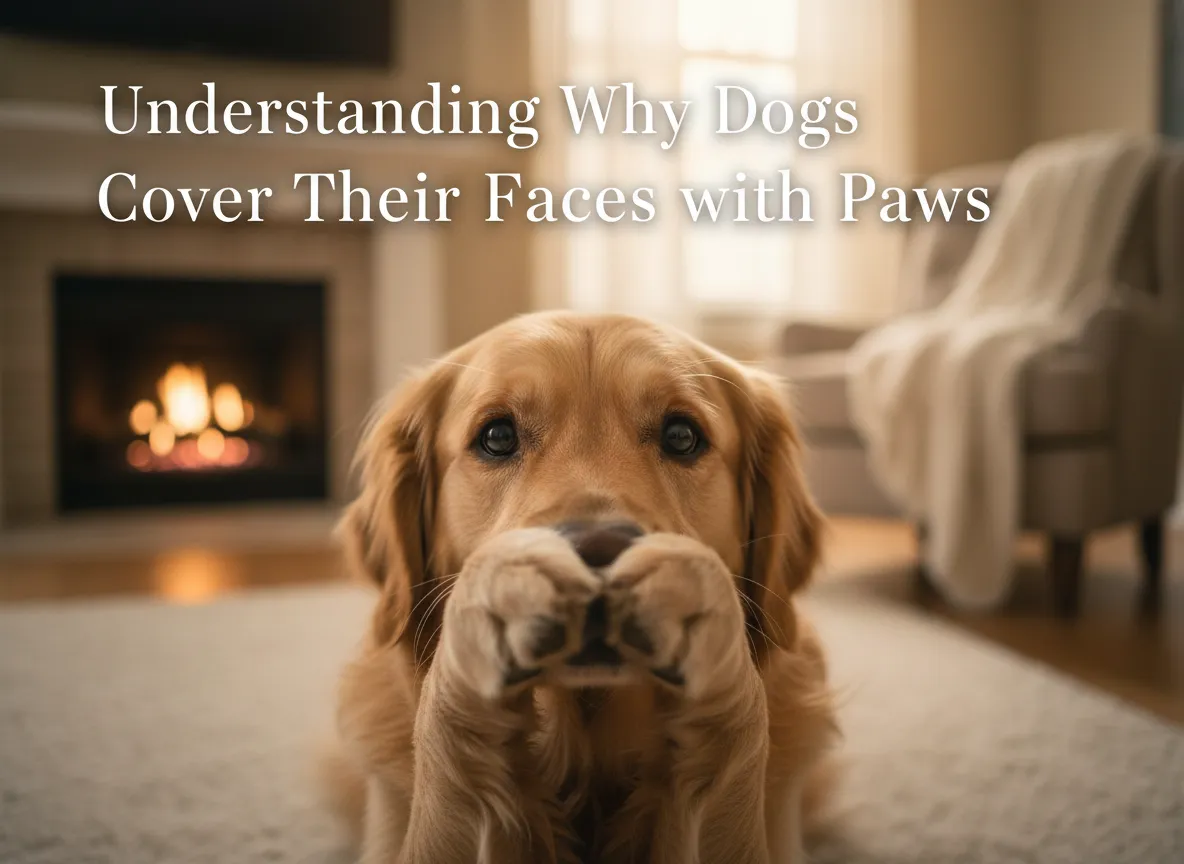
The Unseen Drama: Dogs and Their Face-Covering Habit
If you've ever witnessed your dog adorably draping a paw over their face, you might have wondered about the meaning behind this gesture. Although it often resembles a dramatic facepalm, the reasons dogs cover their faces with their paws are more varied and subtle than a simple expression of exasperation.
Dogs, in their charming ways, often use this gesture as a means of comfort. You'll likely notice it when they're resting or in the middle of a snuggle session. But, it can also happen when they are asleep, with no awareness of how endearing they appear.
The Comfort Factor
One of the primary reasons dogs cover their faces is comfort. Dogs are sensitive to light, and using a paw to shield their eyes can help them block out excess brightness, creating a more peaceful sleep environment. Additionally, dogs lose body heat through their noses, and covering their face can help retain warmth, contributing to a cozy rest experience.
This behavior can also be linked to their instincts. In the wild, canines had to protect themselves while sleeping, minimizing exposure to potential threats. Even in the safety of your home, this instinctual behavior persists, with your dog curling into a more protected posture.
Communication and Sensitivity
Beyond comfort, dogs may also use this gesture to communicate or react to changes in their environment. During cuddle time, a paw over the face might mean your dog is enjoying the affection but needs a slight retreat from the intensity of the moment. Alternatively, a shift in the room's dynamics, such as a loud noise or a sudden movement, might prompt this paw placement as a form of self-soothing.
Sometimes, dogs cover their faces due to physical irritations, such as an itch or discomfort caused by debris. It's important to monitor this behavior and consider other signs that might indicate discomfort or a need for a vet check-up.
Understanding Canine Body Language
To deepen our connection with our furry friends, it's vital to understand their body language. Dogs communicate through a range of gestures and postures, each offering insights into their emotions and needs.
Tips for Understanding Your Dog's Behavior
Observe your dog's behavior in different settings.
Provide a comfortable sleeping environment.
Consult a vet if behavior changes significantly.
Common Gestures and Their Meanings
- Tail Wagging: Often a sign of happiness, but the speed and direction can indicate different emotions.
- Ear Position: Erect ears can show alertness, while ears laid back might indicate submission or anxiety.
- Yawning: Not just a sign of tiredness, yawning can also indicate stress or discomfort.
Understanding these cues can help you respond appropriately, ensuring your dog's comfort and well-being. For a deeper dive into canine communication, check out our Dog Behavior Guide.
Practical Tips for Dog Owners
- Observe Consistently: Regular observation of your dog's behavior in various settings helps you understand their unique communication style.
- Create a Cozy Environment: Ensure your dog's sleeping area is comfortable, with dim lighting and a warm bed.
- Consult a Vet: If you notice excessive face-covering or signs of discomfort, consult a veterinarian to rule out underlying issues.
Conclusion
Understanding why dogs cover their faces with their paws enriches the bond we share with our canine companions. By interpreting this behavior, you can cater more effectively to their needs, ensuring they feel safe, comfortable, and loved. Share your own observations and stories on our blog and join our community of dog enthusiasts!
You might also like
Why Does My Dog Lean Against Me? Unpacking the Canine Lean
Jun 12, 2026
Discover why dogs lean on us, what it means for your pup's comfort and trust, and how to interpret this affectionate behavior.

6 Heartwarming Signs Your Dog Truly Trusts You
Aug 8, 2026
Discover the subtle signs that reveal your dog’s deep trust and learn how to nurture this precious bond.
Easing Storm Anxiety in Dogs: Understanding and Helping Your Pet
Jul 20, 2026
Many dogs fear thunderstorms, but understanding the reasons and solutions can help ease their anxiety.
Comments
No comments yet. Be the first to comment!
Anbefalt Hundeopplæring


Vi kan motta en provisjon hvis du kjøper gjennom disse lenkene (uten ekstra kostnad for deg).