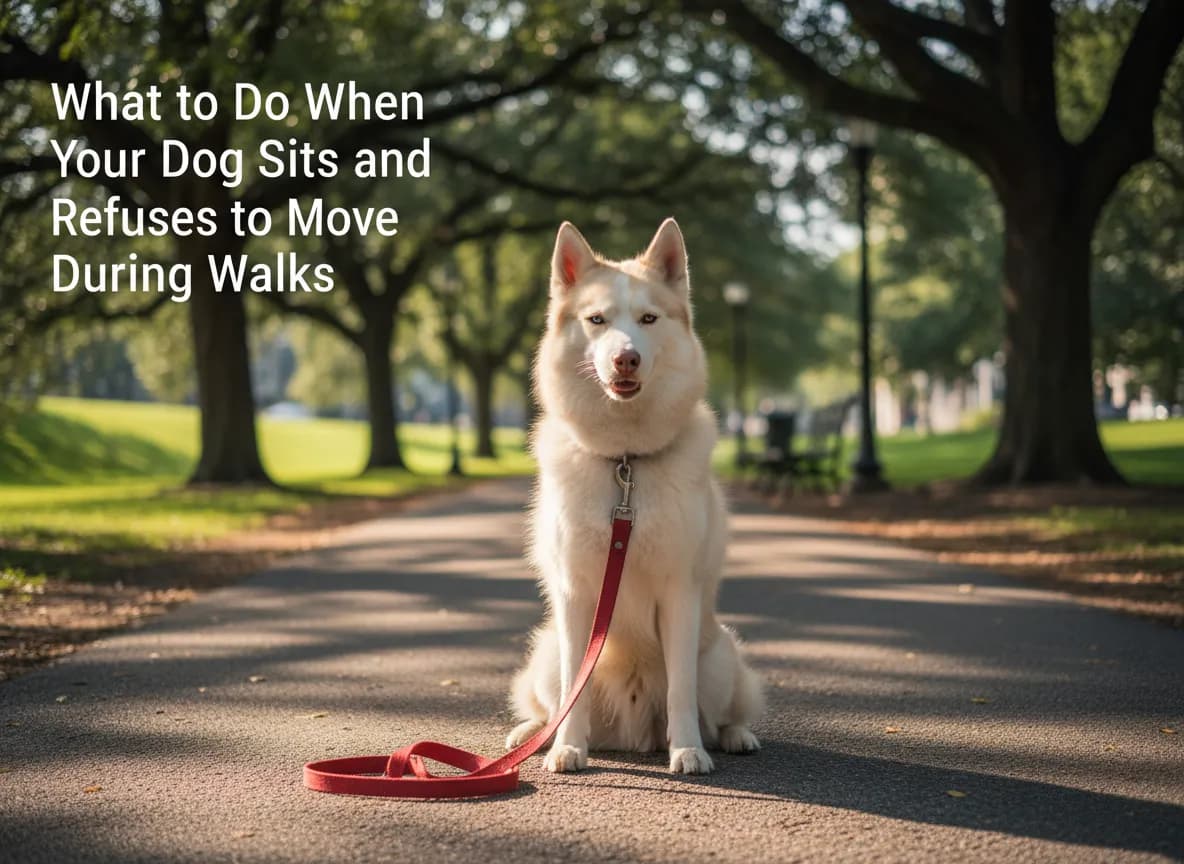
What to Do When Your Dog Sits and Refuses to Move During Walks
Introduction
Bringing a newly adopted dog into your home is a rewarding experience, filled with opportunities to bond and grow together. However, it also comes with its fair share of challenges, especially when it comes to establishing a routine. One common issue that arises is when your dog sits down and refuses to move during walks. This behavior can be puzzling and frustrating, but understanding the underlying causes and implementing effective strategies can make all the difference.
In this article, we will explore why your dog might be exhibiting this behavior and provide you with practical, actionable advice on how to encourage your furry friend to keep moving.
Understanding Why Your Dog Might Sit During Walks
Adjustment to a New Environment
A newly adopted dog might sit during walks simply because they are still adjusting to their new environment. The sights, sounds, and smells are all unfamiliar, and sitting down could be their way of processing everything.
Physical Discomfort or Fatigue
Physical discomfort such as sore paws, an ill-fitting harness, or fatigue can also cause a dog to sit down during a walk. Ensure that your dog's walking gear is comfortable and that their paws are inspected regularly for injuries or irritations.
Behavioral Causes
Dogs can also exhibit this behavior due to a lack of motivation, fear, or a desire to control the walk. Understanding your dog’s specific triggers can help address the root cause effectively.
Strategies to Encourage Movement
Positive Reinforcement
Using treats or a favorite toy to encourage forward movement can be very effective. When your dog sits down, allow them a moment to rest, then encourage them with a cheerful voice and a treat.
Quick Tips for Encouraging Movement
Use a well-fitted harness.
Bring your dog's favorite toy on walks.
Change your walking route regularly.
Reward movement with treats.
Monitor your dog's body language.
Short and Frequent Walks
If fatigue is an issue, try taking shorter but more frequent walks. This helps build your dog's stamina over time and makes the experience enjoyable rather than exhausting.
Engage Their Curiosity
Change the route and pace of your walk to engage your dog’s curiosity. New routes provide mental stimulation and can distract them from the urge to sit down.
Practical Tips
- Check the harness: Ensure that it's well-fitted and not causing discomfort.
- Inspect paws regularly: Look for cuts, blisters, or debris.
- Plan walks at cooler times: Avoid midday heat which can tire your dog out faster.
- Carry water: Keep your dog hydrated during walks.
When to See a Vet / Professional Advice
If your dog's sitting behavior persists despite trying the above strategies, it may be time to consult a veterinarian to rule out any underlying health issues. Additionally, a professional trainer can offer personalized advice and training techniques to address this behavior.
Conclusion
Helping your dog overcome the habit of sitting during walks requires patience, observation, and a bit of creativity. By understanding their needs and motivations, you can turn walks into a more enjoyable experience for both you and your pet. Remember, consistency is key, and small adjustments can lead to big changes.
For more tips on dog behavior and training, check out our Dog Behavior Guide and Training Guide. Also, consider using our Toxic Foods Checker to ensure your treats are safe!
For additional resources, you can visit PetMD for more tips on caring for newly adopted dogs.
You might also like
Why Dogs Dash Away and How You Can Prevent It
Jun 3, 2026
Discover why even well-loved dogs run away and learn practical tips to prevent such heart-stopping moments.
Why Your Dogs May Suddenly Argue and How to Restore Harmony
May 16, 2026
Explore why dogs who once got along may start having conflicts and learn effective strategies to restore peace in your home.
Helping Your Dog Manage Excited Greeter Reactivity
Mar 25, 2026
Learn effective strategies to help your dog manage reactivity during greetings and improve leash manners.
Comments
No comments yet. Be the first to comment!
Anbefalt Hundeopplæring


Vi kan motta en provisjon hvis du kjøper gjennom disse lenkene (uten ekstra kostnad for deg).