Why Does My Dog Lean Against Me? Unpacking the Canine Lean
The Story Behind the Lean
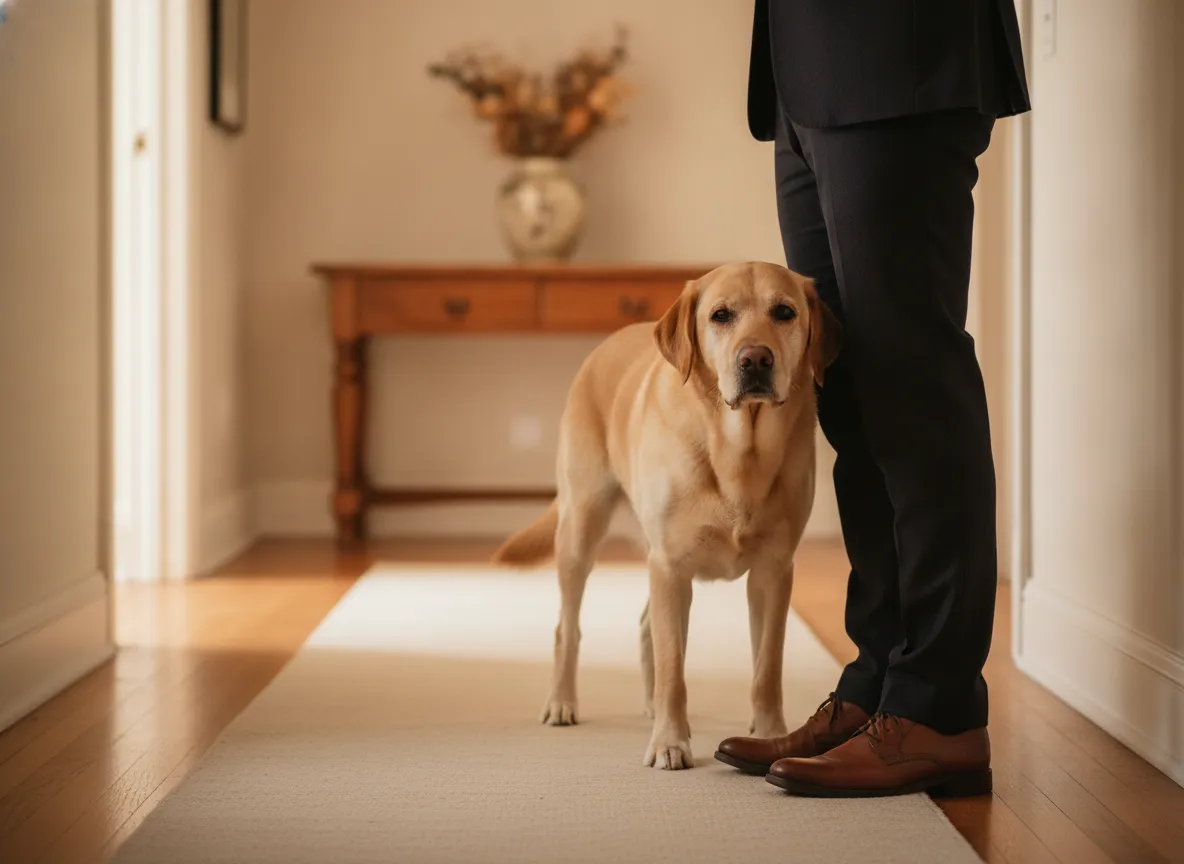
Imagine you're in the kitchen, preparing dinner, when suddenly you feel a gentle pressure against your leg. Or perhaps you’re at the dog park, and your furry friend backs into you, staying put with unwavering loyalty. This behavior, often referred to as "the lean," is a common yet deeply personal gesture among our canine companions.
What does it signify when your dog presses against you? In many cases, this is your pup's way of showing affection, trust, and emotional closeness. It's a silent, yet powerful communication of their bond with you. However, the lean can also indicate other motivations such as seeking attention, feeling anxious, or even being protective.
Understanding Canine Body Language
What Does Leaning Mean?
Leaning is a form of physical contact that is reassuring to dogs, especially from those they trust the most. When a dog presses against you, it’s often a sign they enjoy being close and feel secure in your presence. For some dogs, leaning is a way to express contentment and happiness, while for others, it's a call for comfort or reassurance.
According to ASPCA, dogs often use physical touch as a means of communication, much like how humans use words. Understanding these cues can strengthen your bond with your pet. In some breeds, like the Great Dane, leaning is a common trait due to their size and need for contact.
When Leaning Indicates More
While leaning is usually harmless, there are times when it could indicate stress or discomfort. Dogs may lean and exhibit signs like freezing, shaking, or hard staring. These can be signals that your dog is feeling overwhelmed or anxious. In such cases, understanding the context and responding appropriately is crucial. Consulting our Dog Behavior Guide can provide insights into managing such behaviors.
How to Respond to Your Dog's Lean
Tips for Better Understanding Dog Leaning
Notice the context when your dog leans.
Use leaning moments to bond with your pet.
Monitor any changes in the leaning behavior.
Encouraging Positive Leaning Behavior
- Pay Attention to Context: Notice when your dog leans. Are they relaxed or showing signs of stress? This can help you determine their needs in the moment.
- Reinforce the Bond: Use leaning moments to strengthen your bond. Pet them gently and speak softly to reassure them.
- Monitor Changes: If your dog's leaning behavior changes, consult a vet to rule out health issues. Use our Dog Age Calculator to track any age-related changes.
Practical Tips for a Happy Leaning Dog
- Observe Their Cues: Be attentive to your dog's body language. Happy leans are usually accompanied by a wagging tail or a relaxed posture.
- Create a Safe Environment: Ensure your dog feels safe and secure in their environment, which can reduce anxiety-driven leaning.
- Engage in Regular Bonding Activities: Use our Daily Bonding Regimen to maintain a strong connection with your furry friend.
Conclusion
Next time your dog leans into you, take it as a heartfelt compliment. Whether it's a gentle nudge or a full-body press, this behavior reflects their affection and trust in you. Embrace these moments as opportunities to deepen your relationship with your pet. For more insights on understanding your dog's behavior, check out PetMD.
Explore more about dog behaviors on our blog and discover how you can enhance the bond with your canine companion.
You might also like

6 Heartwarming Signs Your Dog Truly Trusts You
Aug 8, 2026
Discover the subtle signs that reveal your dog’s deep trust and learn how to nurture this precious bond.
A Heartwarming Tale of Harmony Between Two Dogs
Jul 14, 2026
Discover how a rescue dog and an older dog found peace together, and learn tips for managing multi-dog households.

Understanding Dog Loneliness: More Than Just Missing You
Jun 4, 2026
Explore the nuances of dog loneliness and learn how to support your furry friend when you're away.
Comments
No comments yet. Be the first to comment!
Anbefalt Hundeopplæring


Vi kan motta en provisjon hvis du kjøper gjennom disse lenkene (uten ekstra kostnad for deg).