Understanding Dog UTIs: Causes, Care, and Prevention Tips
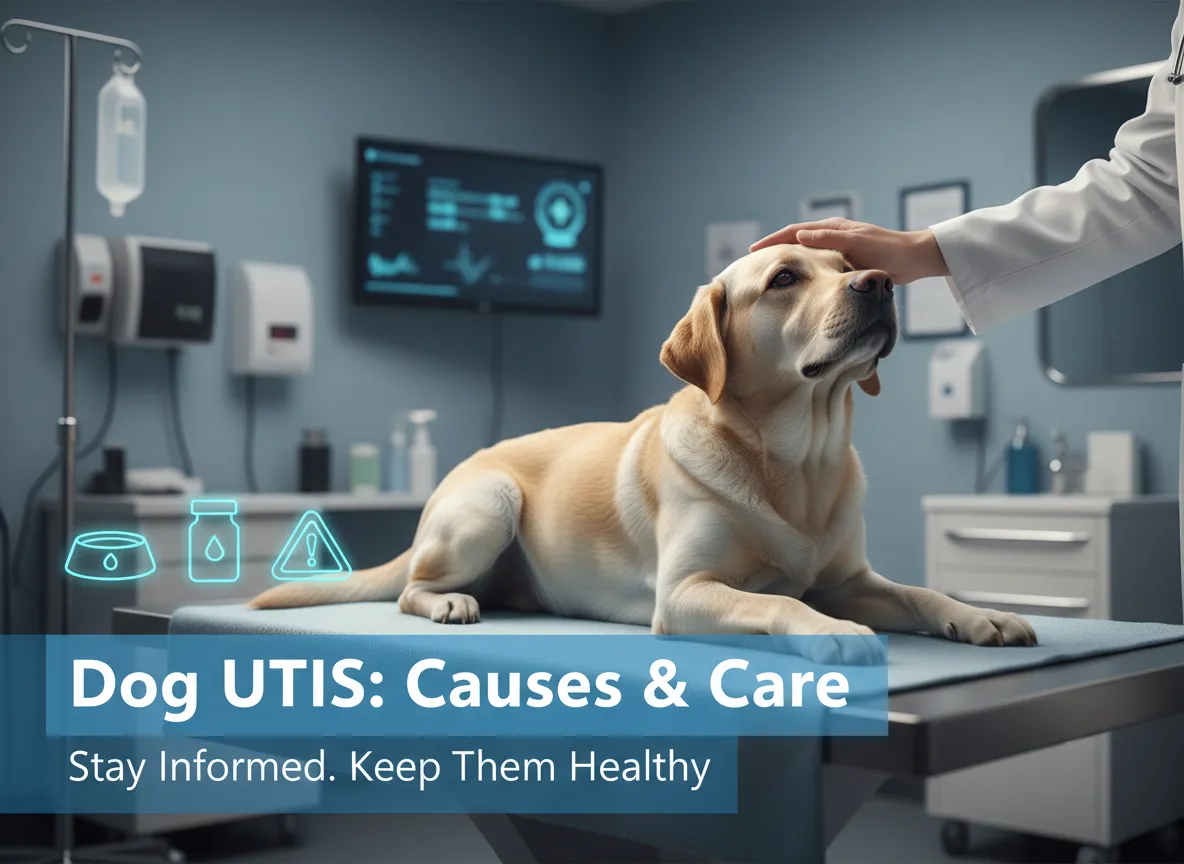
When Your Furry Friend Faces a UTI
Imagine the discomfort of a urinary tract infection (UTI) — now imagine your dog experiencing that pain without being able to express it. UTIs in dogs are more common than you might think, affecting pups of all ages and breeds. It's crucial for dog owners to recognize the signs and know how to respond.
Dogs can't tell us when they're feeling under the weather, so it's up to us to notice the subtle signs. Frequent urination, accidents in the house, and licking around the urinary opening can all be indicators that your dog might be dealing with a UTI.
What Causes UTIs in Dogs?
UTIs in dogs are often caused by bacteria entering the urinary tract. The most common culprits are E. coli and staphylococcus. These infections can come from various sources, including unclean water bowls, poor grooming habits, or underlying health issues such as diabetes or bladder stones. Sometimes, female dogs are more prone to UTIs due to their anatomy, which allows bacteria easier access to the bladder.
Recognizing the Symptoms
Understanding the symptoms of a UTI can help you seek treatment promptly. Here are some common signs:
- Frequent Urination: Increased need to urinate, often with little output.
- Accidents Indoors: Even house-trained dogs might have accidents.
- Discomfort or Pain: Whimpering or signs of pain when urinating.
- Licking: Excessive licking of the urinary opening.
If you notice any of these symptoms, it's important to consult your veterinarian. Early detection can prevent complications and ensure your furry friend's comfort.
Treatment Options
Once a UTI is confirmed, your veterinarian may prescribe antibiotics to clear up the infection. It's essential to complete the full course of medication, even if your dog seems to feel better. In some cases, switching to a special diet or increasing water intake can also help. For persistent UTIs, further testing might be needed to rule out underlying conditions.
UTI Prevention Tips
Ensure fresh, clean water is always available.
Regularly clean your dog's water bowl.
Monitor your dog’s bathroom habits for any changes.
Preventing UTIs in Dogs
While UTIs can be troubling, there are several steps you can take to reduce the risk:
- Hydration: Ensure your dog always has access to fresh, clean water.
- Hygiene: Regularly clean your dog’s water bowl and grooming tools.
- Diet: Consider a balanced diet that supports urinary health. Use our Nutrition Planner to help.
- Regular Vet Visits: Routine check-ups can catch issues before they escalate.
Practical Tips for Dog Owners
- Keep your dog's water bowl clean: Wash it daily to prevent bacterial growth.
- Monitor your dog’s bathroom habits: Sudden changes can be a sign something's wrong.
- Encourage frequent bathroom breaks: This helps flush out bacteria naturally.
For more detailed information on maintaining your dog's health, explore our Dog Behavior Guide and Training Guide.
Closing Thoughts
Understanding and preventing UTIs in dogs is vital for maintaining their overall health and happiness. By staying informed and proactive, you can ensure your furry friend leads a comfortable and healthy life. Share your experiences and tips with us on our blog — together, we can keep our pups healthy and thriving.
For further reading, check out this comprehensive guide from the AKC on dog UTIs.
You might also like
Understanding and Managing Recurrent UTIs in Dogs
Mar 16, 2026
Explore why your dog may experience recurrent UTIs and learn effective strategies for prevention and treatment.
Understanding and Caring for Your Dog's Eye Discharge
Mar 4, 2026
Learn how to manage your dog's eye discharge effectively at home while understanding its causes.
Why Dog Poop Isn't the Fertilizer You Think It Is
Jul 11, 2026
Discover why using dog poop as fertilizer is a risky idea and explore safer, more effective alternatives.
Comments
No comments yet. Be the first to comment!
Anbefalt Hundeopplæring


Vi kan motta en provisjon hvis du kjøper gjennom disse lenkene (uten ekstra kostnad for deg).