Understanding and Caring for Your Dog's Eye Discharge
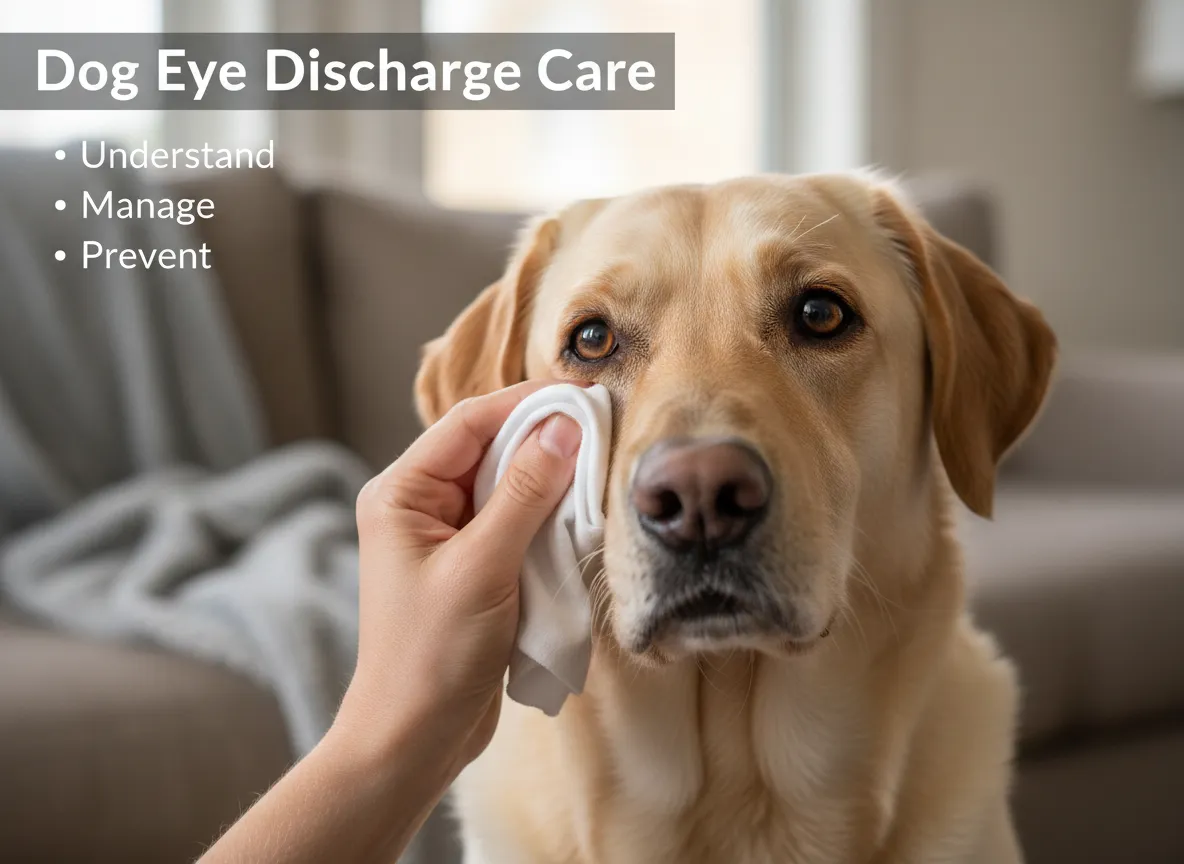
A Closer Look at Dog Eye Discharge
For many dog owners, eye discharge, or what many affectionately call 'eye boogers,' is a familiar sight. While it might seem like a minor inconvenience, this discharge can vary from a benign cosmetic issue to a symptom of something more significant. Understanding the nature of your dog's eye discharge can help you determine the best course of action.
Dogs, like their human counterparts, can have some degree of eye discharge that's completely normal. However, when the amount or color changes, it can be a sign to pay closer attention. Typically, clear or slightly white discharge isn't a major cause for concern, but if you notice colors like green or yellow, or if the discharge becomes abundant, it might be time to consult your vet.
What Causes Eye Discharge?
Common Causes
- Allergies: Just like humans, dogs can suffer from allergies that result in watery eyes. Allergens like pollen, dust, or even certain foods can trigger this response.
- Irritants: Things like smoke, perfumes, or even shampoos can irritate a dog's eyes, leading to excess discharge.
- Conjunctivitis: Also known as pink eye, this can cause redness and a thick discharge. Infections can be viral, bacterial, or due to other underlying issues.
More Serious Concerns
- Infections: Bacterial or viral infections can cause significant discharge and require prompt veterinary attention for treatment.
- Injuries: Trauma to the eye, whether from a scratch or foreign object, can lead to increased discharge.
- Breed-Specific Issues: Certain breeds, like Pugs or Bulldogs, are more prone to eye issues due to their facial structure.
How to Care for Your Dog's Eyes at Home
Tips for Managing Dog Eye Discharge
Regularly clean your dog’s eyes with a soft, damp cloth.
Use vet-approved saline solutions for gentle eye washing.
Monitor for any changes in discharge color or volume.
Simple Home Remedies
- Gentle Cleaning: Use a soft, damp cloth to gently wipe away discharge. Avoid using anything that might irritate the eye further.
- Saline Rinse: A saline solution can help wash out irritants. Be sure to use a vet-approved product or make a mild saline solution at home.
When to Seek Professional Help
If you notice persistent discharge, changes in your dog's vision, or signs of pain, it's time to visit the vet. They can perform a thorough examination and provide the necessary treatments, which might include antibiotics or other medications.
Practical Tips for Managing Eye Discharge
- Regularly check your dog's eyes for any changes in discharge color or volume.
- Keep your dog's face clean, especially if they are prone to tear staining.
- Consider using a Nutrition Planner to ensure your dog's diet isn't contributing to allergies.
- Utilize our Dog Behavior Guide if stress or anxiety seems to be worsening the issue.
Final Thoughts
Caring for your dog's eyes is an essential part of their overall health. With a little attention and care, you can help prevent minor issues from becoming major problems. Share your experiences and tips in the comments below, and let us know what works best for your furry friend!
For more detailed information on eye health, visit PetMD.
You might also like

Understanding and Managing Recurrent UTIs in Dogs
Mar 16, 2026
Explore why your dog may experience recurrent UTIs and learn effective strategies for prevention and treatment.
Understanding Dog UTIs: Causes, Care, and Prevention Tips
Mar 5, 2026
Explore the causes, symptoms, and treatment of dog UTIs. Learn preventative measures and tips to keep your pup healthy.
Why Dog Poop Isn't the Fertilizer You Think It Is
Jul 11, 2026
Discover why using dog poop as fertilizer is a risky idea and explore safer, more effective alternatives.
Comments
No comments yet. Be the first to comment!
Anbefalt Hundeopplæring


Vi kan motta en provisjon hvis du kjøper gjennom disse lenkene (uten ekstra kostnad for deg).