Essential Dog First Aid Kits: Be Prepared for Pet Adventures
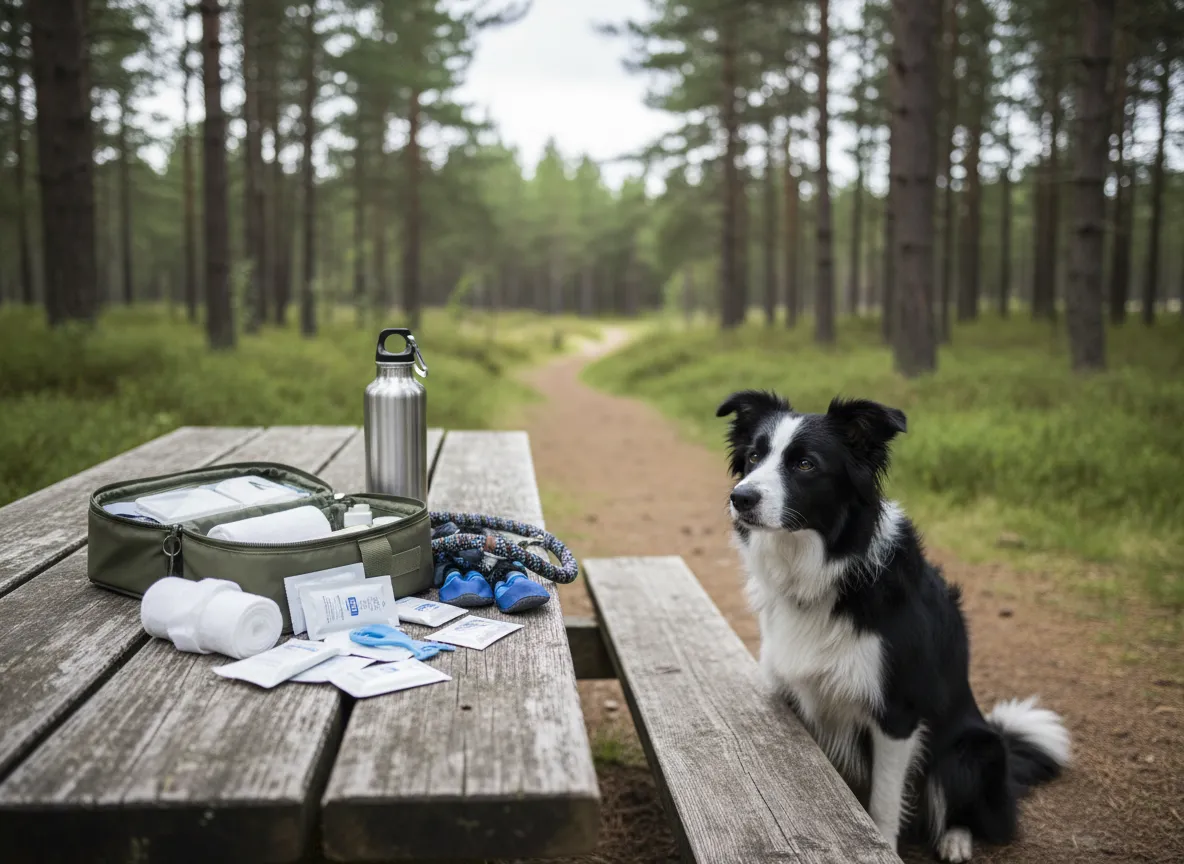
Why Every Dog Owner Needs a First Aid Kit
As dog lovers, we know that life with our furry friends is full of adventures. Whether it's a romp through the woods or a day at the beach, our dogs are always up for a good time. However, with great adventure comes the occasional mishap. Having a reliable dog first aid kit can turn a potential emergency into a manageable situation.
Active dogs, in particular, are prone to minor injuries such as paw pad scrapes, broken nails, and even eye irritations. These common issues can be quickly addressed if you're equipped with the right tools. A well-stocked first aid kit is not just a precaution; it's a necessity for responsible pet ownership.
What Should Be in a Dog First Aid Kit?
Basic Components
Your dog’s first aid kit should be as comprehensive as possible. Essential items include:
- Bandages and Gauze: For wrapping wounds or securing splints.
- Antiseptic Wipes or Solution: To clean wounds and prevent infections.
- Tweezers: Useful for removing splinters or ticks.
- Eye Wash: To rinse out irritants or debris from your dog’s eyes.
- Thermometer: To monitor your pet’s temperature if they seem unwell.
Specialized Items
Depending on your dog’s lifestyle, you might also consider adding:
- Booties: To protect injured paws or prevent further damage.
- Hydrogen Peroxide: Useful for inducing vomiting if your dog ingests something toxic. (Always consult your vet first!)
- Muzzle: In case your dog is in pain and might react defensively.
For more on dog care, check out our Dog Behavior Guide and Training Guide.
How to Use a Dog First Aid Kit
Quick Tips for Dog First Aid
Keep your kit accessible at home and during outings.
Regularly check and restock your first aid supplies.
Learn basic first aid techniques through workshops or guides.
Quick Assessments
In an emergency, staying calm is crucial. Assess the situation and determine the severity of the injury. For minor cuts or scrapes, cleaning and bandaging might be sufficient. For more severe injuries, seek veterinary care immediately.
First Aid Techniques
- Cleaning Wounds: Use antiseptic wipes to gently clean around the wound. Avoid using alcohol, which can sting and irritate.
- Bandaging: Secure gauze with tape, ensuring it's snug but not too tight, to allow for circulation.
- Eye Irritation: Use eye wash to flush out any debris gently.
For more detailed guidance, our Toxic Foods Checker and Nutrition Planner can help you avoid common hazards.
Practical Tips for Dog Safety
- Regular Checks: Routinely check your dog’s paws and coat for signs of injury or foreign objects.
- Training: Teach basic commands like "stay" and "come" to prevent accidents in risky areas.
- Preparedness: Keep your first aid kit accessible at home and during outings.
Conclusion
Being prepared with a dog first aid kit is a small step that can make a big difference in your pet's health and safety. It's about being ready for the unexpected and ensuring your furry friend gets the best care possible, no matter the situation. Share your own first aid tips with us in the comments or explore more on our blog!
For further reading, visit AKC's First Aid Guide for dogs.
You might also like
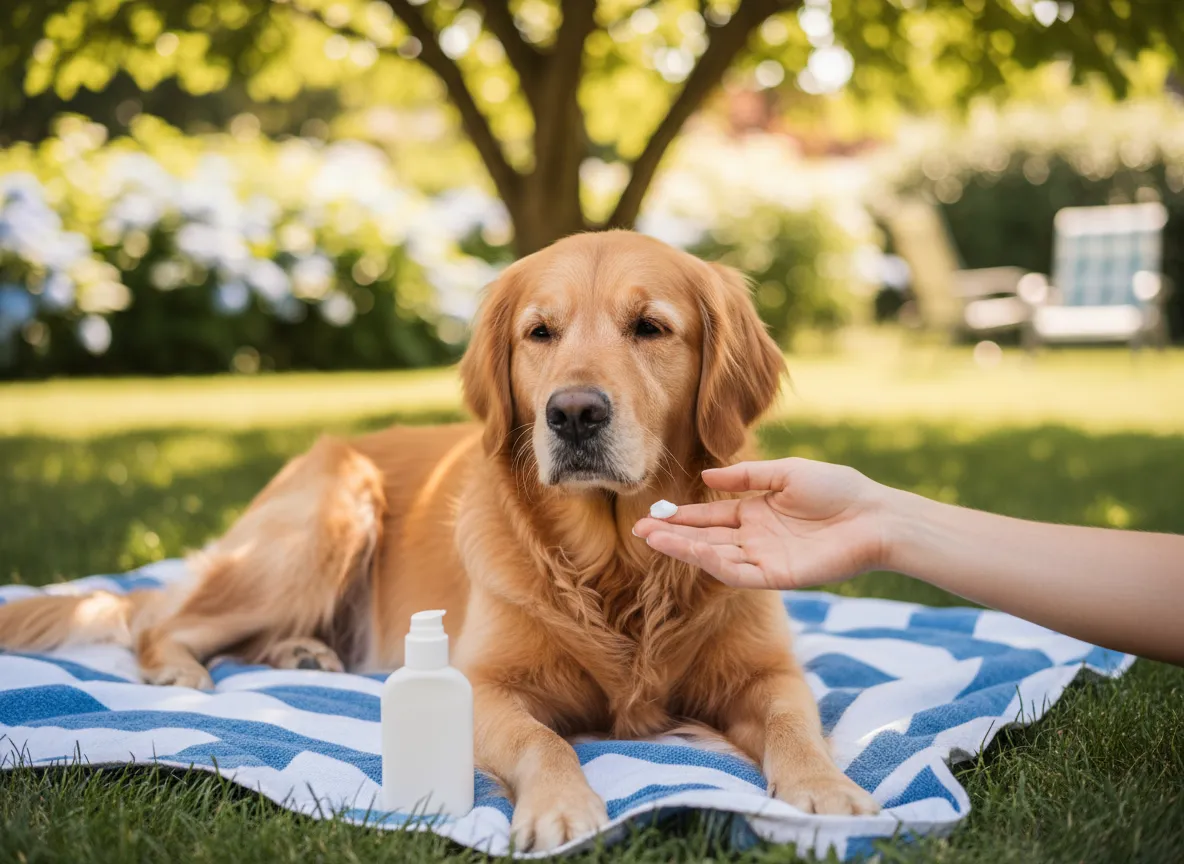
Protecting Pooches: The Ultimate Guide to Dog Sunscreen
Jun 9, 2026
Learn why sunscreen is essential for dogs, the best types available, and how to apply it safely for your furry friend.
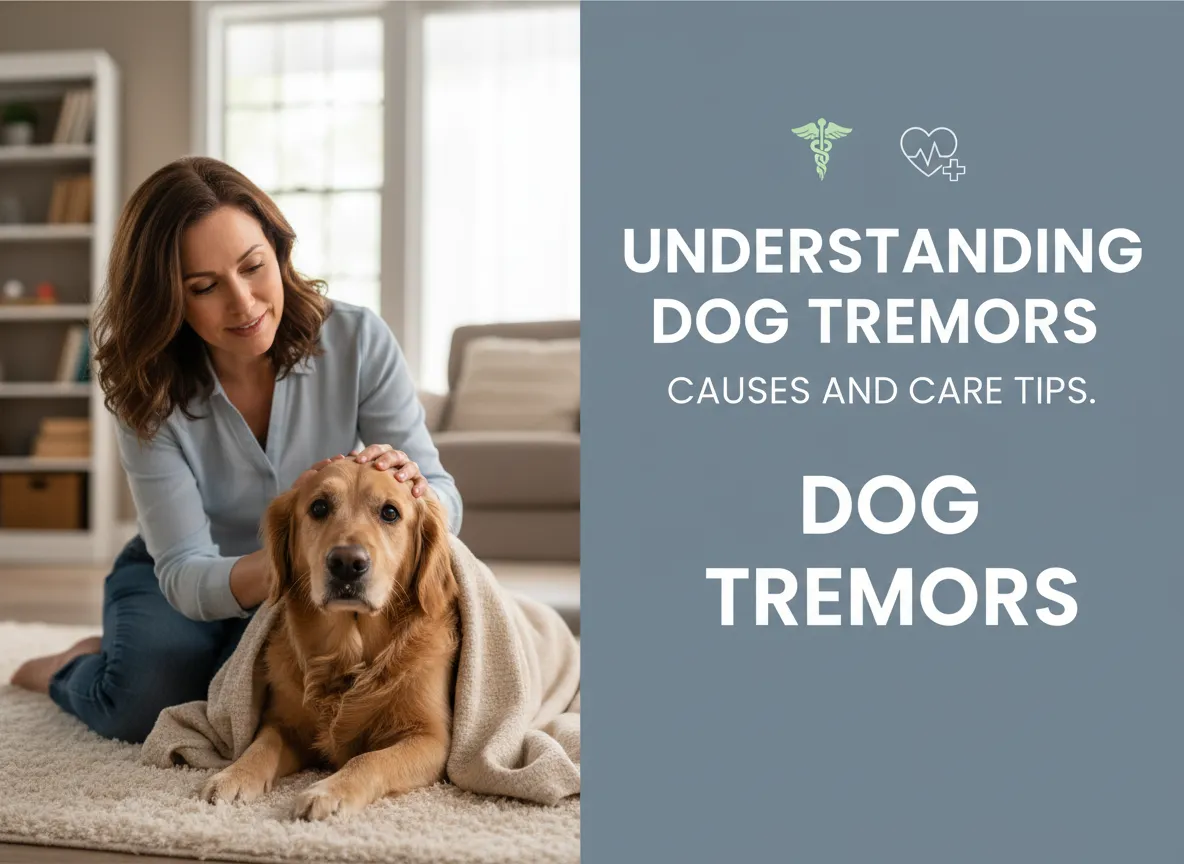
Understanding Dog Tremors: Causes and Care Tips
Mar 2, 2026
Discover why your dog might experience tremors and how to effectively address this issue for their well-being.

Understanding Restlessness in Dogs: A Sign of Pain?
Jul 8, 2026
Restlessness in dogs might indicate pain. Learn the signs and how to help your furry friend find comfort.
Comments
No comments yet. Be the first to comment!
Anbefalt Hundeopplæring


Vi kan motta en provisjon hvis du kjøper gjennom disse lenkene (uten ekstra kostnad for deg).