Understanding Dog and Baby Body Language for Safe Interactions
Introduction
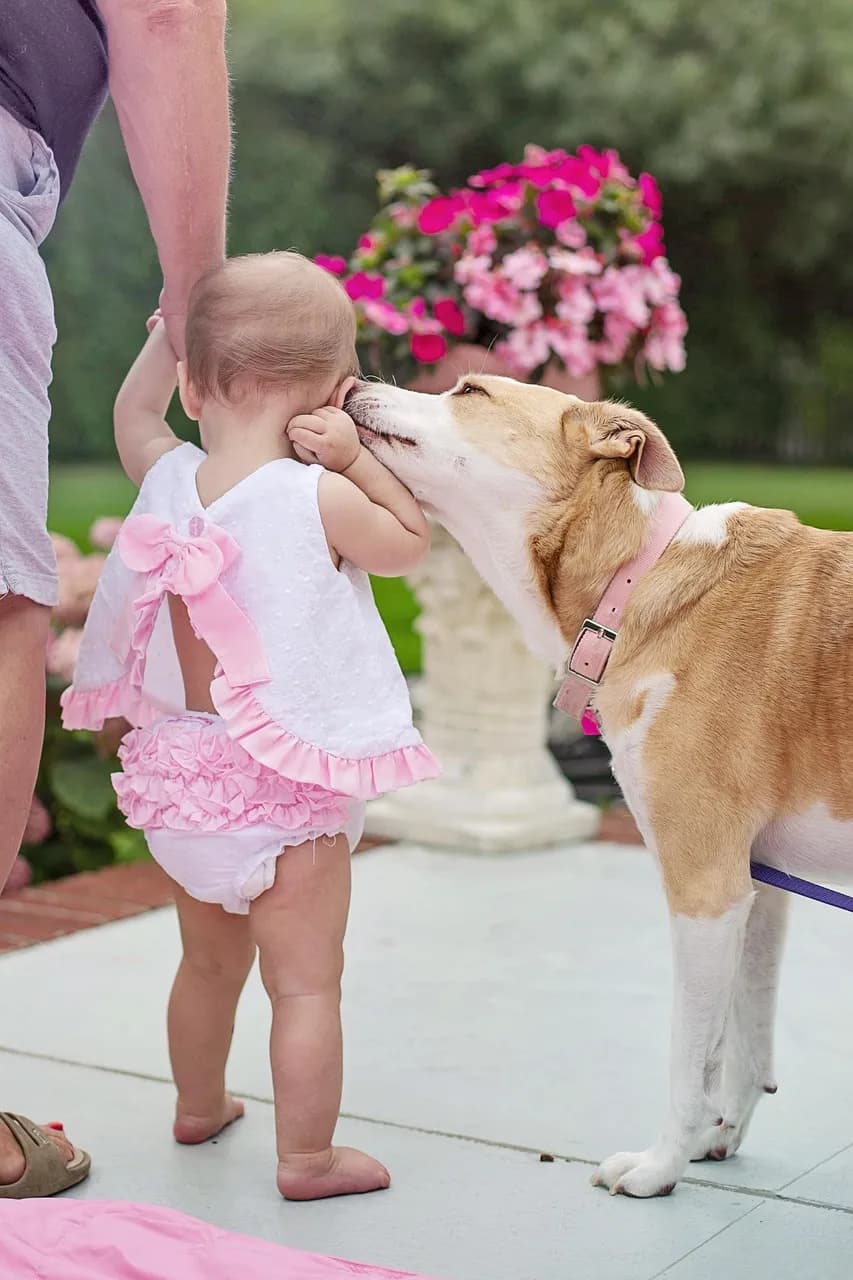
Bringing a new baby into a household with a dog can be a joyous yet challenging experience. Understanding the body language between your dog and baby is crucial to ensure safe and harmonious interactions. By learning to read the subtle cues both dogs and babies give, you can foster a loving relationship between them.
In this article, we'll explore how to interpret these signals, offer tips to promote positive interactions, and provide guidance on when professional help might be required. Let's ensure your home remains a safe and happy place for all its inhabitants.
Understanding Dog Body Language
Dogs communicate a lot through their body language. Recognizing these signals can help you understand how your dog feels about the new baby.
- Tail Wagging: While a wagging tail often signifies happiness, it's important to look at the speed and height. A high, stiff wag might indicate excitement or agitation, whereas a relaxed wag suggests contentment.
- Ears and Eyes: Ears that are pinned back or forward can indicate stress or alertness. Soft eyes mean your dog is relaxed, but wide, hard eyes could be a sign of discomfort.
- Body Posture: A relaxed body posture is a good sign. If your dog is tense or cowering, it might be uncertain or fearful.
Using resources like our Dog Behavior Guide can provide further insights into interpreting these behaviors.
Reading Baby Body Language
Babies communicate without words, and understanding their signals can help you manage interactions with your dog.
- Crying and Coos: Babies use cries and coos to express needs. Pay attention to how your dog responds to these sounds; it can provide clues about their comfort level.
- Movement and Touch: Babies explore with their hands. Ensure their movements are gentle to avoid startling your dog. Teach your baby to pet softly as they grow.
The Daily Bonding Regimen can help create a routine that encourages safe interaction between your dog and baby.
Promoting Positive Interactions
Creating a positive environment where both your dog and baby feel safe is essential. Here are some strategies:
- Supervised Introduction: Always supervise initial interactions. Allow your dog to sniff the baby, and reward calm behavior with treats or praise.
- Safe Spaces: Ensure your dog has a quiet retreat where it can escape if overwhelmed. This might be a crate or a separate room.
- Routine and Boundaries: Maintain your dog's routine to provide stability. Teach your baby boundaries as they grow, ensuring they respect your dog’s space.
Explore our Training Guide for more tips on establishing good habits and boundaries.
Practical Tips
- Practice Positive Reinforcement: Reward your dog for calm and gentle interactions.
- Monitor Their Mood: Keep an eye on your dog's body language for any signs of stress.
- Educate the Family: Teach all family members to recognize and respect both dog and baby signals.
- Use Tools: Utilize our Toxic Foods Checker to ensure safe treats are used.
When to See a Vet / Professional Advice
If your dog shows persistent signs of stress or aggression, consult a professional dog trainer or a veterinarian. They can provide targeted advice and solutions tailored to your situation.
Conclusion
By understanding and respecting the body language of both your dog and baby, you can ensure a safe and loving environment for them to grow together. Encourage positive interactions through supervision, routine, and education. Visit our blog for more insights on nurturing the bond between your dog and baby.
For further reading, consider exploring resources from the American Kennel Club.
You might also like
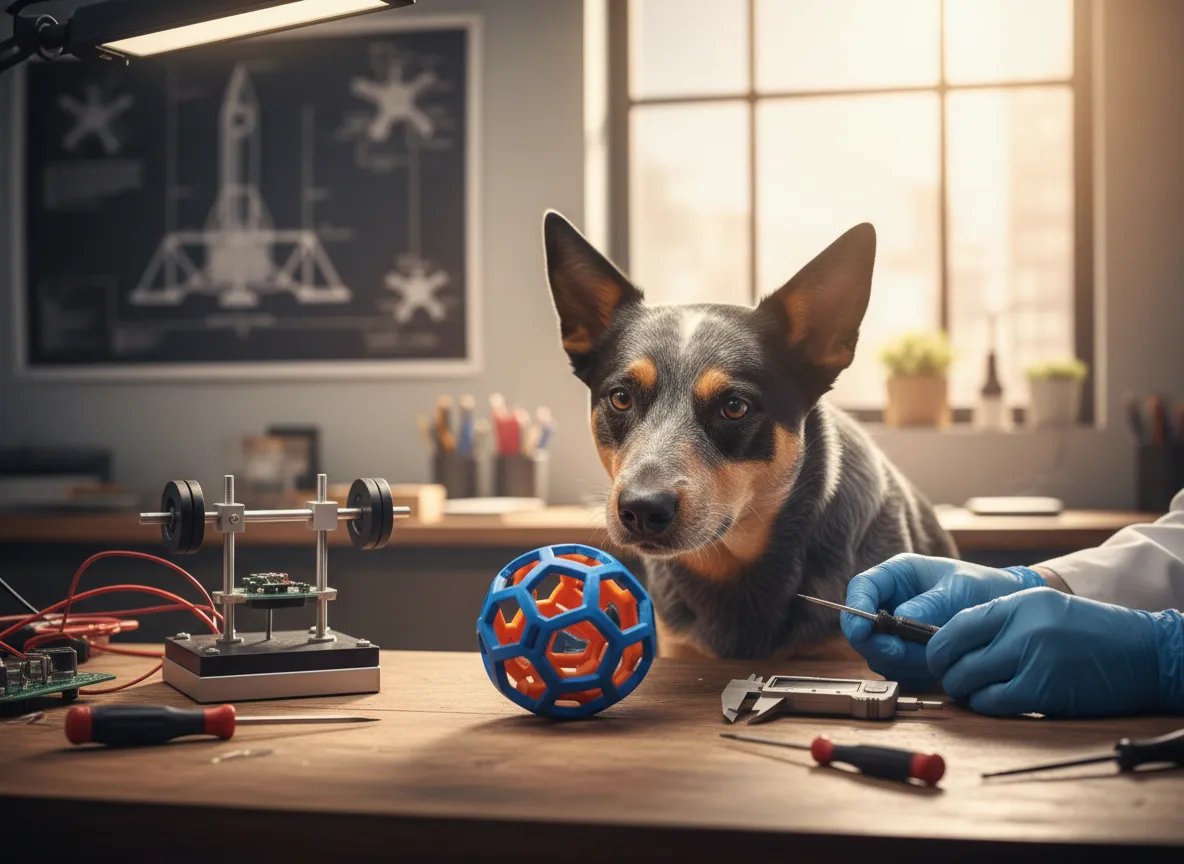
From Space Rockets to Dog Toys: A Scientist's Journey of Innovation
Aug 22, 2026
Discover how a NASA scientist's passion for dogs led to the creation of a safer, innovative dog toy.
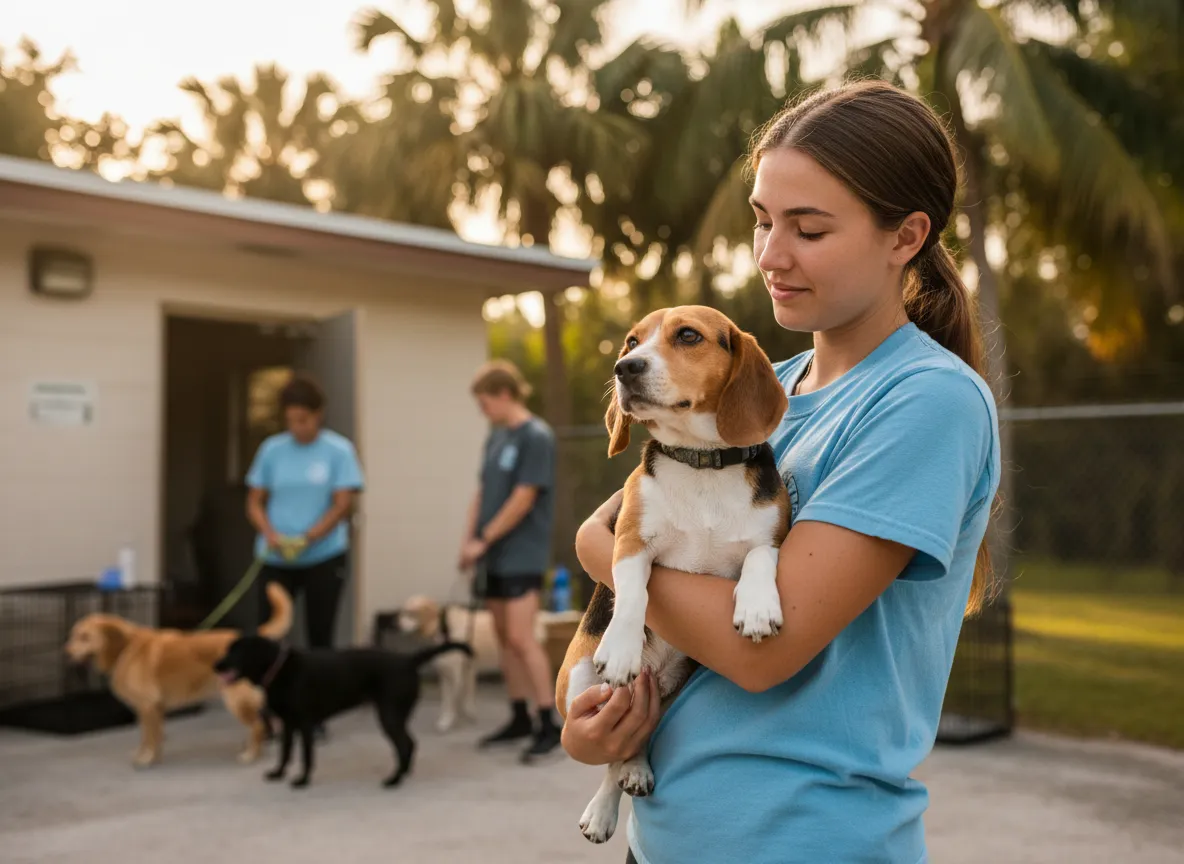
Community Rally Saves 74 Dogs: A Heartfelt Rescue in Florida
Jul 23, 2026
A Florida rescue mission saves 74 dogs, showcasing the power of community and compassion in animal welfare.
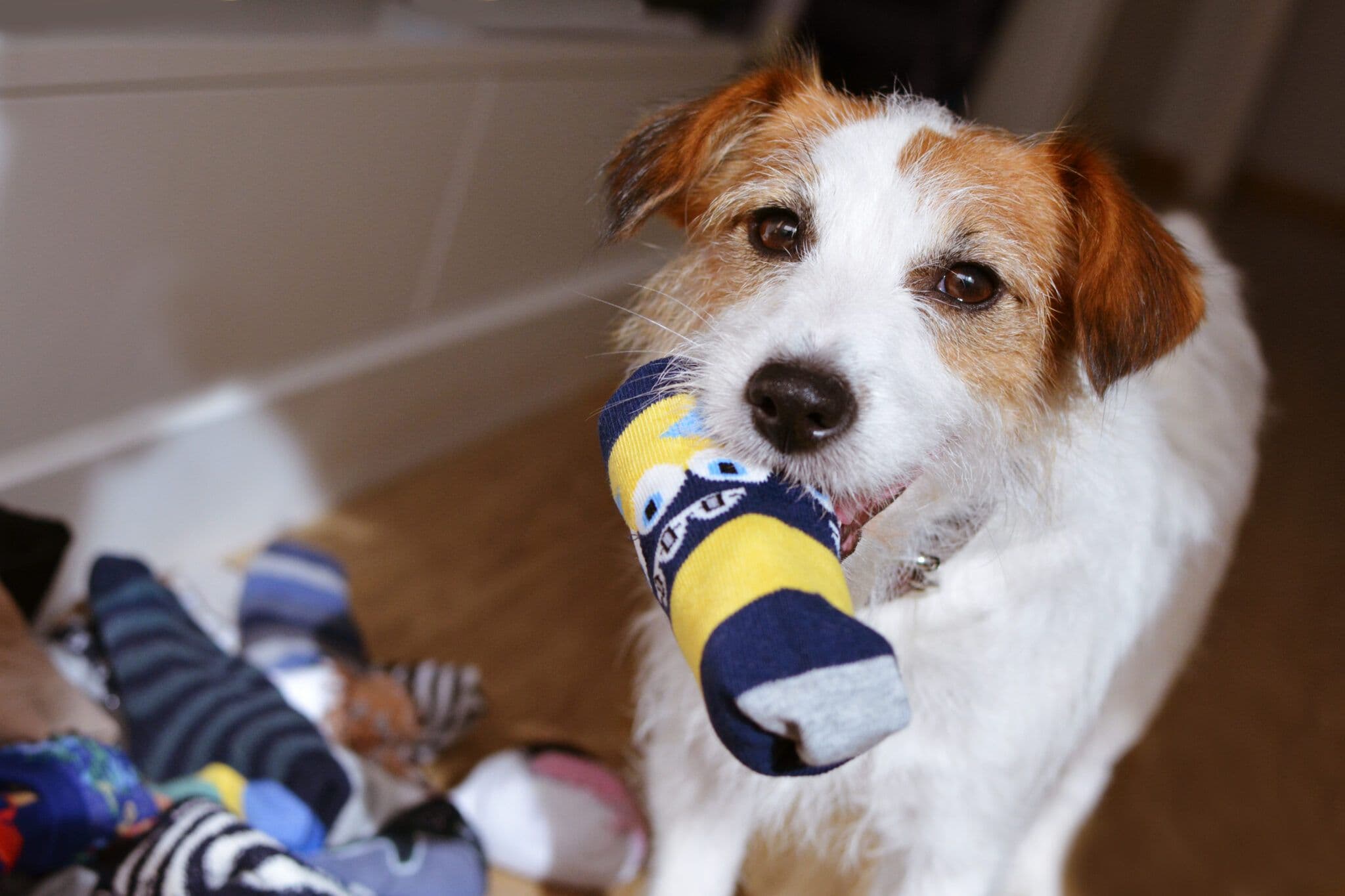
Crafting Joy: Make Your Own Dog Toys at Home
Jun 27, 2026
Discover how to create fun, safe DIY dog toys that cater to your pet’s unique play style, using household items and a bit of creativity.
Comments
No comments yet. Be the first to comment!
Anbefalt Hundeopplæring


Vi kan motta en provisjon hvis du kjøper gjennom disse lenkene (uten ekstra kostnad for deg).