Understanding Regression in Your 8-Month-Old Puppy
Introduction
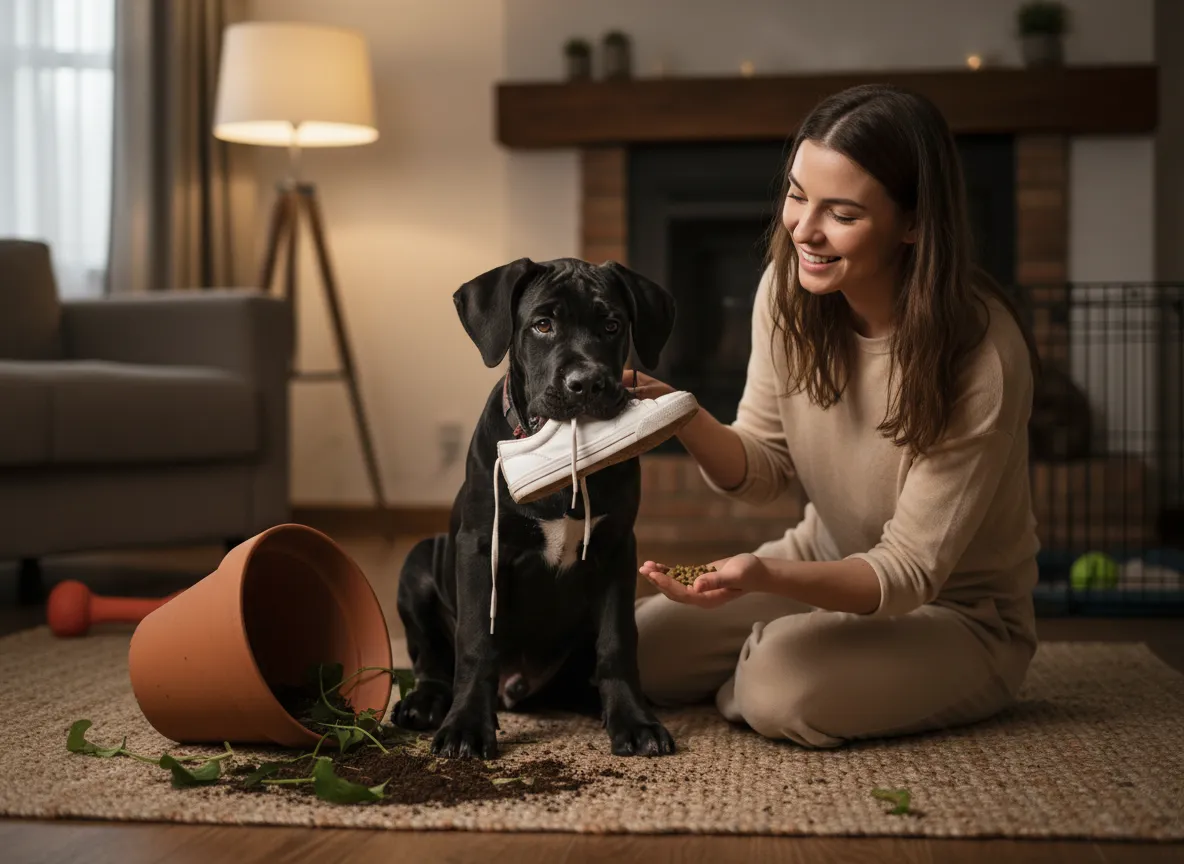
Bringing a new puppy into your home is a journey filled with joy, challenges, and learning opportunities. While the early months often come with rapid progress in training and behavior, it's not uncommon for 8-month-old puppies to experience a phase of regression. This can be puzzling, especially for owners who have seen significant improvement in their puppy's behavior. Understanding this regression can help you navigate it more effectively and maintain harmony in your home.
Why Do Puppies Regress?
Puppies may regress for a variety of reasons, often linked to developmental changes, environmental influences, or unmet needs. At around 8 months, dogs enter adolescence, a period marked by hormonal changes that can affect their behavior. This stage is akin to teenage years in humans, where newfound independence and curiosity may lead to testing boundaries.
Developmental Changes
Just like humans, dogs undergo significant physical and mental development during their adolescent phase. These changes can affect their behavior, leading to temporary setbacks in training. It's crucial to understand that this is a normal part of a puppy's growth.
Environmental Influences
Changes in routine, environment, or family dynamics can trigger regression. If you recently started leaving your puppy alone more frequently, they might react by regressing in their behavior. Puppies are sensitive to changes and require time and reassurance to adjust.
Unmet Needs
Puppies need physical exercise, mental stimulation, and social interaction to thrive. A lack of these elements can lead to boredom and anxiety, which may manifest as destructive behavior or accidents in the house. Using our Daily Bonding Regimen can help ensure your puppy's needs are met.
Practical Tips to Manage Regression
Dealing with regression requires patience and a proactive approach. Here are some practical tips you can apply immediately:
- Reassess Your Routine: Make sure your puppy's daily routine includes adequate exercise, playtime, and training. Regular walks and interactive play help burn off excess energy.
- Crate Training: Crate training can offer your puppy a safe space to relax. Make sure they associate the crate with positive experiences, using treats and toys.
- Consistency is Key: Maintain consistency in commands and responses to your puppy's behavior. Reinforce positive behavior with praise and rewards.
- Increase Mental Stimulation: Introduce puzzle toys or training exercises that challenge your puppy's mind. This can help reduce boredom and prevent destructive behaviors.
- Socialization Opportunities: Ensure your puppy continues to have socialization opportunities with other dogs and people. This can help them learn appropriate behavior in different situations.
When to See a Vet
If your puppy's regression is severe or accompanied by signs of illness, consult a veterinarian. Sudden behavioral changes can sometimes indicate underlying health issues. A vet can rule out medical causes and provide guidance on managing behavioral concerns.
Conclusion
Understanding that regression is a normal part of puppy development can help you manage this phase with patience and care. By focusing on your puppy's needs and maintaining a consistent routine, you can navigate this temporary setback effectively. For more guidance on behavior management, visit our Dog Behavior Guide.
For additional insights, you might find useful information on PetMD about adolescent puppies and their care.
You might also like

Understanding Why Older Dogs May Not Correct Puppies
Mar 7, 2026
Explore reasons why some older dogs don't correct puppies and learn practical steps to ensure harmonious interactions.

Should You Co-Sleep with Your 8-Week-Old Puppy?
Feb 4, 2026
Deciding to co-sleep with your puppy? Understand the pros, cons, and practical tips to make the best choice for you and your pup.

Overcoming Puppy Turmoil: Finding Calm After Chaos
Feb 3, 2026
Navigating puppy stress can be overwhelming, but with patience and the right approach, it gets easier. Discover key strategies for calm.
Comments
No comments yet. Be the first to comment!
Anbefalt Hundeopplæring


Vi kan motta en provisjon hvis du kjøper gjennom disse lenkene (uten ekstra kostnad for deg).