Understanding Canine Conversations: A Guide to Dog Communication
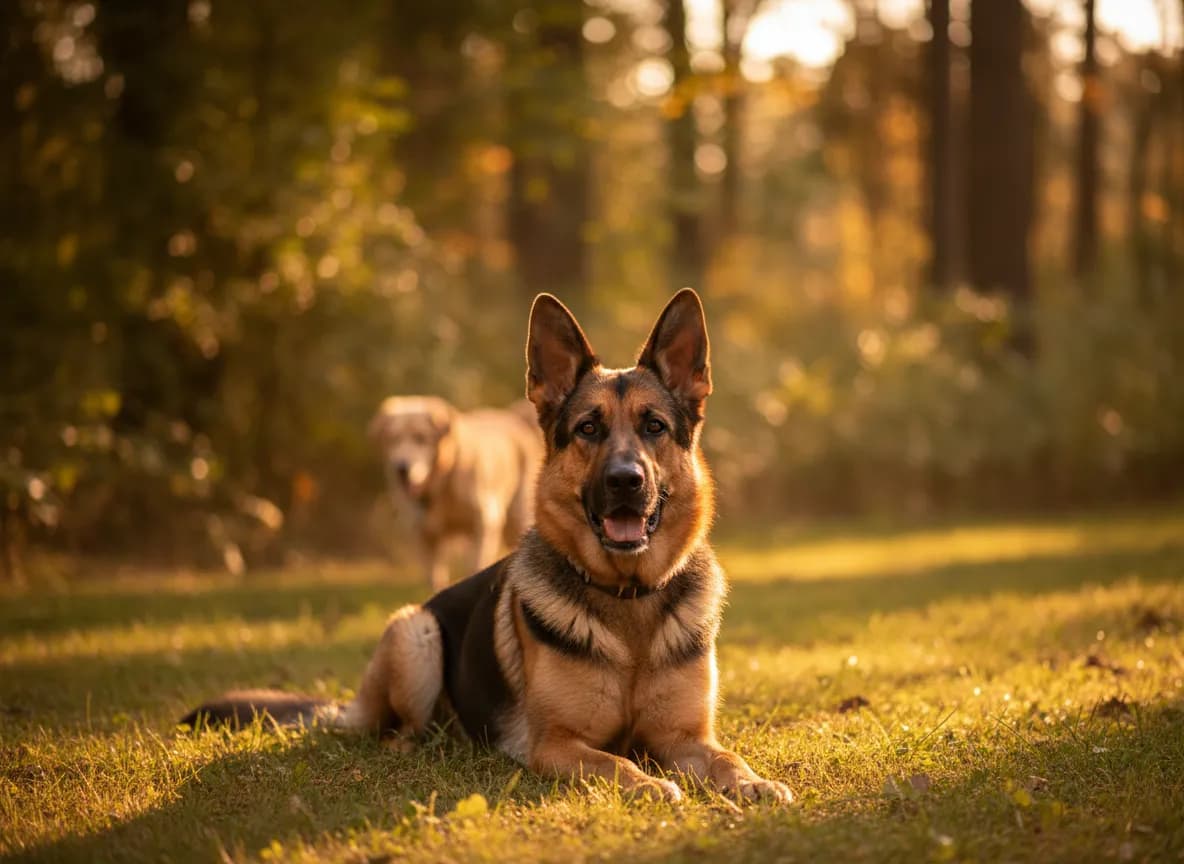
The Intricacies of Canine Communication
Next time you observe two dogs at play, consider the complexity behind their interaction. What appears to be a casual sniff or wag of the tail is actually a complex dialogue. This communication occurs through body language, facial expressions, vocal signals, and even scent, creating a rich tapestry of interaction.
Understanding these signals not only enriches your relationship with your dog but also empowers you to become a more effective advocate for their well-being. Recognizing when a canine interaction requires intervention ensures safer and more enjoyable experiences for all parties involved.
Decoding Dog Body Language
Posture and Movement
A dog's posture can reveal a lot about their emotional state. A relaxed dog will exhibit fluid movements with an even weight distribution, signaling confidence and comfort. Conversely, a dog trying to assert dominance may stand tall and lean forward. On the other hand, a dog that feels threatened might lower their body or roll onto their side to show submission.
The Play Bow
One of the most universal signals in dog language is the play bow—front legs lowered, rear end elevated. This gesture signifies an invitation to play and can also serve as a way to defuse tensions when play becomes too rough.
Tail Position and Movement
The position and motion of a dog's tail offer insight into their feelings. A high, rapidly wagging tail often indicates excitement and confidence. However, not all wagging is friendly—a tightly held tail can signal fear. The direction of the wag matters too, with right-sided wags linked to positive emotions and left-sided wags to negative ones.
Ear Position
Ears provide clues to a dog's mood. Forward-facing ears show alertness, while ears pinned back suggest fear or submission. Ears held back or relaxed indicate a calm state. It's important to note that ear positions can vary depending on the dog's breed and ear type.
The Role of Calming Signals
The concept of calming signals was popularized by Norwegian dog trainer Turid Rugaas. These signals are behaviors dogs use to convey peaceful intentions and reduce stress. Common calming signals include yawning, lip-licking, turning away, and slow blinking. Explore our Dog Behavior Guide for more on interpreting these signals.
Practical Tips for Dog Owners
- Observe and Learn: Spend time watching your dog interact with others to become familiar with their unique communication style.
- Educate Yourself: Use resources like our Training Guide to deepen your understanding of canine behavior.
- Stay Calm: Projecting calmness can soothe your dog and help them feel more secure in social situations.
Tips for Understanding Dog Communication
Spend time observing your dog's interactions.
Learn about different breeds' communication styles.
Stay calm and project a peaceful demeanor.
Conclusion
By understanding how dogs communicate, you unlock a new level of connection with your furry companion. This knowledge not only enhances your mutual bond but also allows you to advocate for your dog's needs effectively. For more insights, visit our blog and continue exploring the world of canine communication.
For further reading, check out this article from the AKC.
You might also like

Why Dogs Patiently Wait for Their Humans
Aug 11, 2026
Discover why your dog is always at your side and learn the heartwarming reasons behind their loyal waiting.

Magnificent 'M' Names: Why They're Paw-sitively Perfect for Dogs
Apr 23, 2026
Explore why 'M' names are a top choice for dogs and discover how to pick the perfect one that resonates with your furry friend.

Exploring Cesar Millan's Legacy: Insights from a Dog Whisperer
Mar 5, 2026
Dive into Cesar Millan's dog training legacy and philosophy. Learn about his methods and their impact on dog training today.
Comments
No comments yet. Be the first to comment!
Anbefalt Hundeopplæring


Vi kan motta en provisjon hvis du kjøper gjennom disse lenkene (uten ekstra kostnad for deg).