Mastering the Step-in Harness: A Guide for Happy Walks

A Walking Companion: The Step-in Harness
Taking your dog out for a walk is a cherished routine for many pet owners. Yet, for some, the most daunting task can be getting the harness on their eager pup. Enter the step-in harness—a practical and comfortable solution that enhances control, reduces pulling, and ensures your dog's safety by distributing pressure evenly across their body.
Step-in harnesses are particularly appreciated for their simplicity. You lay the harness on the ground, invite your dog to step in, and fasten it securely over their back. This style is particularly beneficial for dogs that are sensitive about having things put over their heads, as well as those with neck issues or breathing difficulties.
Step-in harnesses are a boon for small dogs and those who may be anxious about grooming, as they avoid the need for head involvement and provide a calming fit.
## The Benefits of Step-in Harnesses
Safety and Control
A well-fitted harness provides better control during walks, minimizing the risk of injury that can occur with traditional collars. The design of step-in harnesses distributes pressure across the body rather than focusing it on the neck, making it a safer choice for dogs with neck or trachea concerns.
Comfort and Ease
Many dogs find step-in harnesses more comfortable than traditional ones. Since they avoid the head and neck, dogs who dislike having things put over their ears often respond better to this harness type. For dogs with sensitive skin, opting for a padded harness can prevent chafing.
Versatility
Step-in harnesses come in various styles, allowing pet owners to select one that best suits their dog’s needs. Whether you prefer a simple strap design or a more comprehensive fabric option, there’s a harness out there for every dog.
Tips for Introducing a Step-in Harness
Let your dog sniff the harness before using it.
Use treats to reward calm behavior during fitting.
Practice patience and repeat the process calmly.
## Choosing the Right Step-in Harness
When selecting a step-in harness, consider these key factors:
- Adjustability and Fit: Look for harnesses that offer adjustable straps to ensure a snug fit. Proper fit is crucial for safety and comfort.
- Material Durability: Choose harnesses made of strong, durable materials. Nylon webbing is common and provides a reliable choice for most dogs.
- Leash Attachments: Consider the placement of leash attachments. For dogs that pull, a front-of-chest attachment may be preferable.
For more guidance on selecting the perfect harness, explore our Training Guide and Product Research tools.
## Practical Tips for Harness Training
- Introduce the harness gradually, allowing your dog to sniff and explore it before attempting to put it on.
- Reward your dog with treats and praise as they step into the harness to create a positive association.
- Practice patience, especially if your dog is new to harnesses.
Bringing Your Walks to Life
Embracing the use of a step-in harness can transform your walking experience, making it more enjoyable for both you and your dog. By selecting the right harness and following our training tips, you'll ensure that every walk is a highlight of your day.
For more tips on enhancing your bond with your dog, check out our Daily Bonding Regimen. Happy walking!
For further reading on the benefits of harnesses, visit PetMD.
You might also like

6 Heartwarming Signs Your Dog Truly Trusts You
Aug 8, 2026
Discover the subtle signs that reveal your dog’s deep trust and learn how to nurture this precious bond.
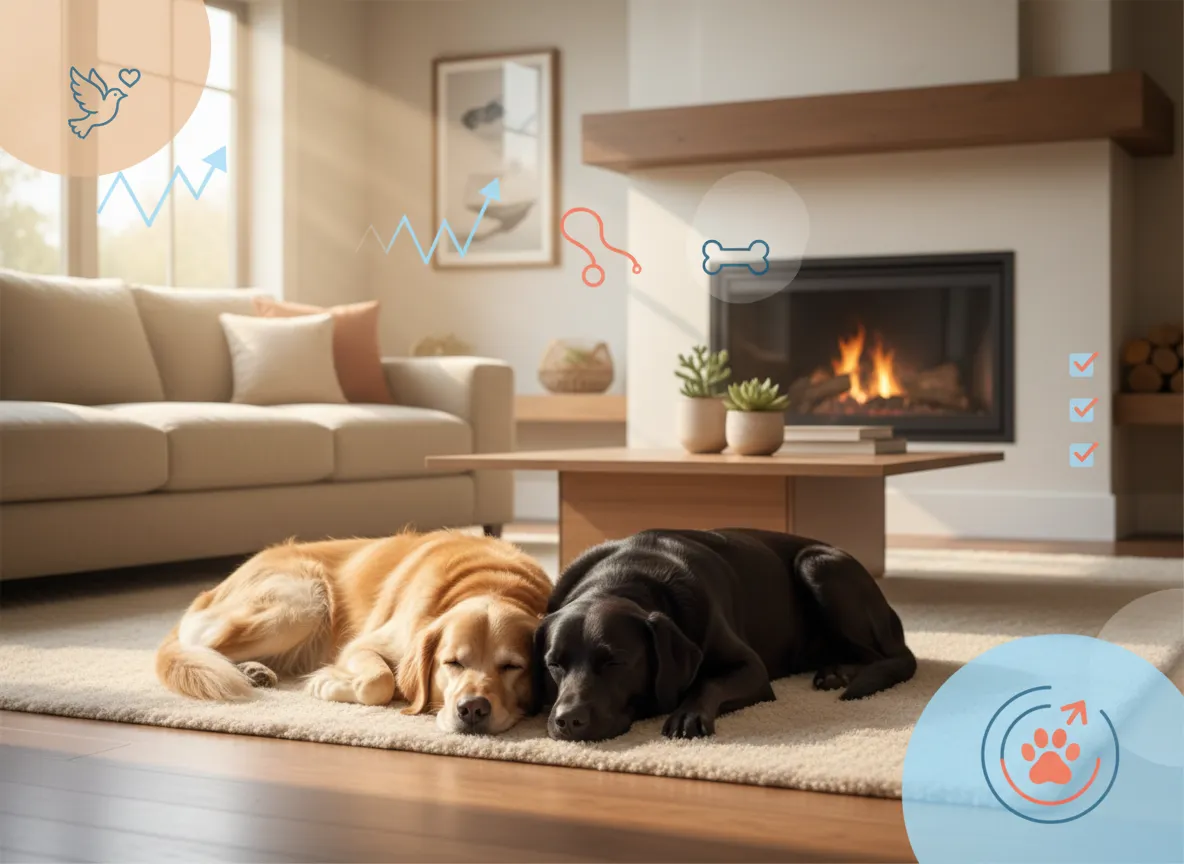
A Heartwarming Tale of Harmony Between Two Dogs
Jul 14, 2026
Discover how a rescue dog and an older dog found peace together, and learn tips for managing multi-dog households.

Why Does My Dog Lean Against Me? Unpacking the Canine Lean
Jun 12, 2026
Discover why dogs lean on us, what it means for your pup's comfort and trust, and how to interpret this affectionate behavior.
Comments
No comments yet. Be the first to comment!
Anbefalt Hundeopplæring


Vi kan motta en provisjon hvis du kjøper gjennom disse lenkene (uten ekstra kostnad for deg).