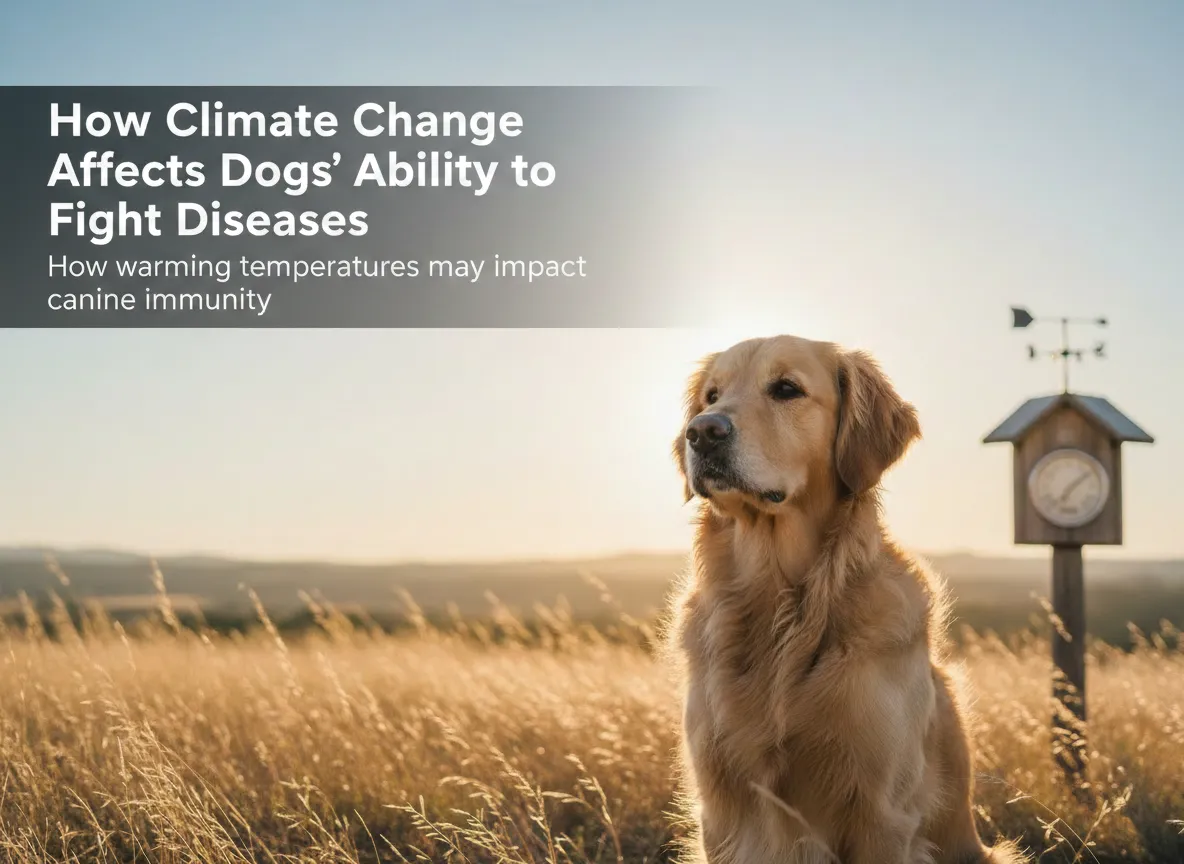
How Climate Change Affects Dogs' Ability to Fight Diseases
Why Should Dog Owners Care?
Imagine taking your furry friend for a walk on a hot summer day. You notice them panting more than usual and seeking shade at every opportunity. Just like humans, dogs have an optimal body temperature range where they feel their best. But did you know that temperature can also affect their immune systems? As climate change brings more extreme temperatures, understanding this relationship becomes crucial for maintaining our pets' health.
The Research
Recent findings published in the journal Frontiers in Immunology explore how temperature changes impact the immune systems of vertebrates, including dogs. Conducted by a team of researchers, the study reveals that while slightly warmer temperatures can enhance immune responses, further increases can favor pathogens instead. This means that as global temperatures rise, so does the risk of disease spread.
The study examined various vertebrates, noting that each species has a preferred temperature range for optimal immune function. For mammals like dogs, maintaining a stable internal temperature is key. Unlike reptiles that rely on their environment to regulate their body heat, dogs use metabolic processes to keep warm, even in cold conditions.
What This Means for Dog Owners
For dog owners, this research underscores the importance of monitoring your dog's environment, especially as seasons change. Hotter climates may not only make your dog uncomfortable but could also weaken their immune system, making them more susceptible to illnesses. On the flip side, understanding how temperature affects their immunity can lead to new strategies to enhance their health.
Practical applications might include adjusting your dog's living conditions—like using fans or heaters—to keep their environment within an optimal temperature range. Utilizing tools like our Dog Age Calculator can help you plan age-appropriate, climate-conscious care routines.
Practical Takeaways
- Monitor Temperature: Keep your dog's living environment comfortable.
- Hydration is Key: Ensure your dog has constant access to water.
- Regular Health Checks: Visit your vet regularly to monitor health.
- Use Tools: Explore our Nutrition Planner for diet adjustments.
Temperature and Immune Response Impact
70%
Boost in Immune Response
Optimal temperatures can enhance immune system performance by up to 70%.
Risk Increase
Higher Pathogen Activity
Rising temperatures increase pathogen activity, elevating disease risks.
A Note on the Evidence
While these findings offer valuable insights, it's important to remember that the research is ongoing. The study covered a range of vertebrates, but more specific research on dogs is needed to fully understand the implications. Always consult with your vet for tailored advice.
Tips for Managing Dog's Temperature
Ensure your dog has access to both shade and sunlight.
Adjust indoor temperatures using fans or heaters as needed.
Regularly check your dog's hydration levels, especially in heat.
Closing
As the climate continues to change, staying informed about how these shifts impact your dog's health is essential. Engage with our Dog Behavior Guide for more tips on keeping your pet healthy and happy. Together, we can ensure our canine companions thrive no matter the weather.
For more details on the study, visit the original article.
You might also like

Understanding Pit Bull Health: A Guide for Loving Owners
Jul 27, 2026
Discover common health issues in Pit Bulls and learn how to keep your furry friend healthy and happy.
Understanding Canine Reproductive Health: Key Issues and Solutions
May 28, 2026
Delve into the critical aspects of canine reproductive health, focusing on conditions like pyometra and dystocia, and learn how to safeguard your dog.

Top Tips for Storing Your Dog's Food Freshly and Securely
Aug 26, 2026
Discover the best ways to store your dog's food to maintain freshness and nutrition. Secure your pantry and keep pests away!
Comments
No comments yet. Be the first to comment!
Anbefalt Hundeopplæring


Vi kan motta en provisjon hvis du kjøper gjennom disse lenkene (uten ekstra kostnad for deg).