Why Your Dog's Fetch Game Keeps Changing: A Fascinating Insight
The Fetch Game: More Than Meets the Eye
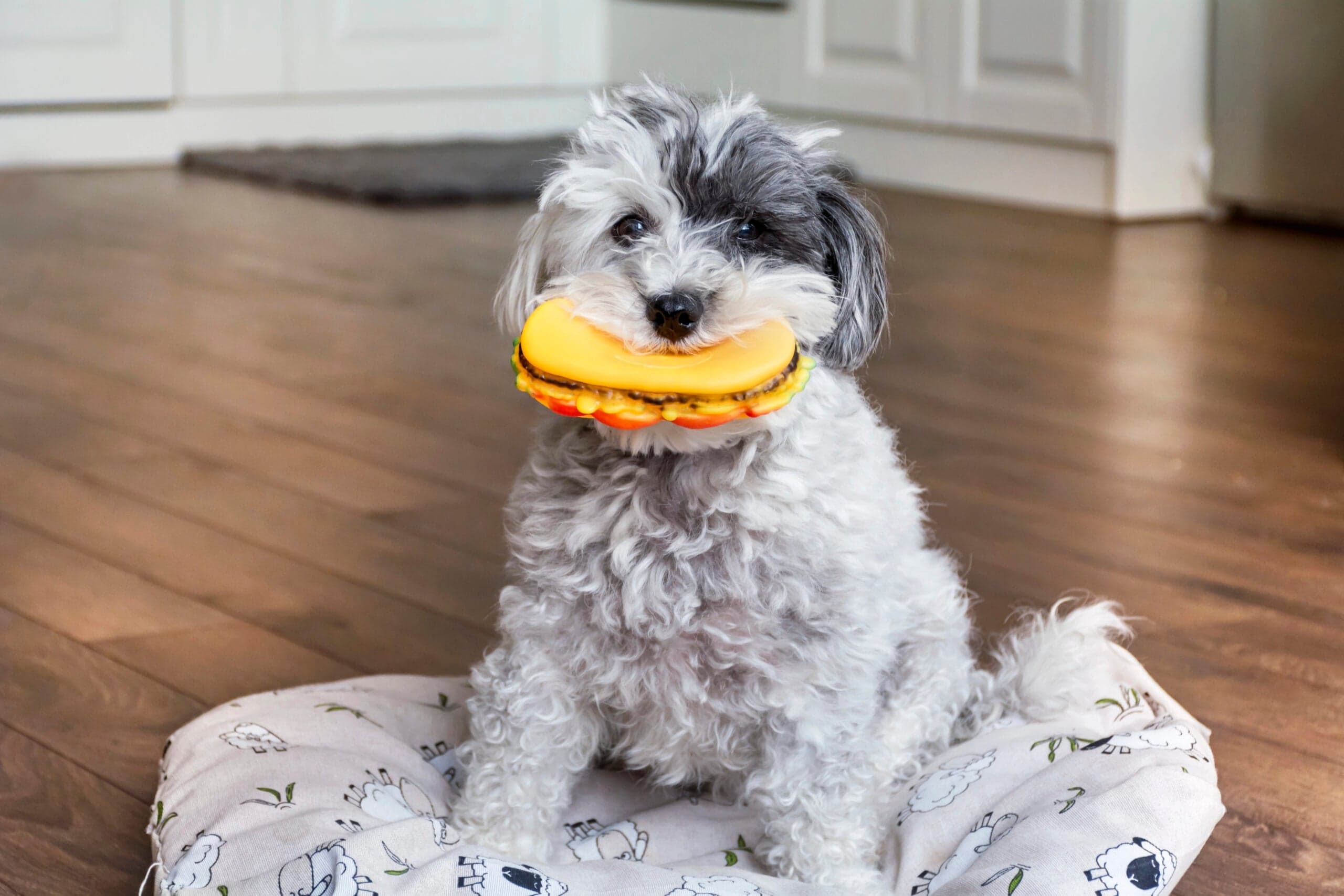
If you're a dog owner, you've likely experienced the puzzling fetch game that seems to involve an endless cycle of toys. One moment your furry friend drops a tennis ball at your feet, but just as you reach for it, they scamper off to bring back a squeaky duck. Before you know it, a rope toy enters the fray, and soon enough, the tennis ball is back in play. So, what's going on here? Is your canine companion just indecisive, or is there a method to this playful madness?
This behavior might seem perplexing to us humans who are accustomed to focusing on a single object. When your dog presents a tennis ball, you might assume that this is the centerpiece of their attention. However, the moment they abandon it for another toy, it can appear irrational. But in reality, many dogs aren't as fixated on the original toy as we might think. Let's explore this intriguing behavior further.
Understanding Canine Play: The Psychology Behind the Swap
Dogs are social creatures, and play is a crucial part of their interaction with us and their environment. When your dog switches toys during fetch, they might be engaging in a more complex social interaction than it appears. According to AKC, dogs use play to communicate and bond, and the toy itself might simply be a medium for interaction rather than the focal point.
In many cases, the switching of toys could be your dog's way of keeping the game dynamic and exciting. Just as humans enjoy a varied experience, dogs might find joy in the unpredictability of swapping toys. This behavior can also be a way for dogs to express their creativity and problem-solving skills, as they explore different textures, sounds, and shapes with each new toy.
The Role of Instincts and Training
Dogs have natural instincts that drive their behavior. Fetching and retrieving are rooted in hunting instincts, where a dog might chase after different prey. The act of switching toys might mimic this instinctual behavior, adding a layer of excitement and challenge to the game. Moreover, some dogs might have been trained to associate different toys with different actions or rewards, further contributing to the behavior.
For dog owners looking to better understand their pet's behavior, our Dog Behavior Guide provides in-depth insights into the various aspects of canine psychology.
Tips for Engaging Fetch Play
Offer a selection of toys to keep your dog engaged.
Pay attention to which toys your dog favors.
Join in the fun with interactive play.
Practical Tips for Playtime
- Variety is Key: Offer a selection of toys to keep your dog engaged and stimulated.
- Observe and Adapt: Pay attention to which toys your dog favors and try to understand the patterns in their behavior.
- Interactive Play: Join in the fun by engaging with different toys and creating a playful atmosphere.
Engaging with Your Dog
Playing fetch isn't just about the toys—it's a bonding experience. By understanding the reasons behind your dog's toy-switching antics, you can enhance the quality of playtime. Explore more ways to strengthen your bond with our Daily Bonding Regimen.
In conclusion, the ever-changing fetch game is just one of the delightful ways dogs interact with us. By embracing their playful nature and adapting to their unique style, we can foster deeper connections with our furry companions. Share your fetch stories with us on our blog and keep the conversation going!
You might also like
Why Do Dogs Chew on Socks and Rocks? Understanding Their Quirky Habits
Aug 15, 2026
Discover why dogs chew on unusual items like socks and rocks, and learn how to manage these behaviors effectively.

20 Tough-Looking Dogs That Are Actually Gentle Giants
Aug 14, 2026
Discover 20 dog breeds that appear tough but are full of love and loyalty. These gentle giants will surprise you with their affectionate nature.

Why Your Dog Checks On You: Understanding Their Sweet Behavior
Aug 7, 2026
Discover the heartwarming reasons your dog checks in on you and learn how this behavior strengthens your bond.
Comments
No comments yet. Be the first to comment!
Anbefalt Hundeopplæring


Vi kan motta en provisjon hvis du kjøper gjennom disse lenkene (uten ekstra kostnad for deg).