When to Transition from Puppy to Adult Dog Food
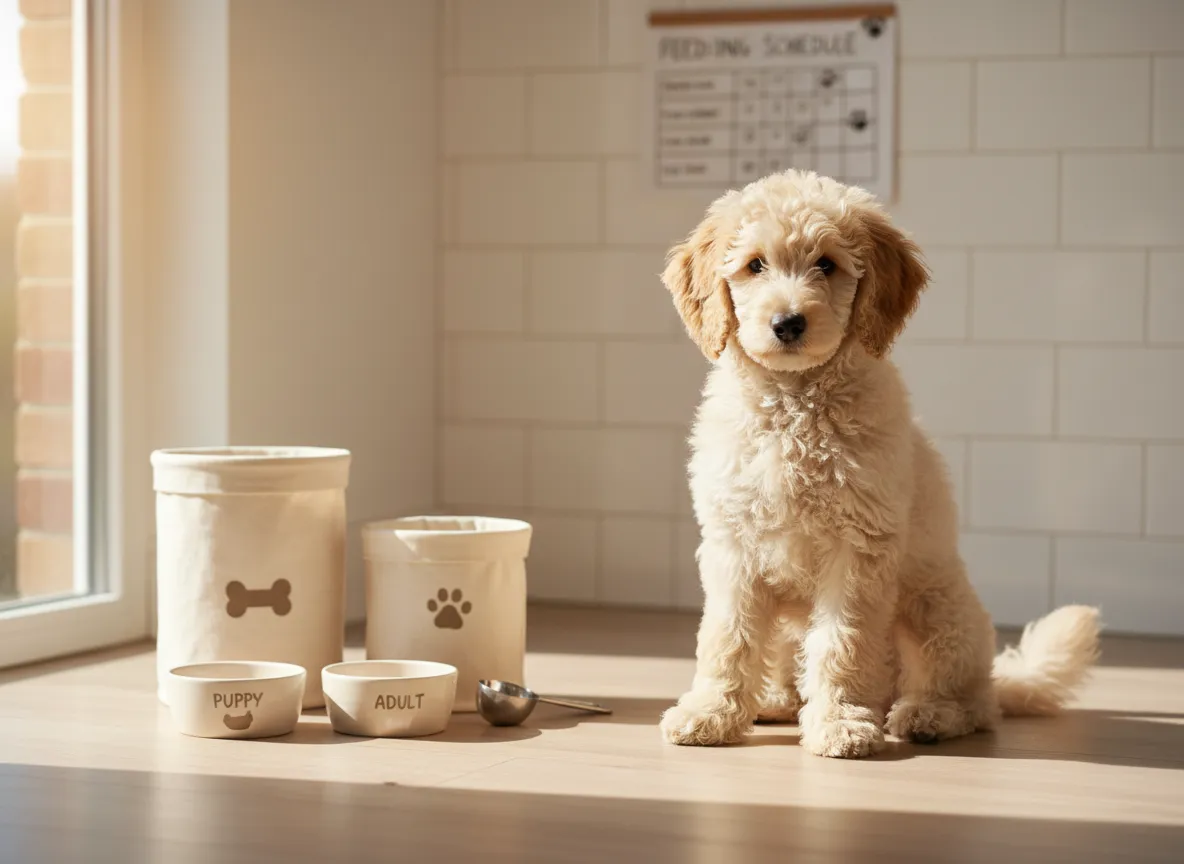
A Growing Pup: When to Make the Food Switch
Watching your little pup grow is a journey filled with joy and surprises. One day, they seem to devour every morsel of food like they're preparing for a marathon. Then suddenly, they leave food in their bowl, and you start noticing changes in their energy levels and physique. This is when many dog owners question if it's time to switch from puppy to adult dog food.
Understanding when to make this transition is crucial for your dog's health and development. Each puppy grows at its own pace, but there are common signals that can guide you.
The Nutritional Needs of a Growing Puppy
Puppies grow rapidly, much like a whirlwind of fur and energy. Within just a couple of years, they transform from tiny bundles of joy into full-grown dogs. This rapid growth demands a diet rich in nutrients to support their developing bodies. According to the Association of American Feed Control Officials (AAFCO), puppy foods are specifically formulated with higher levels of protein, fat, calcium, and phosphorus to cater to these needs.
Recognizing the Signs It's Time to Switch
- Appetite Changes: If your puppy starts leaving food behind, it might be a sign they're ready for adult food.
- Physical Growth: Once your puppy has reached about 80% of their expected adult size, it's usually a good time to consider the switch.
- Behavioral Shifts: A decrease in puppy-like behavior and more settled energy levels can indicate readiness for adult food.
Why Timing Matters
Switching too early or too late can impact your dog's health. If you transition to adult food too soon, your puppy might miss out on essential nutrients needed for growth. Conversely, sticking with puppy food for too long can lead to excessive weight gain and health issues.
Tips for a Smooth Transition
Gradually mix adult food with puppy food over a week.
Monitor your puppy's digestion and energy levels.
Consult a veterinarian for personalized advice.
How to Transition Your Dog's Diet
- Gradual Change: Start by mixing a small amount of adult food with their puppy food, gradually increasing the adult food over a week or so.
- Monitor Their Response: Keep an eye on their digestion and energy levels to ensure they're adapting well.
- Consult a Vet: Always consult with a veterinarian to tailor the transition to your puppy's specific needs.
For more tailored advice, check out our Nutrition Planner and learn more about balanced diets.
Practical Tips for a Smooth Transition
- Use a Toxic Foods Checker to avoid harmful ingredients.
- Explore our Training Guide to keep your growing dog mentally stimulated.
- Calculate your dog's age accurately with our Dog Age Calculator to understand their life stage better.
Wrapping Up
Transitioning from puppy to adult dog food is a significant step in your pet's life. By observing their growth and behavior, you can make the change smoothly. Share your transition stories with us on our blog and join the community of dog enthusiasts!
You might also like

Celebrate Summer with Strawberry Treats for Your Dog
Jul 21, 2026
Discover delightful strawberry-inspired treats and toys for your dog this summer. Learn about the safe and healthy ways to include strawberries in their diet.
Top Picks for Soft Dog Treats: Healthy Choices for Your Furry Friend
Jul 2, 2026
Explore the best soft dog treats that offer delicious flavors, support sensitive teeth, and enhance training for dogs of all ages.
Navigating Dog Food Choices: A Comprehensive Guide for Pet Owners
Apr 3, 2026
Discover how to choose the best dog food for your furry friend with our easy-to-use comparison guide.
Comments
No comments yet. Be the first to comment!
Anbefalt Hundeopplæring


Vi kan motta en provisjon hvis du kjøper gjennom disse lenkene (uten ekstra kostnad for deg).