Unseen Kitchen Hazards: Spices That Can Harm Your Dog
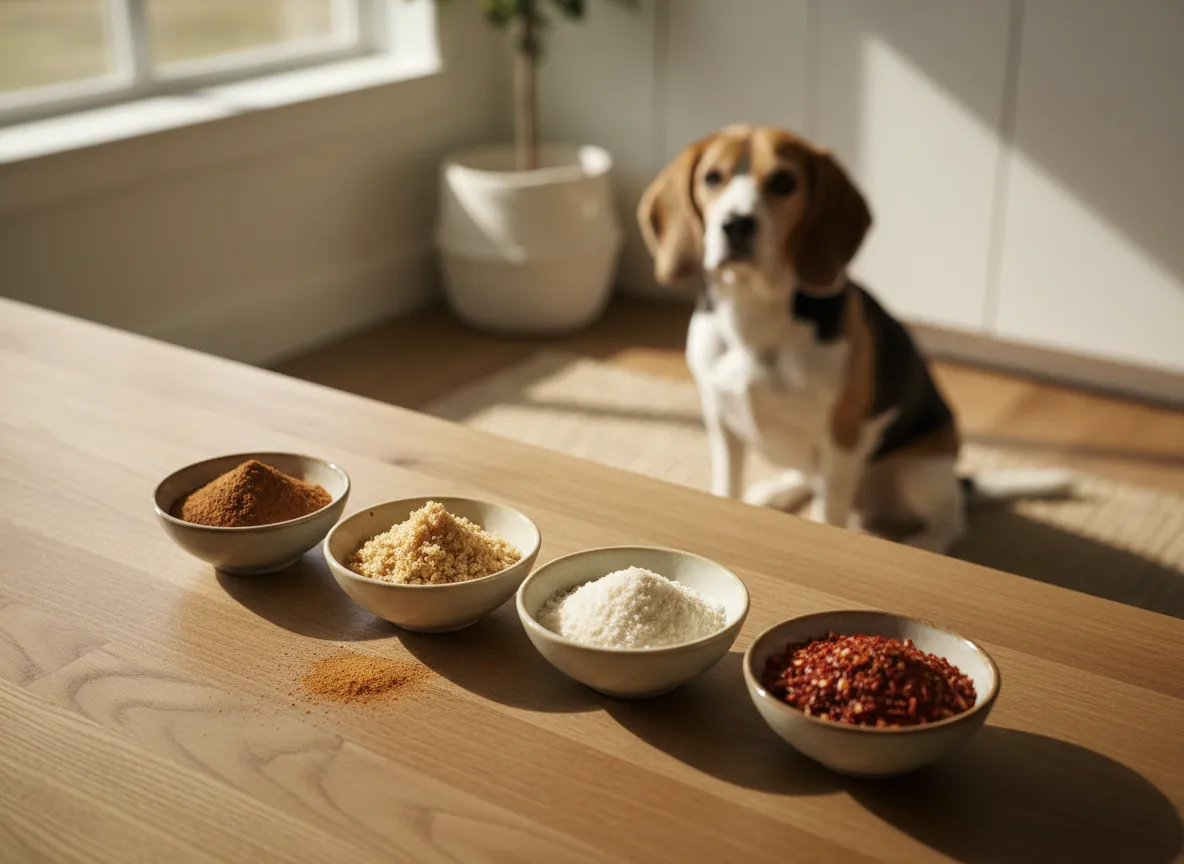
A Hidden Danger in Your Spice Rack
It's common knowledge that chocolate is a no-go for our canine companions, but did you know that your spice cabinet could also be a minefield of potential hazards? While some herbs and spices offer health benefits, others might send your furry friend to the vet. Let's explore the spices you should be cautious about.
Safe Spices for Dogs
While many spices are risky, there are a few that can be beneficial in moderation. Take rosemary, for instance. Known for its antimicrobial properties and antioxidants, rosemary can help support your dog's heart health and even act as a natural flea deterrent. Basil is another herb that's safe for dogs, offering anti-inflammatory benefits and helping with anxiety and joint pain.
Ginger is a versatile spice safe for dogs, provided it's not pickled. Its anti-inflammatory properties can help alleviate bloating and gas, though it should be avoided if your dog is on blood thinners. Curly parsley can also be a good addition to your dog's diet, aiding in freshening their breath.
Spices to Keep Away from Dogs
Some kitchen staples are surprisingly dangerous for dogs. The allium family, including garlic, onions, leeks, and chives, are toxic and should be kept out of your pet's reach. Nutmeg, often found in baked goods, contains myristicin which can cause serious symptoms like disorientation and high blood pressure.
Cinnamon, though non-toxic in small amounts, can be harmful in larger doses. It can cause vomiting and liver damage, so it's best used sparingly. And of course, cocoa powder, with its high theobromine content, is even more dangerous than chocolate itself.
Understanding Canine Sensitivities: Why Some Spices Are Harmful
Allium Toxicity
The allium family contains compounds that can damage your dog's red blood cells, leading to anemia. Symptoms may include weakness, lethargy, and an elevated heart rate. Learn more about dog anemia.
Nutmeg's Neurological Effects
Nutmeg's myristicin can affect your dog's nervous system, causing hallucinations and seizures. Even small amounts can be harmful, so avoid it altogether.
Cocoa Powder: A Potent Threat
Cocoa powder is a concentrated form of chocolate's toxic component, theobromine. It can lead to symptoms ranging from stomach upset to severe cardiac issues. Read about chocolate toxicity.
Safety Tips for Dog Owners
- Secure Your Pantry: Keep spices and herbs out of reach. Use child-proof locks if necessary.
- Label and Store Properly: Keep spices in their original containers with clear labeling.
- Check Ingredients: Before sharing human food, ensure it doesn't contain harmful spices or ingredients.
Safety Tips for Dog Owners
Secure your pantry with child-proof locks.
Label and store spices properly.
Always check ingredients before sharing human food.
Conclusion
By being vigilant about what's in your spice cabinet, you can help ensure your dog's safety. Share your experiences and tips with other dog lovers on our blog. Together, we can create a safer environment for our furry friends.
You might also like

The Joy and Risks of Muddy Adventures with Your Dog
Jun 30, 2026
Discover the joys and hidden risks of letting your dog play in mud. Learn how to keep them safe and your home clean.

Why Is My Dog Suddenly Acting Famished?
Apr 15, 2026
Explore why your dog may suddenly seem hungrier than usual, including potential health triggers and behavioral insights.

The Unseen Dangers Lurking in Tall Grass for Your Dog
Apr 4, 2026
Discover why even dead ticks pose a risk to your dog and learn how to safely remove them.
Comments
No comments yet. Be the first to comment!
Anbefalt Hundeopplæring


Vi kan motta en provisjon hvis du kjøper gjennom disse lenkene (uten ekstra kostnad for deg).