Understanding Your Dog's Heavy Breathing: When to Worry
The Different Faces of Heavy Breathing in Dogs
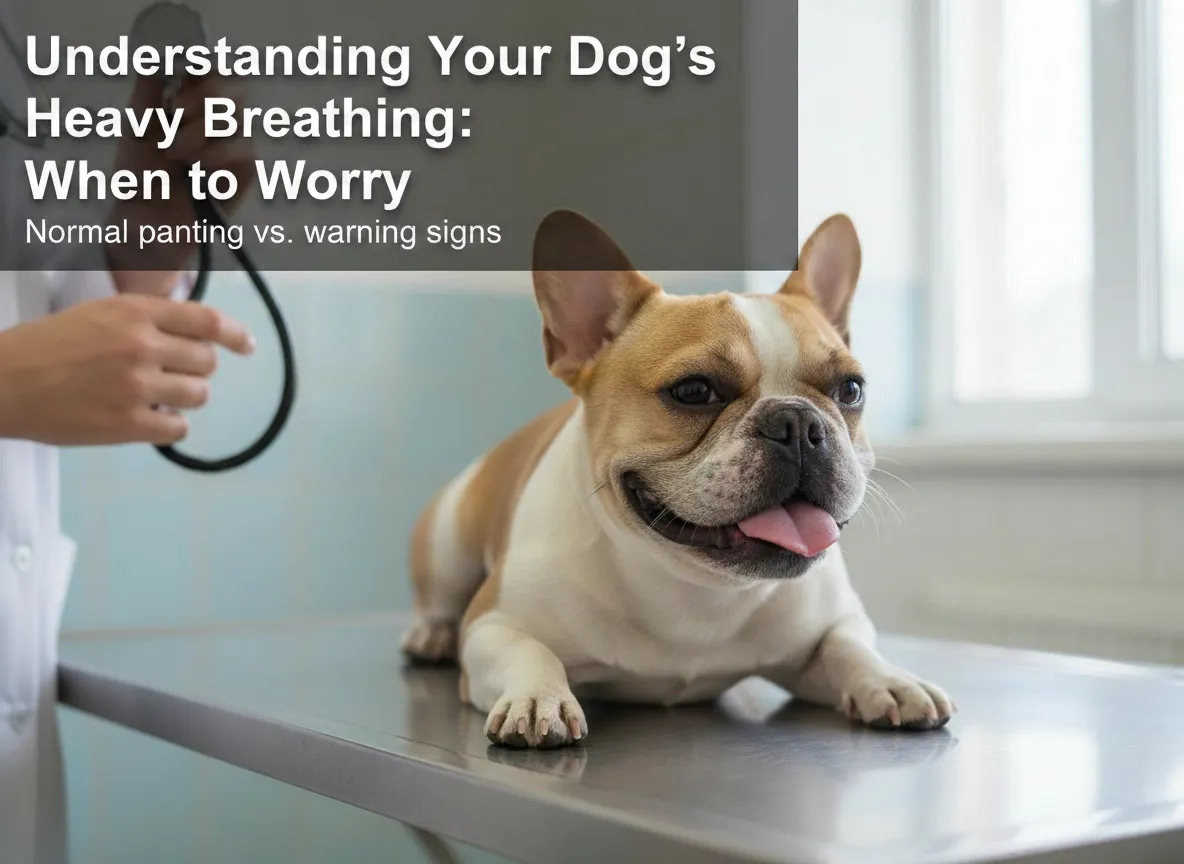
As dog owners, we often notice our furry friends panting, especially after a vigorous play session or on a particularly warm day. But what if that heavy breathing seems more intense or persists longer than usual? Understanding the nuances of canine respiration can help you determine whether your dog is simply cooling down or if there’s a reason to dash to the vet.
Panting is a natural way for dogs to regulate their body temperature. Imagine it as their equivalent of sweating. When your dog is happily panting, you'll notice a rhythmic breathing pattern, an open mouth, and a relaxed demeanor. This type of breathing usually follows excitement, exercise, or even mild anxiety and is generally nothing to worry about. Typically, your dog's breathing will return to normal within five to fifteen minutes.
However, when breathing becomes labored, it’s a different story. Labored breathing, also known as dyspnea, is characterized by a noticeable effort in taking breaths. You might see your dog extending his neck, flaring his nostrils, or having a rib cage that visibly moves with each breath. Unlike regular panting, labored breathing can indicate a serious health issue.
Signs of Labored Breathing
5-15 min
Panting Duration
Typical time for breathing to normalize after panting.
Immediate
Seek Vet Help
If breathing appears labored, consult a vet immediately.
## Recognizing Labored Breathing
Labored breathing is more strenuous and can be a sign that your dog is struggling to get enough oxygen. A telltale sign is if your dog's gums appear blue or gray instead of their usual pink, indicating insufficient oxygenation. You may also hear wheezing or whistling noises as your dog breathes.
Dogs experiencing labored breathing often avoid lying down or do so in a specific position to ease their struggle. If you notice these signs, it's important to remain calm but act swiftly. Breathing difficulties can stem from various causes, including heart or respiratory conditions, trauma, or obstructions in the airway.
## Common Causes of Dyspnea
Dyspnea can result from several underlying health issues. Conditions such as congestive heart failure, cardiomyopathy, and heartworm disease are common cardiac-related causes. Respiratory diseases like pneumonia can also lead to labored breathing. In some cases, the problem might be a physical obstruction, such as an inhaled object or a growth impeding airflow.
Brachycephalic breeds, known for their short noses, may face breathing challenges even under normal conditions. These dogs are especially at risk in hot or humid environments, making it crucial to monitor them closely during summer months or strenuous activity.
## When to Seek Veterinary Help
If your dog is having difficulty breathing, don't hesitate to take them to the veterinarian. A thorough examination, including listening to your dog's chest and possibly taking X-rays, can help pinpoint the cause. In some cases, an ultrasound or echocardiogram may be necessary.
Blood oxygen levels are often checked, and supplemental oxygen may be provided to ease breathing. The veterinarian's goal is to identify the underlying issue quickly to provide appropriate treatment.
Breathing Support Tips
Observe your dog's breathing regularly to spot changes early.
Ensure a cool, comfortable resting area, especially in warm weather.
Schedule regular vet check-ups to catch potential issues early.
Practical Tips for Monitoring and Supporting Your Dog's Breathing
- Stay Observant: Regularly observe your dog's breathing patterns during rest and activity. Familiarity with their normal behavior helps you spot changes early.
- Maintain a Healthy Environment: Ensure your dog has a comfortable, cool place to rest, particularly in warm weather.
- Regular Check-ups: Routine veterinary visits can help identify potential health issues before they become severe.
Conclusion: Keeping Your Canine Companion Healthy
Understanding the difference between normal panting and labored breathing is vital for the health and well-being of your dog. By staying informed and attentive, you can ensure that your furry friend receives the care they need promptly. For more insights into dog behavior and health, explore our Dog Behavior Guide and Toxic Foods Checker. If you're curious about your dog's physical fitness needs, check out our Daily Bonding Regimen for a healthier lifestyle.
For further reading on canine health, consider visiting PetMD or the American Kennel Club for expert advice.
You might also like

Why Do Dogs Chew on Socks and Rocks? Understanding Their Quirky Habits
Aug 15, 2026
Discover why dogs chew on unusual items like socks and rocks, and learn how to manage these behaviors effectively.
Understanding Hypertrophic Osteodystrophy and Panosteitis in Young Dogs
Jul 17, 2026
Learn about the differences between hypertrophic osteodystrophy and panosteitis in young dogs and how to care for affected puppies.

The Joy and Risks of Muddy Adventures with Your Dog
Jun 30, 2026
Discover the joys and hidden risks of letting your dog play in mud. Learn how to keep them safe and your home clean.
Comments
No comments yet. Be the first to comment!
Anbefalt Hundeopplæring


Vi kan motta en provisjon hvis du kjøper gjennom disse lenkene (uten ekstra kostnad for deg).