Unlocking the Health Benefits of Turkey Tail Mushrooms for Dogs

Discovering the Power of Turkey Tail Mushrooms
For centuries, cultures across the globe have harnessed the healing properties of mushrooms, and one particular type stands out for its remarkable benefits for dogs: the turkey tail mushroom. With its distinctive fan-like shape resembling a turkey's tail, this mushroom has been a staple in traditional medicine, especially within Chinese practices, renowned for its health-promoting capabilities.
The turkey tail mushroom, scientifically known as Trametes versicolor, is celebrated for its potential to boost immunity, combat inflammation, and even support cancer therapies. Dog owners are increasingly turning to this natural supplement as an addition to their canine's diet, hoping to tap into its multifaceted benefits.
The Science Behind the Benefits
Immune System Support
Turkey tail mushrooms are rich in polysaccharopeptides, which are compounds known to enhance immune response. These compounds stimulate the production of immune cells, such as natural killer cells, which play a crucial role in fighting off infections and diseases. Research has shown that these mushrooms can help bolster your dog's immune system, making them more resilient against common ailments.
Anti-inflammatory Properties
Inflammation is a common issue in aging dogs, leading to discomfort and mobility problems. The bioactive compounds in turkey tail mushrooms are known to possess anti-inflammatory properties that can help alleviate symptoms associated with arthritis and other inflammatory conditions.
Cancer-fighting Potential
Studies suggest that turkey tail mushrooms may have anticancer properties. They contain polysaccharides that may inhibit tumor growth and enhance the efficacy of conventional cancer treatments. While more research is needed in this area, initial findings are promising, making it an intriguing option for supportive care in canine cancer therapy.
Introducing Turkey Tail to Your Dog
Consult a veterinarian before introducing new supplements.
Start with a small dose and gradually increase.
Monitor your dog for any adverse reactions.
How to Introduce Turkey Tail Mushrooms to Your Dog's Diet
- Consult a Veterinarian: Before adding any supplement to your pet's diet, it's crucial to consult with a veterinarian to ensure it's appropriate for your dog's specific health needs.
- Choose Quality Supplements: Look for high-quality turkey tail mushroom supplements that are specifically formulated for dogs. These products are typically available in powder or capsule form.
- Start Gradually: Introduce the supplement slowly, monitoring your dog for any adverse reactions. Begin with a small dose and gradually increase it as recommended by your vet.
Practical Tips for Dog Owners
- Consider using our Nutrition Planner to ensure a balanced diet for your furry friend.
- Use our Toxic Foods Checker to verify which foods are safe for your dog.
- For dogs with health conditions, explore our Dog Behavior Guide for tips on managing wellness.
Closing Thoughts
Adding turkey tail mushrooms to your dog's diet could be a beneficial step towards enhancing their overall health and vitality. As with any supplement, it's important to approach it carefully and with guidance from a professional. Have you tried turkey tail mushrooms with your dog? Share your experiences and insights with us on our blog!
For further reading, check out this comprehensive guide on turkey tail mushrooms from PetMD.

You might also like

Why Your Dog Might Need Goggles
Aug 28, 2026
Explore the benefits of dog goggles, from eye protection during outdoor adventures to aiding recovery from eye injuries.
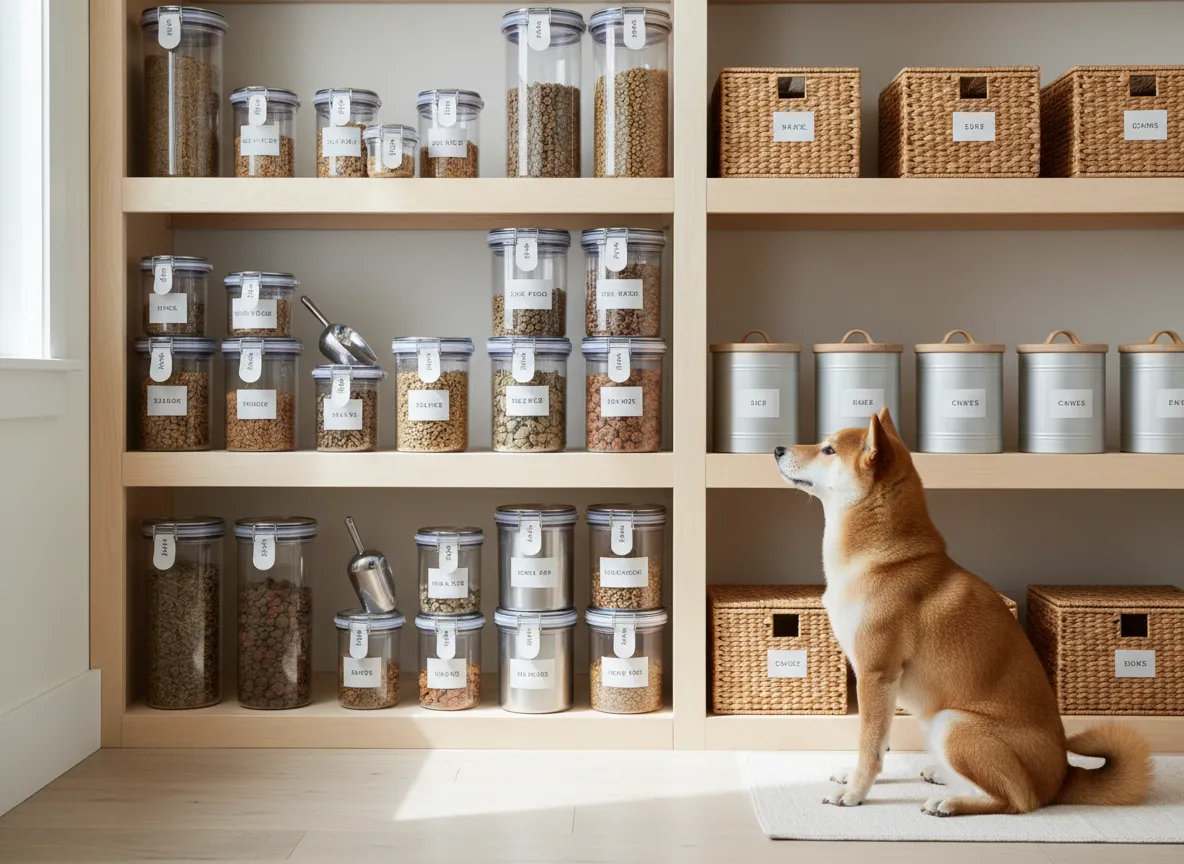
Top Tips for Storing Your Dog's Food Freshly and Securely
Aug 26, 2026
Discover the best ways to store your dog's food to maintain freshness and nutrition. Secure your pantry and keep pests away!
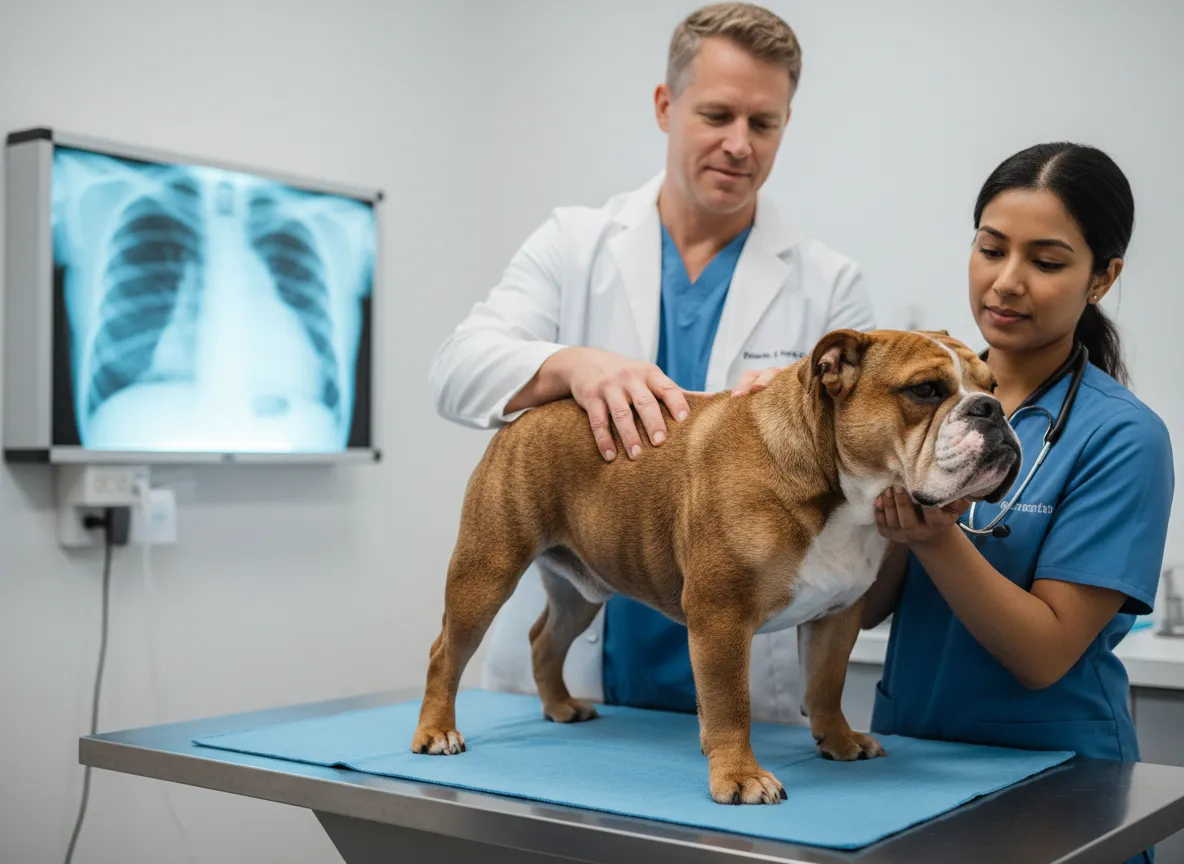
Understanding Short Spine Syndrome in Dogs: A Look at Recent Findings
Aug 24, 2026
Discover how short spine syndrome, as seen in the viral raccoon 'Jimothy', can also affect dogs, and what it means for your pet's health.
Comments
No comments yet. Be the first to comment!
Anbefalt Hundeopplæring


Vi kan motta en provisjon hvis du kjøper gjennom disse lenkene (uten ekstra kostnad for deg).