Understanding Short Spine Syndrome in Dogs: A Look at Recent Findings
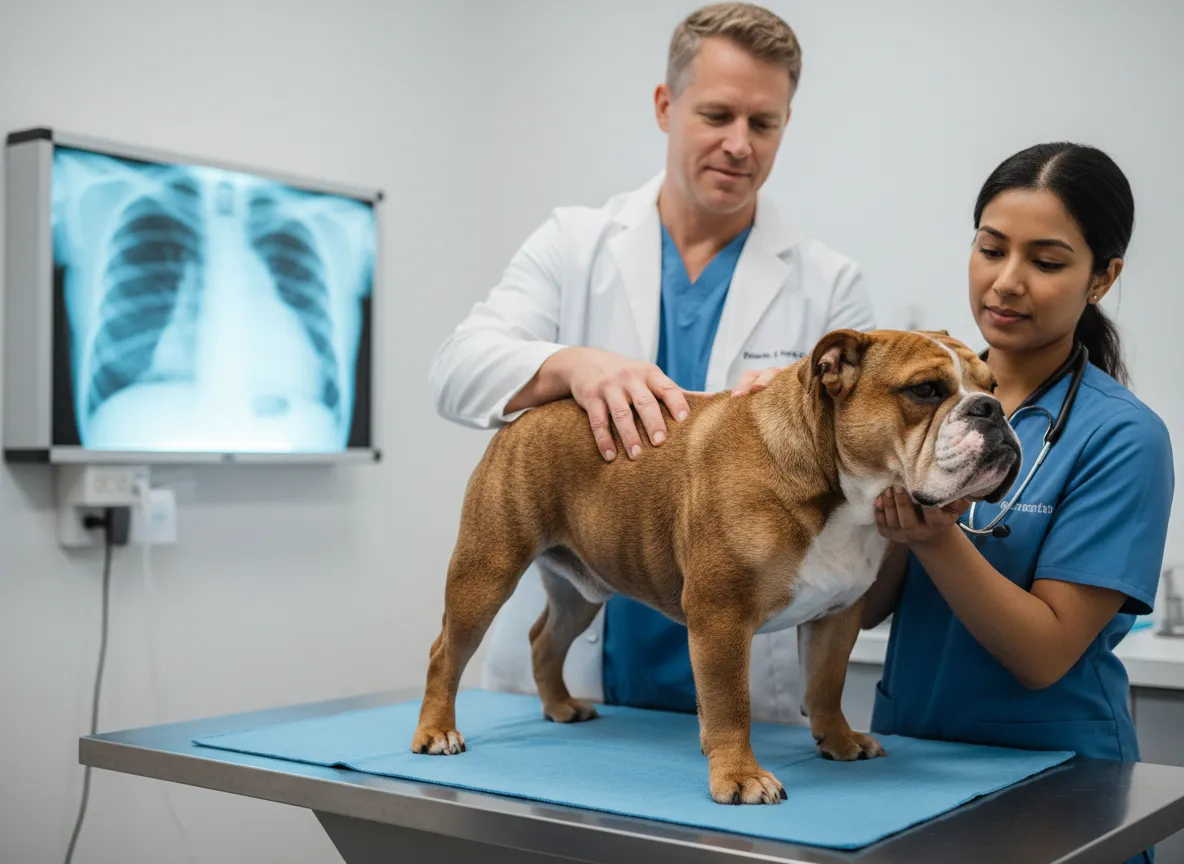
Why This Matters to Dog Owners
Have you recently stumbled upon the adorable video of a raccoon named 'Jimothy' that seems to be all over social media? This peculiar creature has captured the hearts of many with its unique appearance and playful hops. But did you know that Jimothy's condition, known as short spine syndrome, can also affect our beloved dogs?
The Research
In recent studies, researchers have been exploring the genetic and environmental factors contributing to short spine syndrome in animals. Short spine syndrome is a rare congenital condition where the spine appears to be significantly shortened. This has been observed in various mammals, including dogs. A team at the University of California conducted a detailed analysis of this syndrome, using both Jimothy's case and several dogs diagnosed with the condition.
The research revealed that short spine syndrome is likely caused by a genetic mutation affecting vertebral development. Dogs with this condition often have a compact, round appearance, similar to Jimothy, and may experience mobility challenges. This study was published in the Journal of Veterinary Genetics and can be accessed here.
What This Means for Dog Owners
If you're a dog owner, understanding this condition is crucial, especially if you notice unusual physical traits or mobility issues in your pet. While short spine syndrome is rare, recognizing its signs early can lead to better management of your dog's health.
Dogs with short spine syndrome may require special care, particularly concerning their mobility and joint health. It's essential to consult with your veterinarian to tailor a care plan that suits your dog's unique needs. Moreover, tools like our Dog Age Calculator and Dog Behavior Guide can provide additional insights into managing your pet's condition.
Practical Takeaways
- Schedule regular vet check-ups to monitor your dog's spine and joint health.
- Use supportive accessories, like harnesses, to aid in your dog's movement.
- Consider physiotherapy sessions to improve mobility and comfort.
- Maintain a balanced diet using our Nutrition Planner to support overall health.
Key Facts about Short Spine Syndrome
Rare
Occurrence
Short spine syndrome is a rare condition in dogs
Genetic
Cause
Caused by a genetic mutation affecting vertebrae
Mobility
Impact
Affects mobility, requiring special care
A Note on the Evidence
While the research provides valuable insights, it's important to note that the sample size is relatively small, and more studies are necessary to fully understand the genetic components of short spine syndrome. Researchers emphasize the need for continued investigation to explore potential treatments.
Care Tips for Dogs with Short Spine Syndrome
Consult your vet for a tailored care plan
Use supportive harnesses for movement assistance
Consider physiotherapy to enhance mobility
Maintain a balanced diet with a nutrition planner
Closing
We invite you to share your experiences or questions about unusual conditions in dogs on our blog. Engaging with a community of dog lovers can provide support and additional perspectives.
You might also like
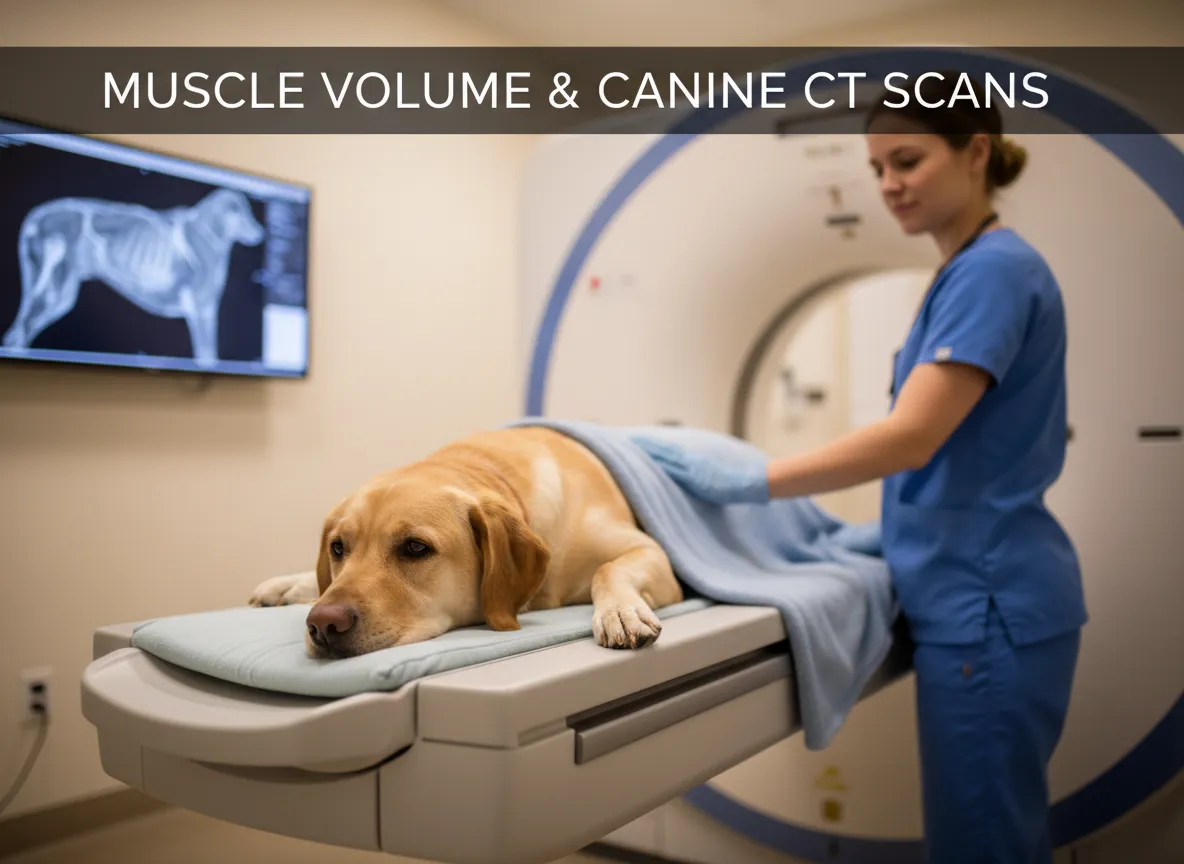
Understanding Muscle Volume in Your Dog: The Role of CT Scans
Jun 22, 2026
Discover how CT scans measure your dog's muscle health and what this means for their well-being.

Top Tips for Storing Your Dog's Food Freshly and Securely
Aug 26, 2026
Discover the best ways to store your dog's food to maintain freshness and nutrition. Secure your pantry and keep pests away!
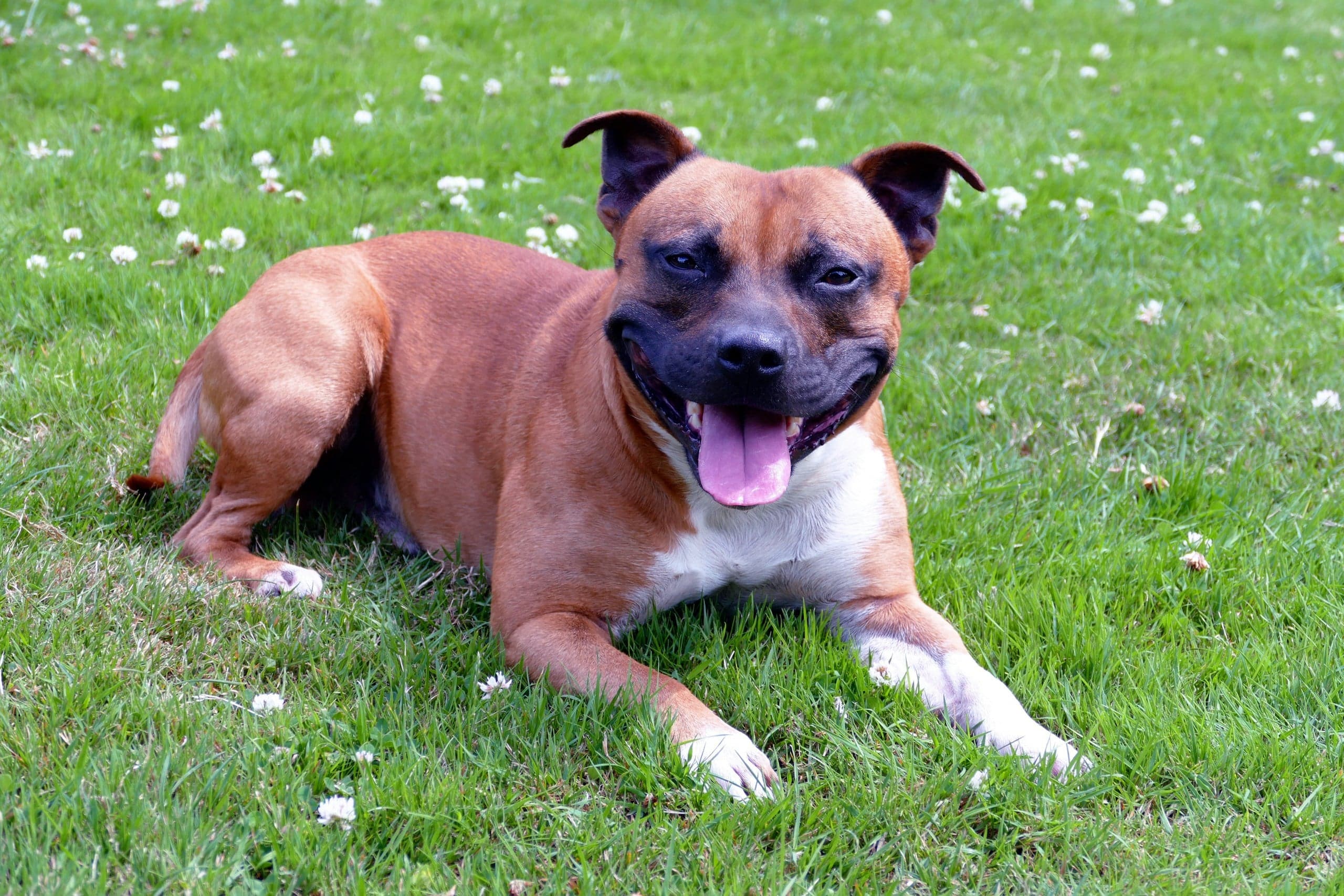
Understanding Pit Bull Health: A Guide for Loving Owners
Jul 27, 2026
Discover common health issues in Pit Bulls and learn how to keep your furry friend healthy and happy.
Comments
No comments yet. Be the first to comment!
Anbefalt Hundeopplæring


Vi kan motta en provisjon hvis du kjøper gjennom disse lenkene (uten ekstra kostnad for deg).