Understanding Spinal Health in Dogs: What New 3D Scans Reveal
Hook
Imagine watching your playful Dachshund suddenly pause, unable to continue their usual antics. It's a scene many dog owners dread, particularly those with breeds prone to spinal issues, such as Dachshunds, Bichon Frisé, and French Bulldogs. Understanding why these issues occur and how to manage them is crucial for every dog lover.
The Research
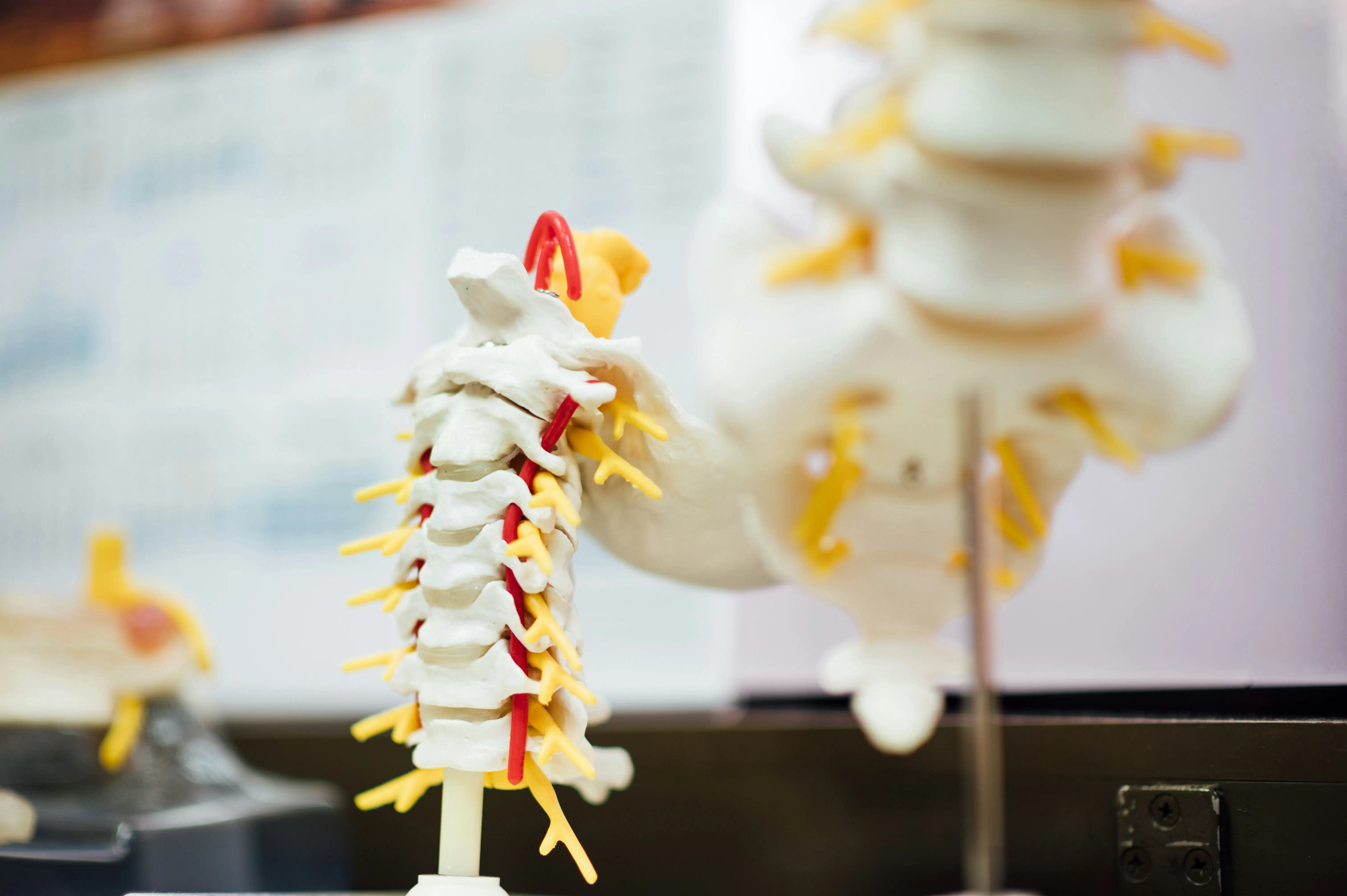
Recent research conducted by a team of veterinarians has utilized advanced three-dimensional (3D) imaging techniques to explore the spinal canal volumes of these breeds. Published in Frontiers in Veterinary Science, the study involved analyzing CT scans from 21 dogs, including Bichon Frisé, Dachshunds, and French Bulldogs. By measuring the spinal canal's volume, they sought to understand if there's a correlation between the canal size and the severity of neurological symptoms caused by thoracolumbar disc herniation (IVDH).
The results were revealing. French Bulldogs had a larger average spinal canal volume compared to Dachshunds and Bichon Frisé. Across all breeds, a smaller canal volume was linked to more severe neurological deficits. This suggests that the size of the spinal canal could be a risk factor in how severely a dog is affected by disc herniation.
What This Means for Dog Owners
For dog owners, especially those with breeds known for spinal issues, this research underscores the importance of awareness and proactive care. The thoracolumbar region—where the ribcage ends and the lower back begins—is particularly vulnerable to herniation due to its structural characteristics. Knowing that spinal canal size can affect the severity of symptoms can guide owners in making informed decisions about their dog's health.
Using tools like our Toxic Foods Checker can prevent dietary hazards that may exacerbate health issues. Meanwhile, consulting our Dog Behavior Guide can help identify early signs of discomfort or pain in your dog.
Practical Takeaways
- Regular Vet Check-Ups: Ensure frequent veterinary visits to monitor spinal health.
- Weight Management: Keep your dog at a healthy weight to reduce spinal stress.
- Activity Monitoring: Tailor exercises to minimize strain on predisposed dogs.
Key Findings on Spinal Canal Volume
15-20%
Dachshund IVDH Prevalence
Lifetime prevalence of thoracolumbar IVDH in Dachshunds.
1,700 mm3
Critical Canal Volume
Threshold below which severe deficits are more likely.
0.72
Correlation Coefficient
Strong negative correlation between canal volume and symptom severity.
A Note on the Evidence
While the study offers valuable insights, the sample size was relatively small, focusing on specific breeds. Further research with a larger cohort is necessary to generalize these findings across all dog breeds.
Closing
Spinal health is a vital aspect of your dog's overall well-being. By staying informed and proactive, you can help your furry friend lead a happy, pain-free life. Share your thoughts on this research with us on our blog or explore more about specific breeds with our Breeding Guide.
You might also like
Top Tips for Storing Your Dog's Food Freshly and Securely
Aug 26, 2026
Discover the best ways to store your dog's food to maintain freshness and nutrition. Secure your pantry and keep pests away!
Understanding Short Spine Syndrome in Dogs: A Look at Recent Findings
Aug 24, 2026
Discover how short spine syndrome, as seen in the viral raccoon 'Jimothy', can also affect dogs, and what it means for your pet's health.
Understanding Pit Bull Health: A Guide for Loving Owners
Jul 27, 2026
Discover common health issues in Pit Bulls and learn how to keep your furry friend healthy and happy.
Comments
No comments yet. Be the first to comment!
Anbefalt Hundeopplæring


Vi kan motta en provisjon hvis du kjøper gjennom disse lenkene (uten ekstra kostnad for deg).