Understanding Hypertrophic Osteodystrophy and Panosteitis in Young Dogs
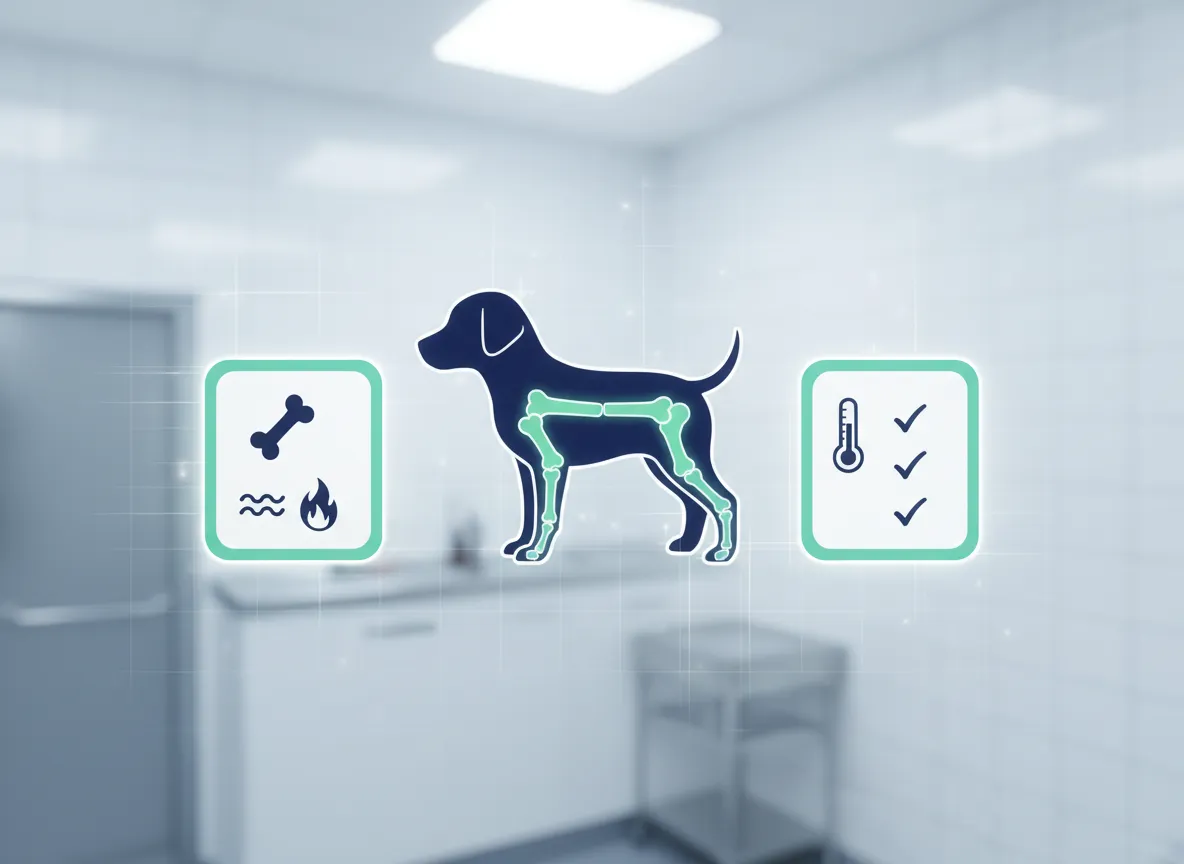
The Journey of Young Pups: Growth Pains and Recovery
As dog lovers, witnessing our playful puppies suddenly become lame can be puzzling and distressing. Two common culprits behind this are hypertrophic osteodystrophy (HOD) and panosteitis, both developmental conditions that affect large to giant breed puppies. Let’s delve into these conditions and discover how to support our furry friends through this phase.
Hypertrophic Osteodystrophy: The Weimaraner Story
If you own a Weimaraner or a Great Dane, you might have encountered HOD. These breeds are particularly susceptible to this painful condition which can lead to swelling around the joints. Puppies with HOD often experience severe pain, fever, and lethargy, and may even lose their appetite. Although this can sound daunting, most puppies outgrow the condition as their growth plates close, generally around 14 to 16 months for large breeds and up to 24 months for giant breeds.
Panosteitis: A German Shepherd’s Challenge
Panosteitis, often seen in German Shepherds, is another developmental issue where the pain tends to migrate from one leg to another, bewildering owners. This shifting lameness can affect the biggest pup in a litter, particularly males. Interestingly, there is a higher incidence of panosteitis in the fall and in the northeastern United States.
Despite the painful symptoms, most pups recover completely with the right care, growing into healthy adults.
Understanding Canine Developmental Lameness
What Causes These Conditions?
While the exact causes of HOD and panosteitis remain unclear, genetic factors are believed to play a significant role. Environmental factors, such as rapid growth and improper diet, might also contribute to the onset of these conditions.
Common Breeds Affected by HOD and Pano
Weimaraners
Breeds Susceptible to HOD
Weimaraners are highly susceptible to HOD.
German Shepherds
Breeds Susceptible to Pano
German Shepherds frequently experience panosteitis.
Recognizing the Symptoms
Identifying the signs early is crucial for treatment and management. While HOD often results in visible swelling and intense pain around joints, panosteitis presents as a shifting lameness that can be quite perplexing. Both conditions require veterinary attention for a definitive diagnosis, usually confirmed through X-ray imaging.
Treatment and Management
Managing these conditions involves pain relief and supportive care. Non-steroidal anti-inflammatory drugs (NSAIDs) are commonly prescribed to alleviate pain, alongside exercise restriction to prevent further stress on growing bones. Regular check-ups with your veterinarian are essential to monitor progress and adjust treatments as necessary.
Tips for Owners of Affected Puppies
- Provide a Balanced Diet: Ensure your puppy receives a balanced diet tailored to their specific breed needs. Use our Nutrition Planner to find the right nutrition plan.
- Regular Veterinary Visits: Schedule regular check-ups to monitor your puppy’s growth and catch any developmental issues early.
- Gentle Exercise: Encourage gentle play and avoid excessive running or jumping to prevent stress on young bones.
Tips for Managing Puppies with HOD or Pano
Ensure a balanced diet tailored to your puppy's breed needs.
Schedule regular veterinary check-ups.
Encourage gentle play to prevent stress on young bones.
Embracing the Journey
It's heartwarming to know that with proper care, most puppies affected by HOD or panosteitis will recover and lead happy, playful lives. Remember, each puppy is unique, and your love and care make all the difference in their recovery journey. For more insights on dog behavior and health, explore our Dog Behavior Guide and Daily Bonding Regimen.
For further reading on these conditions, you might find the resources at AKC and PetMD helpful.
Join our community of dog enthusiasts as we share experiences and support each other in providing the best for our furry family members. Visit our blog for more engaging stories and helpful tips.
You might also like
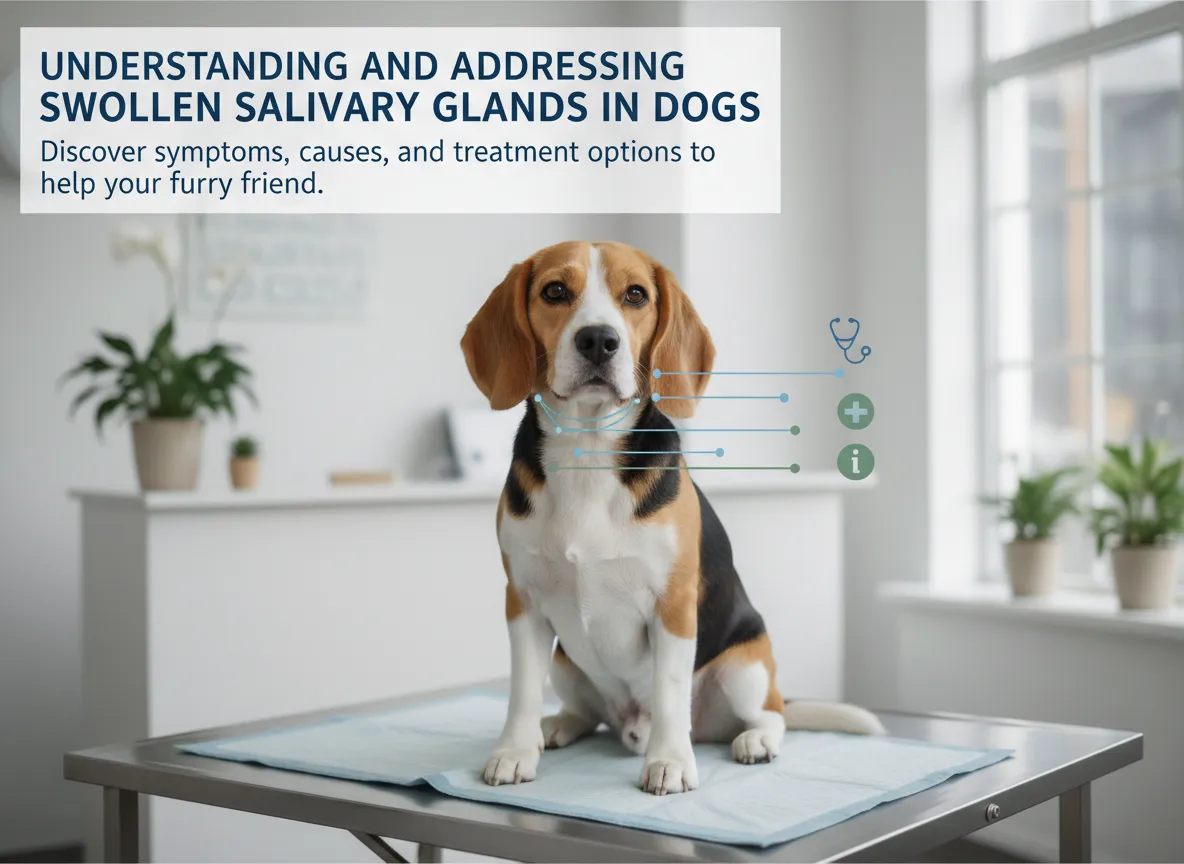
Understanding and Addressing Swollen Salivary Glands in Dogs
Mar 14, 2026
Swollen salivary glands in dogs can cause discomfort. Discover symptoms, causes, and treatment options to help your furry friend.
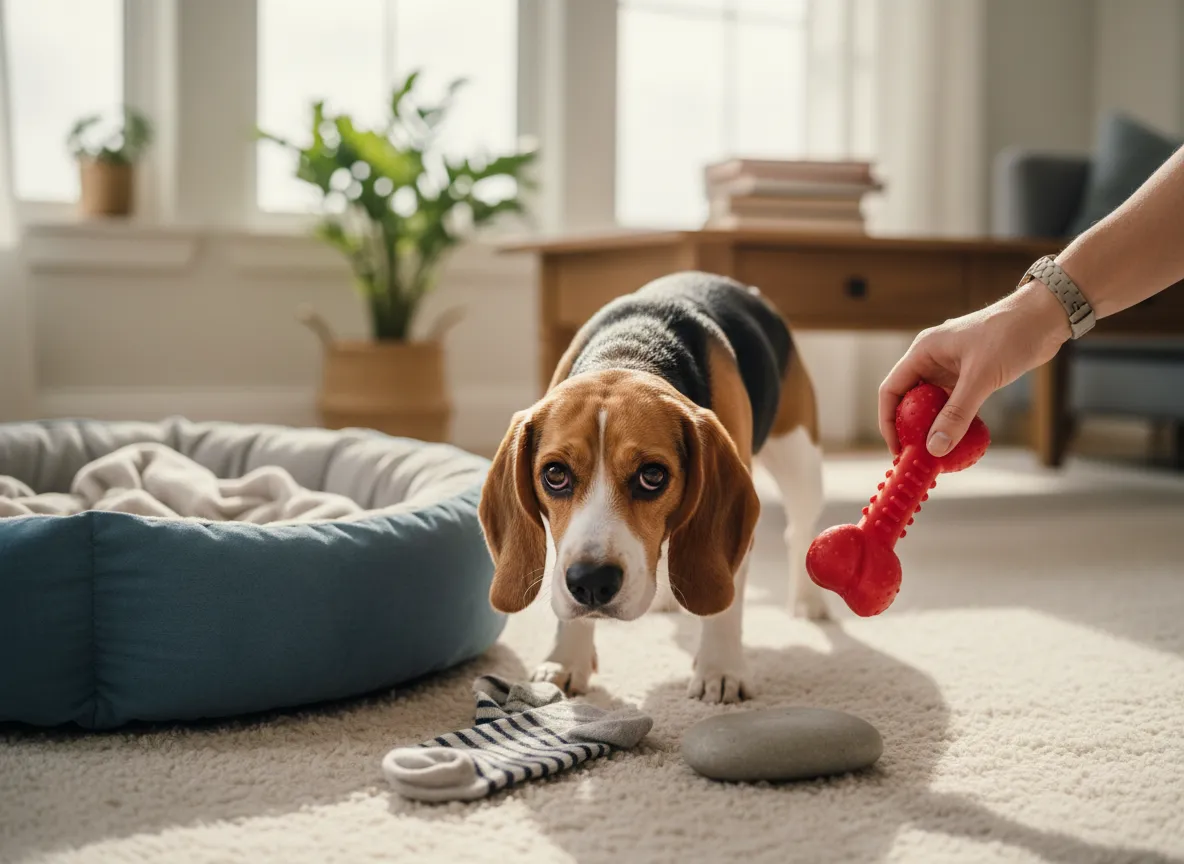
Why Do Dogs Chew on Socks and Rocks? Understanding Their Quirky Habits
Aug 15, 2026
Discover why dogs chew on unusual items like socks and rocks, and learn how to manage these behaviors effectively.
The Joy and Risks of Muddy Adventures with Your Dog
Jun 30, 2026
Discover the joys and hidden risks of letting your dog play in mud. Learn how to keep them safe and your home clean.
Comments
No comments yet. Be the first to comment!
Anbefalt Hundeopplæring


Vi kan motta en provisjon hvis du kjøper gjennom disse lenkene (uten ekstra kostnad for deg).