The Joy and Risks of Muddy Adventures with Your Dog
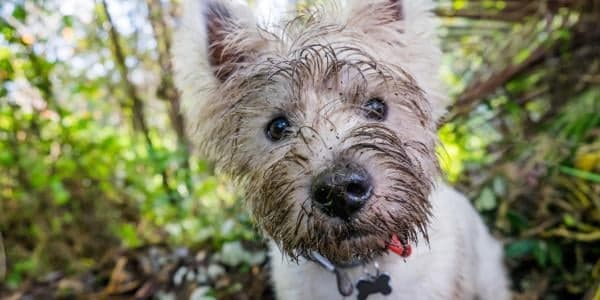
Muddy Fun: A Dog's Delight
For many dog owners, watching their furry friend leap into a mud puddle is a source of pure joy. There's something infectious about their enthusiasm as they splash and play, unbothered by the mess. However, while these muddy adventures can be delightful, they also carry hidden risks that pet owners should be aware of.
The Hidden Hazards in Mud
Mud is more than just dirt mixed with water; it's a complex blend of soil, organic material, and sometimes, contaminants. Depending on where your dog plays, mud can harbor bacteria such as E. coli and Salmonella, as well as parasites and traces of chemicals like pesticides or fertilizers. When dogs frolic in mud, these microorganisms can cling to their fur and paws, making their way into your home.
Health Implications for Dogs
When dogs ingest these bacteria or come into contact with parasites, it can lead to gastrointestinal issues such as vomiting or diarrhea. Moreover, the moist conditions of mud can cause skin irritations or infections, especially between the toes. Dogs with sensitive skin or allergies might exhibit redness or excessive licking after playing in mud.
Impact on Your Home
Once your dog tracks mud into the house, the contaminants can spread across floors, furniture, and even onto family members. This is particularly concerning for homes with young children or elderly individuals, as their immune systems are not as robust. Understanding these risks helps in taking precautionary measures to ensure a clean and safe environment.
Understanding Canine Hygiene
To prevent these issues, maintaining proper hygiene for your dog is crucial. Regular baths and thorough drying after muddy outings can significantly reduce the risk of infections or allergic reactions. Consider using a Dog Behavior Guide to understand more about your dog's grooming needs.
How to Safely Enjoy Muddy Playtime
- Regular Cleaning: Wipe your dog's paws and fur with a damp cloth or use pet-safe wipes immediately after play.
- Designated Areas: Encourage play in specific areas where the soil is less likely to be contaminated.
- Routine Vet Checks: Regular check-ups can help identify and treat any infections early.
- Use Protective Gear: Consider booties or protective clothing for your dog during muddy walks.
Practical Tips for Dog Owners
- Check the Environment: Assess play areas for potential hazards like fertilizers or sharp objects.
- Train for Cleanliness: Encourage your dog to wait and be cleaned before entering the house. Use our Training Guide for helpful tips.
- Health Monitoring: If your dog shows signs of discomfort or illness after muddy play, consult a vet immediately. PetMD offers a wealth of information on common canine conditions.
Tips for Safe Muddy Play
Check the play area for contaminants.
Wipe paws with pet-safe wipes after play.
Schedule regular vet visits.
Wrap-Up: Embrace the Adventure Safely
Letting your dog enjoy the great outdoors is essential for their happiness and health. By understanding the risks and taking preventive measures, you can ensure these adventures remain joyous without compromising safety. Explore our Daily Bonding Regimen for more ways to connect with your furry friend while keeping them safe.
You might also like
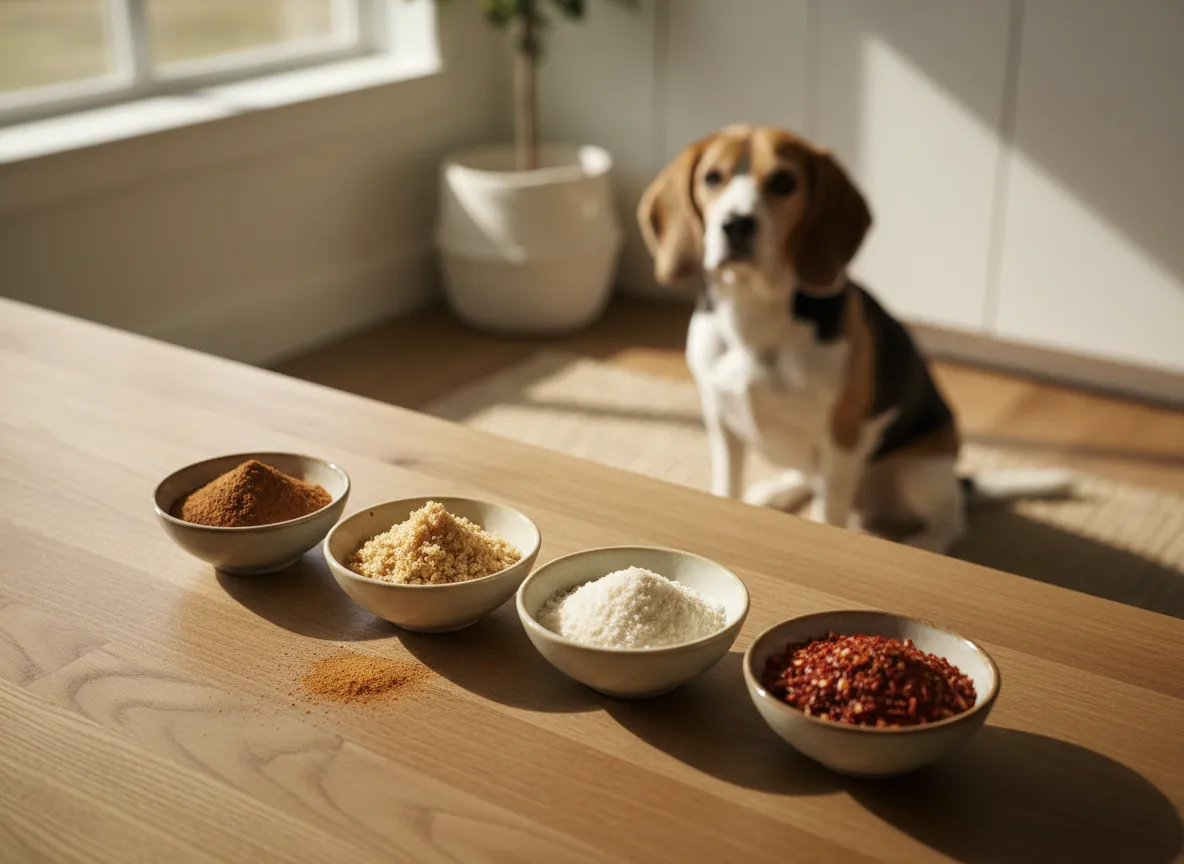
Unseen Kitchen Hazards: Spices That Can Harm Your Dog
Jun 10, 2026
Discover which kitchen spices are safe for dogs and which can lead to a trip to the vet. Protect your furry friend with this essential guide.
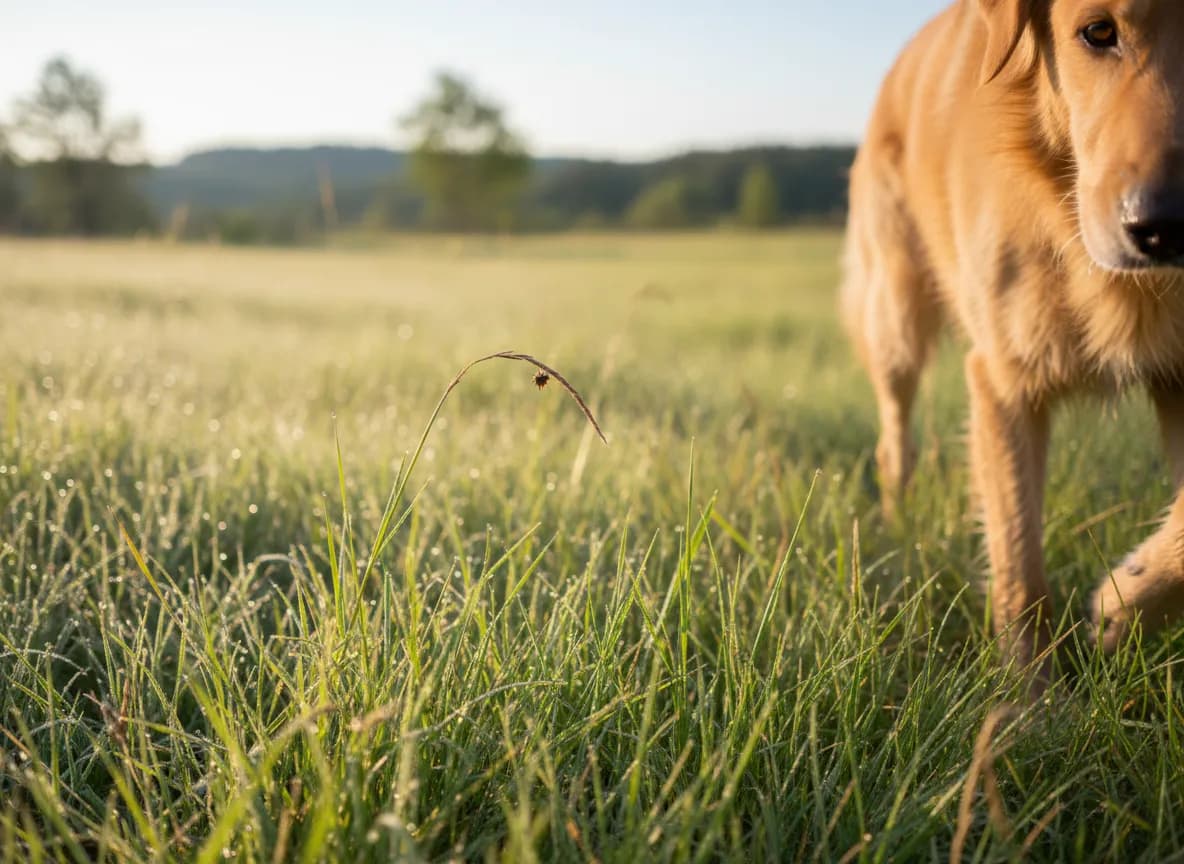
The Unseen Dangers Lurking in Tall Grass for Your Dog
Apr 4, 2026
Discover why even dead ticks pose a risk to your dog and learn how to safely remove them.
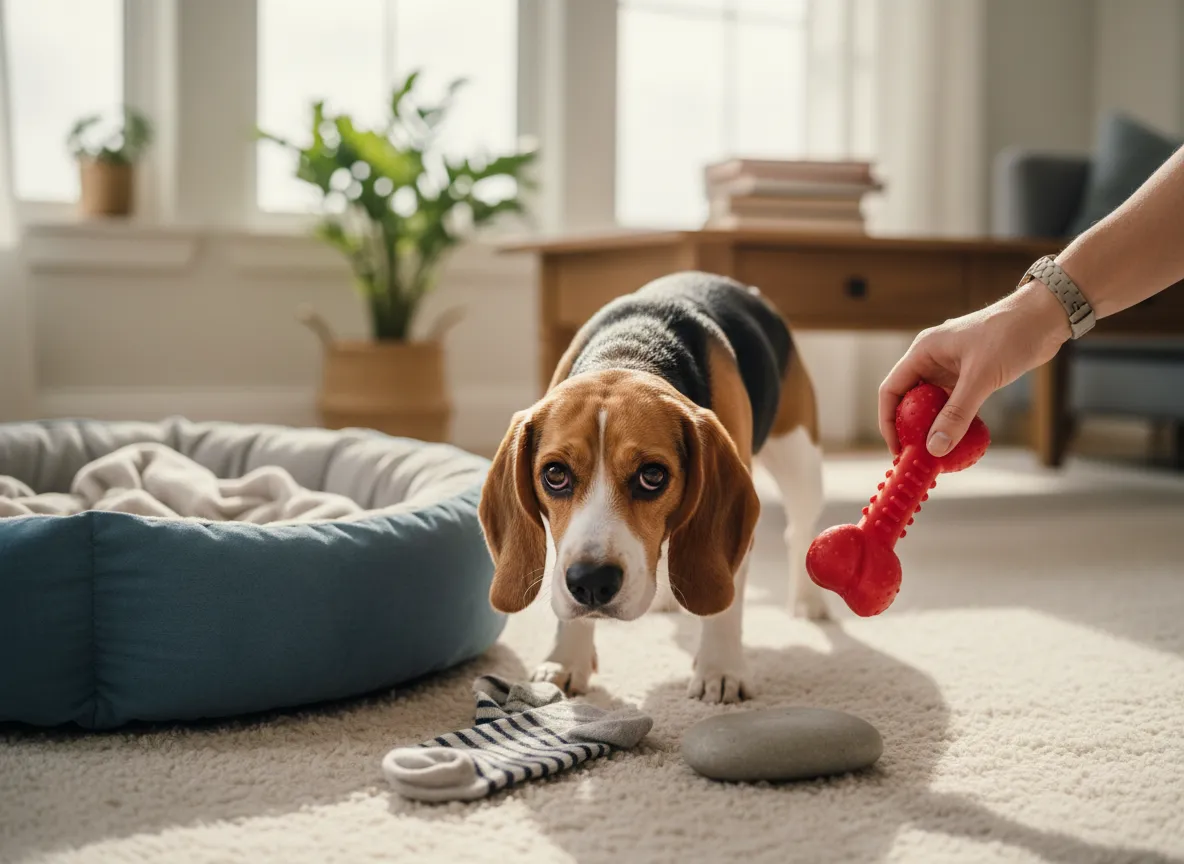
Why Do Dogs Chew on Socks and Rocks? Understanding Their Quirky Habits
Aug 15, 2026
Discover why dogs chew on unusual items like socks and rocks, and learn how to manage these behaviors effectively.
Comments
No comments yet. Be the first to comment!
Anbefalt Hundeopplæring


Vi kan motta en provisjon hvis du kjøper gjennom disse lenkene (uten ekstra kostnad for deg).