Exploring Cesar Millan's Legacy: Insights from a Dog Whisperer
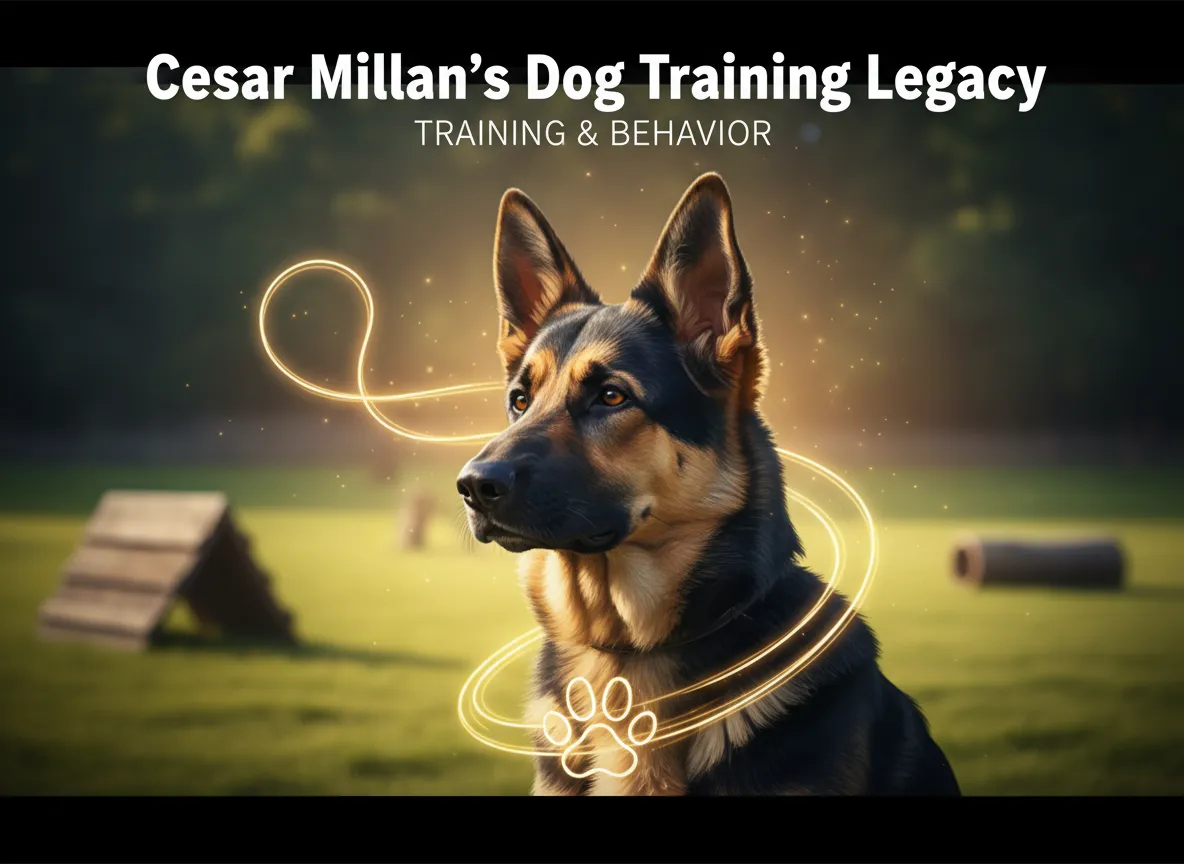
The Rise of a Dog Whisperer
For anyone who had a TV in the early 2000s and a love for dogs, Cesar Millan is a familiar name. Known as 'The Dog Whisperer,' Millan became a household name with his unique approach to dog training, captivating audiences for nine seasons. His methods and philosophies have significantly influenced dog owners and trainers around the world.
Millan's journey began in northern Mexico where he developed a deep understanding of canine behavior by observing his grandfather manage farm dogs. At 21, he crossed into the United States with a dream and little knowledge of English, but a passion for dogs that knew no bounds. A fortuitous friendship with actress Jada Pinkett Smith helped him learn the language and navigate from dog grooming to training, eventually leading to his television debut.
Understanding Cesar Millan's Philosophy
Cesar Millan's training philosophy revolves around the concept of dogs as pack animals governed by dominance hierarchies. This perspective suggests that dogs' behaviors are often the result of power struggles within their social structures. While his approach has garnered a massive following, it has also sparked significant debate among professionals in the field.
Millan's shows, including 'The Dog Whisperer' and 'Cesar 911,' have brought his methods to a broad audience, promoting them through television more than digital platforms. His belief in establishing a calm-assertive leadership has been both praised and criticized. The American Kennel Club provides further insights into different training philosophies, highlighting the diversity of approaches available to dog owners.
## Canine Behavior and Alternatives
Understanding dog behavior is crucial for any dog owner or trainer. While Millan's dominance-based methods emphasize hierarchy, modern canine psychology often advocates for positive reinforcement and understanding individual dog needs. Research suggests that dogs thrive in environments where they are rewarded for good behavior rather than corrected for missteps.
Positive Reinforcement: This method focuses on rewarding desirable behaviors, encouraging dogs to repeat them. It’s a technique widely supported by many trainers and animal behaviorists.
Understanding Communication: Dogs communicate through body language and vocalizations. Being attuned to these cues can help owners respond appropriately and strengthen the bond with their pets. Our Dog Behavior Guide offers detailed insights into interpreting canine signals.
Effective Dog Training Tips
Maintain consistent commands.
Use positive reinforcement techniques.
Consider professional guidance.
Practical Tips for Dog Training
- Consistency is Key: Maintain consistent commands and routines to help your dog understand expectations.
- Patience and Positivity: Approach training with patience, rewarding positive behavior to encourage repetition.
- Professional Guidance: Consider consulting certified trainers for personalized advice. Our Training Guide can be a useful resource.
Wrapping Up
Cesar Millan has undeniably left a mark on the world of dog training. While his methods may not align with every modern practice, they have opened dialogues about training philosophies. Whatever approach you choose, understanding your dog's unique needs is paramount. Discover more about your dog's behavior and training options by visiting our blog.
You might also like

Why Dogs Patiently Wait for Their Humans
Aug 11, 2026
Discover why your dog is always at your side and learn the heartwarming reasons behind their loyal waiting.

A Heartwarming Tale of Harmony Between Two Dogs
Jul 14, 2026
Discover how a rescue dog and an older dog found peace together, and learn tips for managing multi-dog households.

Understanding Canine Conversations: A Guide to Dog Communication
May 20, 2026
Dive into the fascinating world of how dogs communicate using body language, expressions, and more. Enhance your bond with your furry friend!
Comments
No comments yet. Be the first to comment!
Anbefalt Hundeopplæring


Vi kan motta en provisjon hvis du kjøper gjennom disse lenkene (uten ekstra kostnad for deg).