New Insights into Reducing Elbow Dysplasia in Labrador Retrievers

Why You Should Care About Elbow Health in Labradors
Imagine preparing your Labrador for a life of service, seeing their potential to become a wonderful assistance dog. Yet, during training, they develop a limp, and you hear the diagnosis: elbow dysplasia. This condition, a top reason for excluding dogs from service, is not just a setback for your dog but also contributes to long waiting lists for those in need of assistance dogs. Understanding and predicting this condition could change the future for Labradors everywhere.
The Research: Predicting Elbow Dysplasia
A recent study published in Frontiers in Veterinary Science by researchers focused on Labrador Retrievers, known for their service capabilities, sheds light on new predictive measures for elbow dysplasia. The study evaluated if specific features detected via CT scans can predict medial coronoid disease (MCD), a common form of canine elbow dysplasia (CED).
Conducted in Labrador Retrievers from two assistance dog breeding programs, the study used CT scans to score six features in the parents. The strongest predictor of MCD in their offspring was found to be sclerosis of the coronoid process (CP) with an odds ratio of 4.6, indicating a significant risk increase. This finding was consistent across multiple assessments, showing high inter-rater agreement and heritability.
What This Means for Dog Owners
For Labrador owners and breeders, this research offers a beacon of hope. By incorporating CT-based screening for CP sclerosis into breeding protocols, we can significantly reduce the prevalence of elbow dysplasia in future generations. This not only enhances the health of individual dogs but can also improve their effectiveness and longevity as service animals.
Moreover, this approach might eventually reduce the number of dogs removed from service programs due to health issues, shortening wait times for those in need of assistance.
Practical Takeaways
- Consider CT scanning if you're breeding Labradors, focusing on detecting CP sclerosis.
- Use the Breeding Guide to integrate these findings into your breeding strategy.
- If you're planning to adopt a Labrador, use the Lifestyle Matcher to find a dog with a lower risk of CED.
- Regular check-ups with a vet can help manage and monitor elbow health.
Key Findings on Elbow Dysplasia
4.6
Odds Ratio
Increased risk of MCD due to CP sclerosis
High
Heritability
CP sclerosis shows strong heritability
A Note on the Evidence
While this study provides promising insights, it's based on observations from specific breeding programs. More extensive studies across various breeds and settings could further validate these findings. As always, stay updated with ongoing research and consult your veterinarian for tailored advice.
Steps to Reduce Elbow Dysplasia Risk
Engage in CT scanning for breeding Labradors.
Integrate findings into breeding strategies.
Regular veterinary check-ups for early detection.
You might also like

Top Tips for Storing Your Dog's Food Freshly and Securely
Aug 26, 2026
Discover the best ways to store your dog's food to maintain freshness and nutrition. Secure your pantry and keep pests away!
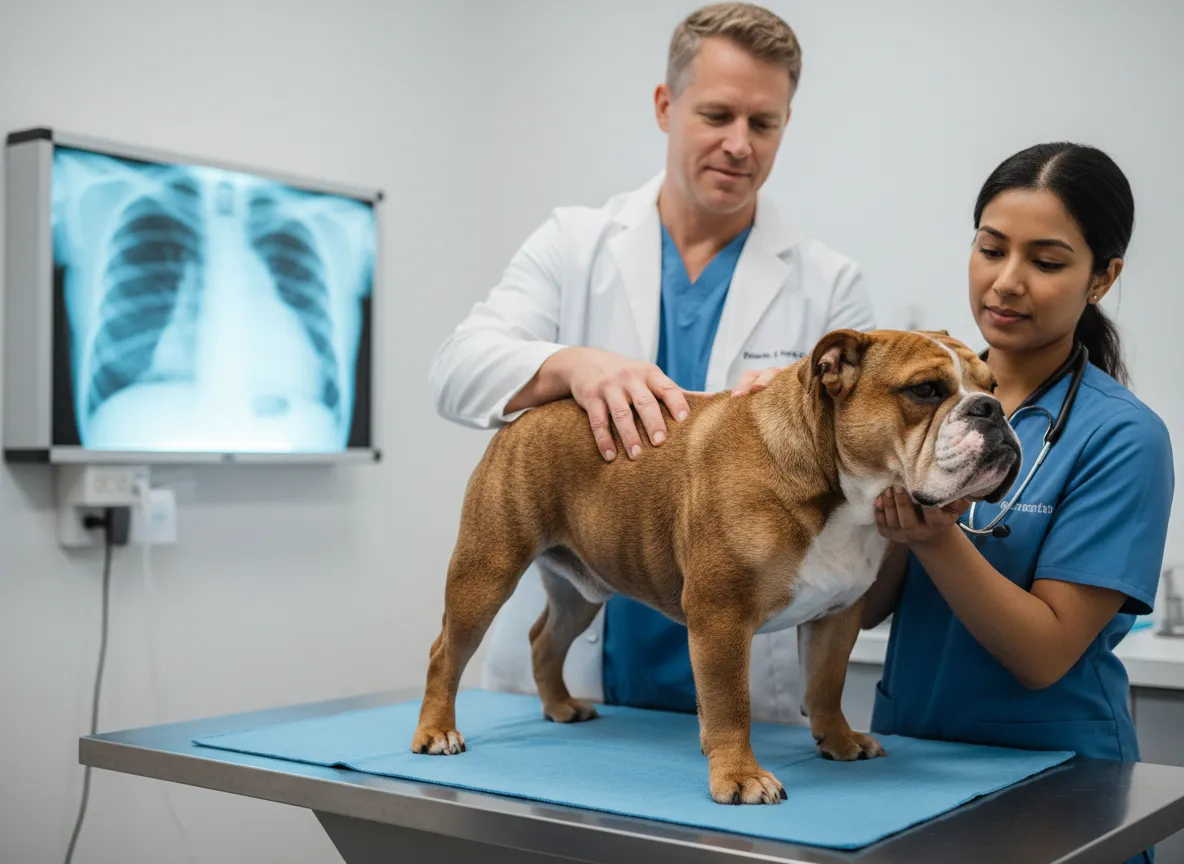
Understanding Short Spine Syndrome in Dogs: A Look at Recent Findings
Aug 24, 2026
Discover how short spine syndrome, as seen in the viral raccoon 'Jimothy', can also affect dogs, and what it means for your pet's health.
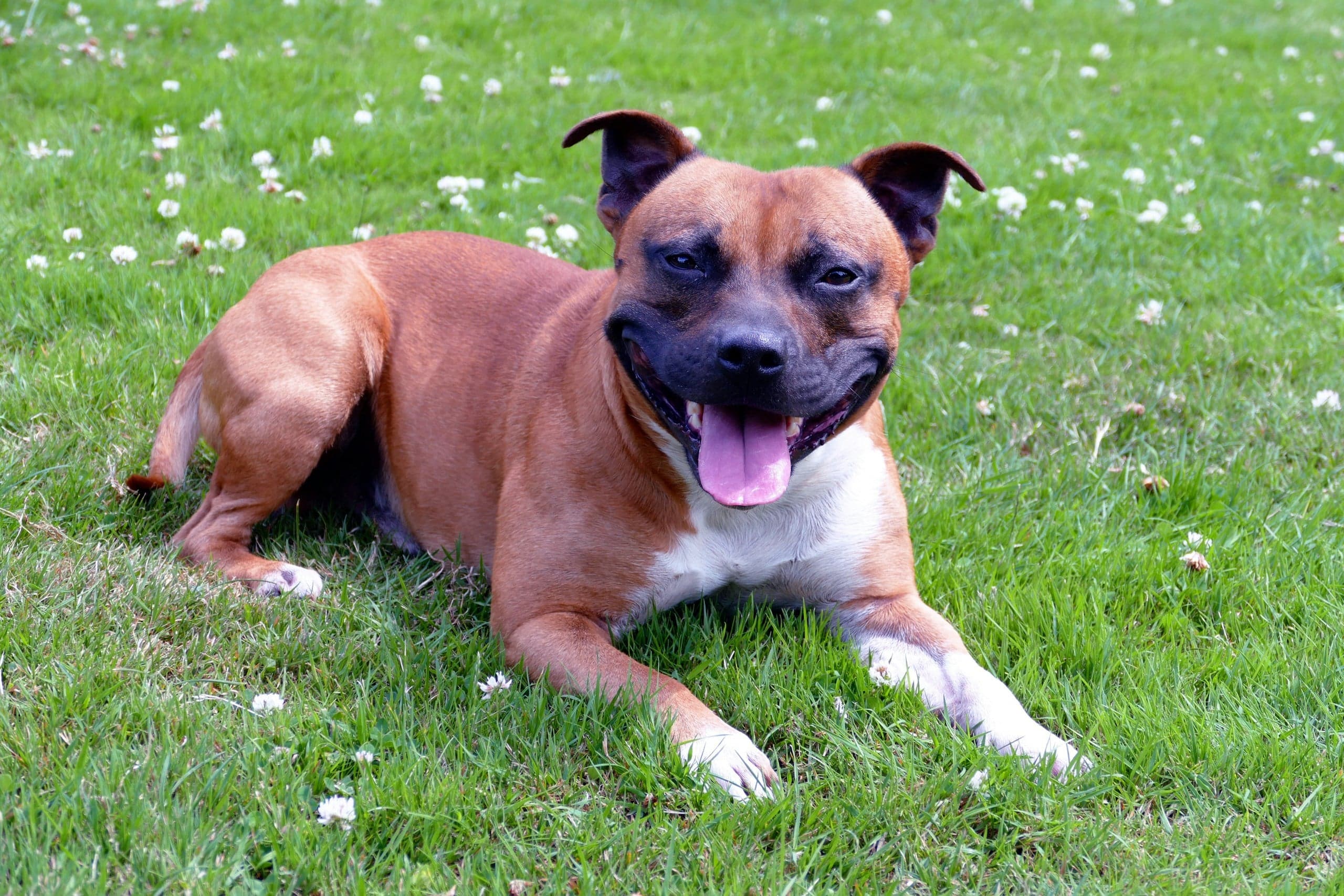
Understanding Pit Bull Health: A Guide for Loving Owners
Jul 27, 2026
Discover common health issues in Pit Bulls and learn how to keep your furry friend healthy and happy.
Comments
No comments yet. Be the first to comment!
Anbefalt Hundeopplæring


Vi kan motta en provisjon hvis du kjøper gjennom disse lenkene (uten ekstra kostnad for deg).