Managing Severe Separation Anxiety in Rescue Dogs
Understanding Separation Anxiety in Rescue Dogs
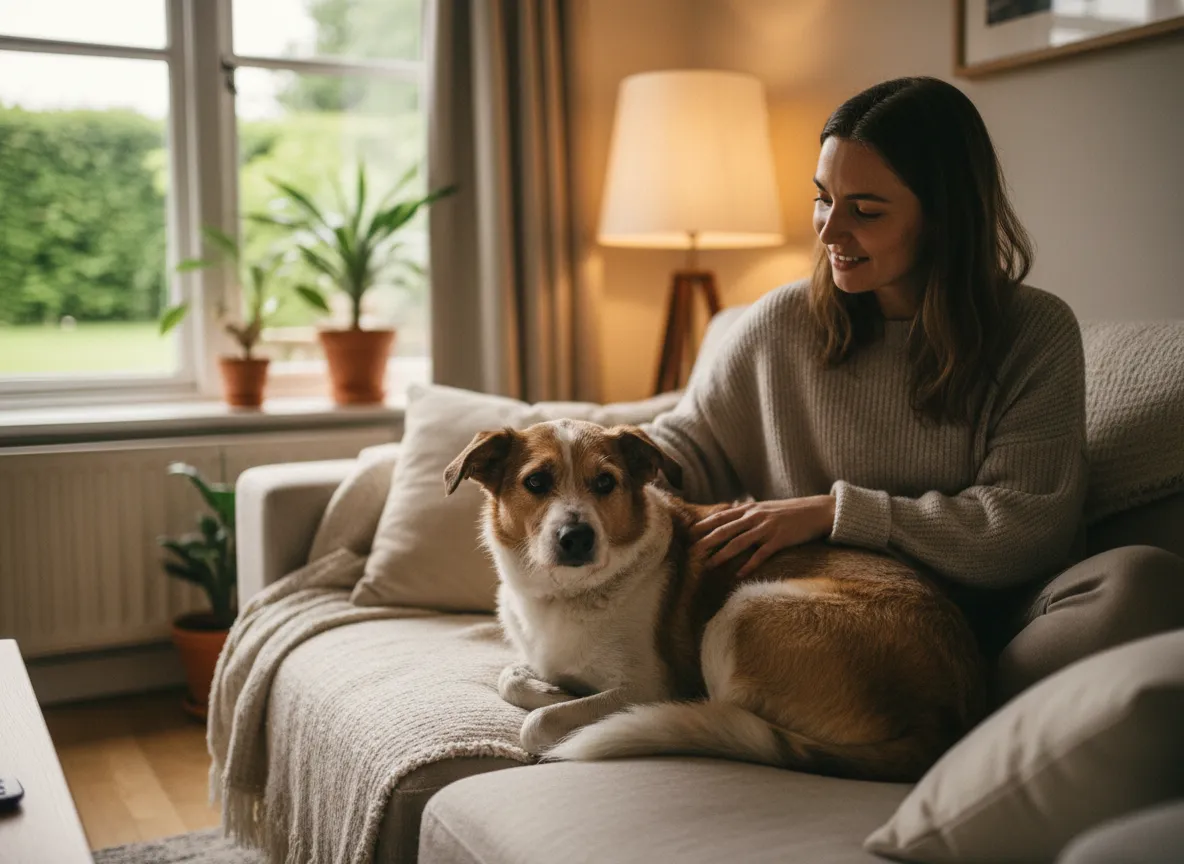
Separation anxiety can be especially prevalent in rescue dogs due to their tumultuous pasts. Your six-year-old Terrier, with his one-eyed gaze and history of trauma, is no exception. As you and your fiancée notice his growing clinginess, it's crucial to address this issue compassionately and effectively.
Signs of Severe Separation Anxiety
Recognizing the signs of separation anxiety is the first step towards helping your dog:
- Excessive barking or howling when left alone
- Destructive behaviors like chewing furniture
- Pacing or restlessness
- Attempting to escape from confinement
- Urination or defecation indoors
Practical Steps to Ease Anxiety
Here are actionable steps you can take to alleviate your Terrier's anxiety:
Create a Safe Space
- Designate a comfortable, secure area in your home for your dog to retreat to when you're away.
- Include his favorite toys and a cozy bed.
Establish a Routine
Keeping a consistent schedule can help your dog feel more secure:
- Feed, walk, and play with your dog at the same times daily.
- Gradually introduce short departures to get him accustomed to being alone.
Use Technology to Your Advantage
- Consider a dog camera to check in and talk to your dog when you're not home.
- Play calming music or leave a pet-friendly TV channel on.
Training Techniques
Desensitization
- Begin by leaving the house for very short periods, then gradually increase the time.
- Reward your dog for calm behavior upon return.
Counterconditioning
- Pair your departures with something positive, like a treat-dispensing toy.
- This can help shift his emotional response from fear to anticipation.
When to Seek Professional Help
If your dog's anxiety seems insurmountable, professional assistance may be necessary:
- Consult a veterinarian to rule out any medical causes.
- Consider enlisting the help of a professional dog trainer or behaviorist.
Tools to Assist
- Check our toxic foods checker to ensure treats used in training are safe.
- Explore our breed guide for more insights on how to handle specific behaviors typical in Terriers.
Helping your dog overcome separation anxiety is a journey that requires patience and consistency. With time and love, your Terrier can learn to feel at ease when you're not by his side.
Conclusion
Remember, every small step you take towards addressing your dog's anxiety can lead to significant improvements in his quality of life. By implementing these strategies and remaining patient, you create a safe and loving environment for your loyal companion.
Separation anxiety is one of the most common behavioral challenges in rescue dogs. Our Training Guide offers step-by-step techniques for building your dog's confidence. The ASPCA's guide to separation anxiety provides in-depth professional advice. You can also use our Dog Behavior Guide to identify stress signals early, and our Daily Bonding Regimen to build trust over time.
Creating a Safe Space for Your Anxious Dog
One of the most effective strategies for managing separation anxiety is creating a dedicated "safe zone" for your dog. This should be a quiet area of your home where your dog feels secure — often a crate (if crate-trained), a specific room, or a corner with their bed and favorite toys. The key is to build positive associations with this space long before using it during absences.
Start by feeding meals in the safe zone, offering high-value treats there, and spending quiet time nearby while your dog relaxes. Over time, your dog will learn to associate this area with comfort and calm. When you do need to leave, your dog has a familiar retreat that feels predictable and secure.
According to veterinary behaviorists at the ASPCA, severe cases may benefit from a combination of behavior modification and medication. Anti-anxiety medications prescribed by your vet can lower your dog's baseline stress level, making behavior modification techniques more effective. This is not a sign of failure — it is a compassionate approach that addresses the neurochemical imbalance driving the anxiety.
Technology Tools for Monitoring Anxious Dogs
Modern technology can be a valuable ally in managing separation anxiety:
- Pet cameras with two-way audio allow you to check on your dog and speak to them in a calming voice during the day. Some cameras even dispense treats remotely.
- Calming music playlists designed specifically for dogs can help mask environmental triggers like sirens, delivery trucks, or neighbor noises. Studies show classical music and reggae reduce stress behaviors in sheltered dogs.
- Puzzle feeders and automated treat dispensers can keep your dog mentally engaged during your absence, turning alone time into enrichment time. Find highly rated options with our Product Research tool.
Remember that overcoming separation anxiety is a marathon, not a sprint. Progress is often measured in small increments — your dog staying calm for 30 seconds longer than yesterday is a genuine victory. Celebrate these milestones and be patient with setbacks. With consistent effort and the right support, most dogs can learn to feel safe even when their favorite person is not home. Our Training Guide has detailed desensitization protocols you can follow at your own pace.
You might also like
Why Dogs Patiently Wait for Their Humans
Aug 11, 2026
Discover why your dog is always at your side and learn the heartwarming reasons behind their loyal waiting.

6 Heartwarming Signs Your Dog Truly Trusts You
Aug 8, 2026
Discover the subtle signs that reveal your dog’s deep trust and learn how to nurture this precious bond.
Decoding the 'Guilty' Look: Do Dogs Really Feel Guilt?
Jul 19, 2026
Discover the truth behind your dog's 'guilty' look and what it really means for their behavior.
Comments
No comments yet. Be the first to comment!
Anbefalt Hundeopplæring


Vi kan motta en provisjon hvis du kjøper gjennom disse lenkene (uten ekstra kostnad for deg).