How to Help Your Lost Dog Survive Cold Temperatures
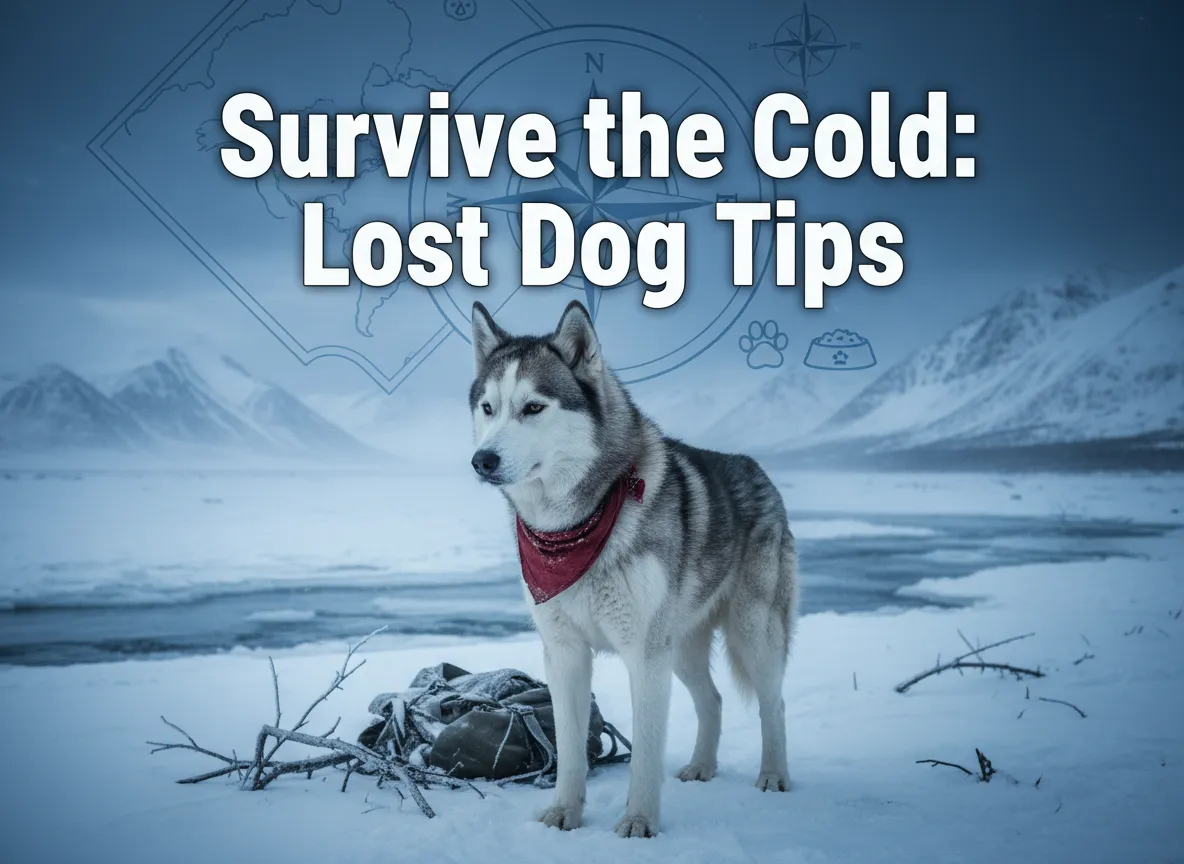
Helping Your Lost Dog Survive Cold Temperatures
The bond between you and your dog is unbreakable, making the thought of them lost in freezing temperatures deeply concerning. Whether you are dealing with a recent escape or preparing for an unforeseen event, understanding the risks and actions to take is crucial.
Top Tips for Finding Your Lost Dog
Organize a search party immediately.
Use familiar scents to lure them home.
Alert local communities and use social media.
The Risks of Cold Temperatures
Dogs, especially smaller breeds, are not naturally equipped to handle extreme cold for extended periods. Their survival depends on various factors, including size, coat type, health, and the immediate environment. Dogs lose heat faster in cold conditions, making hypothermia a significant concern.
Signs of Hypothermia
Hypothermia occurs when a dog's body temperature falls significantly below normal, leading to life-threatening conditions. Symptoms to watch for include:
- Shivering
- Lethargy
- Weak pulse
- Cold ears and paws
- Difficulty breathing
Understanding these symptoms can prepare you to act swiftly if your dog is found.
Immediate Steps to Take
If your dog goes missing in cold weather, acting quickly is vital.
Search and Rescue Strategy
- Organize a Search Party: Gather friends, family, and neighbors to cover more ground. Coordinate efforts and assign areas to increase the chances of finding your dog.
- Use Familiar Scents: Leave out items that carry your scent, like clothing or bedding, to attract your dog back home.
- Alert the Community: Post on local social media groups and put up flyers. Consider using GPS tracking devices if your dog wears one.
Shelter and Warmth
Even if your dog is outside, they may find shelter under vehicles or in garage corners. Check these places thoroughly.
- Provide warm bedding if you suspect your dog is nearby.
- Use warm, not hot, water bottles wrapped in towels to create temporary heating sources.
Improving Survival Odds
Increasing your dog's chances of surviving cold temperatures involves both immediate and preparatory actions.
Proper Nutrition
Feeding your dog high-energy foods can help them maintain their body heat. Consider using our Nutrition Planner to ensure your dog has a balanced diet rich in necessary nutrients.
Clothing and Gear
Invest in weather-appropriate gear like dog sweaters and booties, which can provide crucial insulation if your dog is outside unexpectedly.
When to Seek Professional Help
If your dog has been exposed to freezing temperatures and shows signs of hypothermia or frostbite, immediate veterinary care is necessary. Keep your vet's contact information readily available and consult our Dog Behavior Guide for additional advice on handling such situations.
Conclusion
While the fear of a lost dog in cold weather is daunting, taking proactive steps can make a difference. By understanding the risks, acting swiftly, and preparing in advance, you can improve your dog's chances of a safe return. Join the conversation on our blog to share experiences and learn more about keeping your furry friend safe.
You might also like
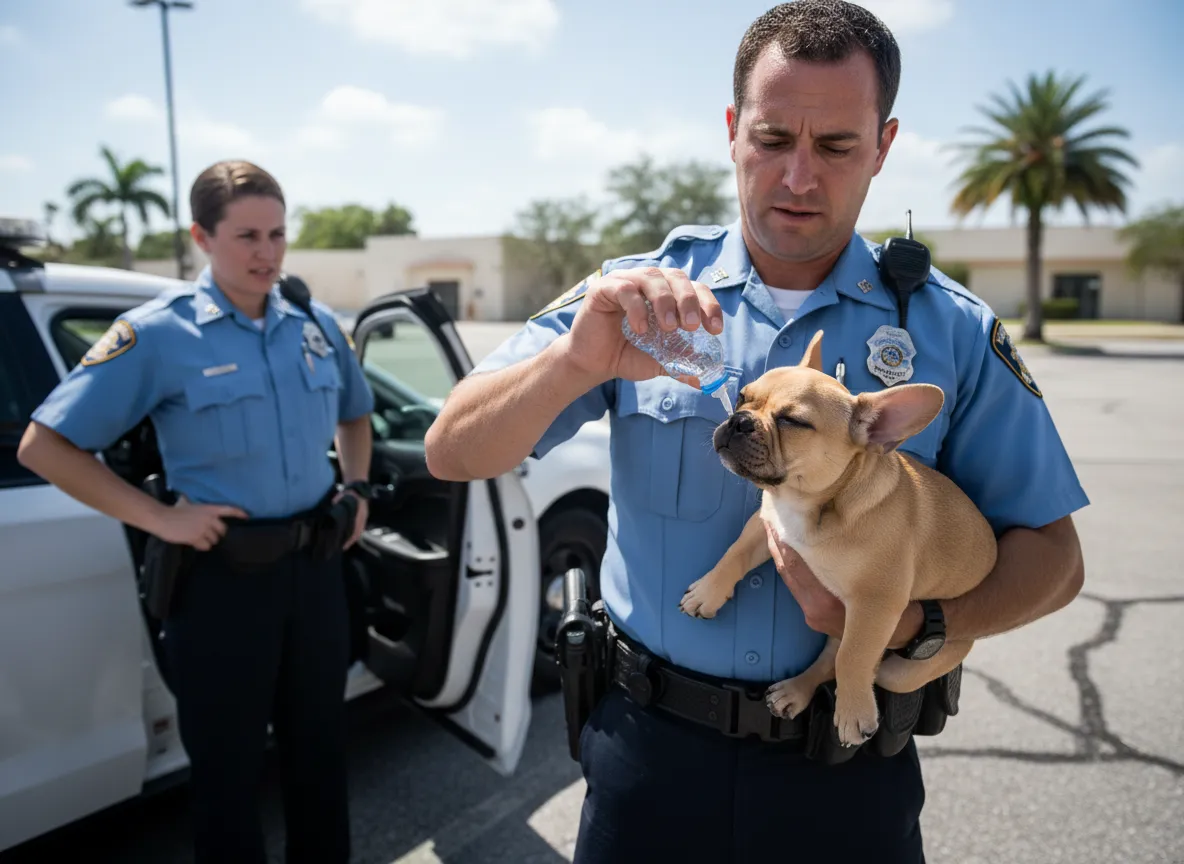
Courageous Officers Rescue Puppy from Overheated Car in Florida
Jun 7, 2026
Under the Florida sun, officers heroically saved a puppy from a sweltering car, highlighting the dangers of leaving pets in vehicles.
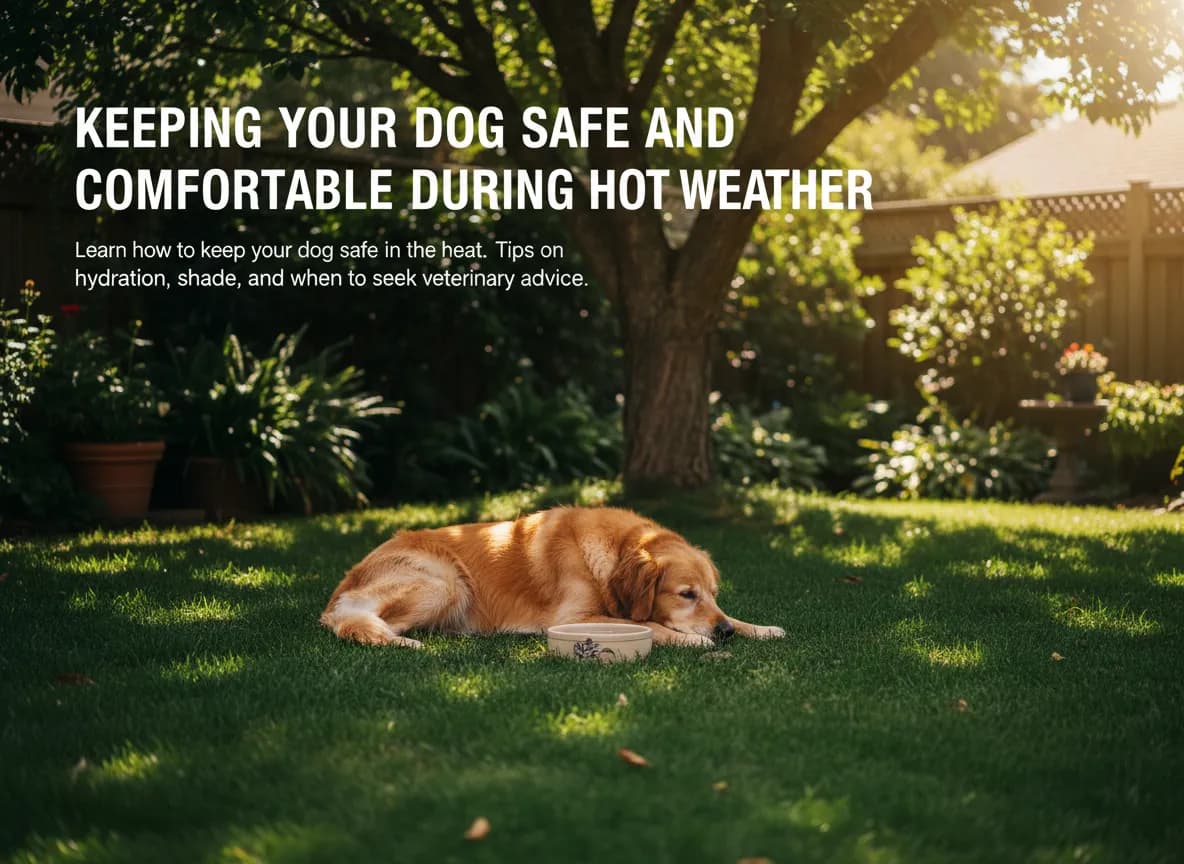
Keeping Your Dog Safe and Comfortable During Hot Weather
Mar 12, 2026
Learn how to keep your dog safe in the heat. Tips on hydration, shade, and when to seek veterinary advice.
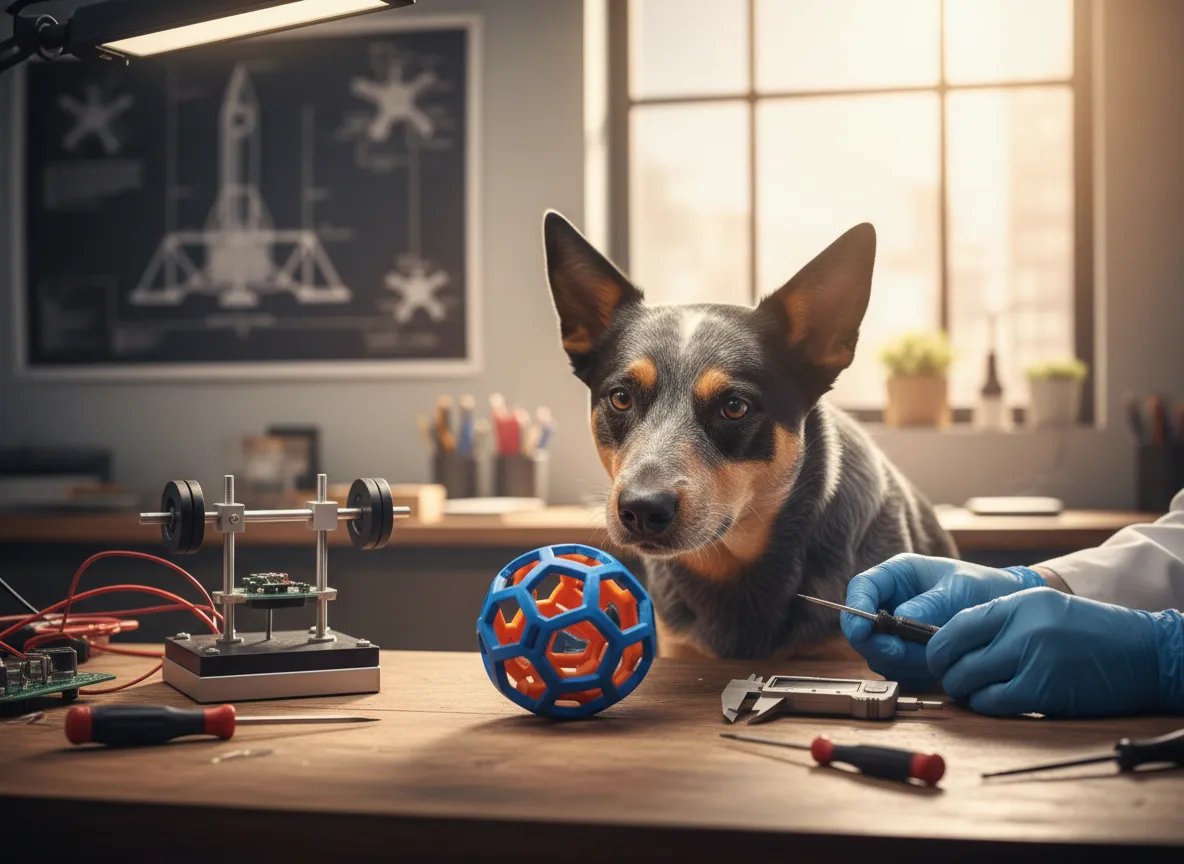
From Space Rockets to Dog Toys: A Scientist's Journey of Innovation
Aug 22, 2026
Discover how a NASA scientist's passion for dogs led to the creation of a safer, innovative dog toy.
Comments
No comments yet. Be the first to comment!
Anbefalt Hundeopplæring


Vi kan motta en provisjon hvis du kjøper gjennom disse lenkene (uten ekstra kostnad for deg).