Why Potty Training Feels Mentally Exhausting: Tips to Ease the Process
Introduction
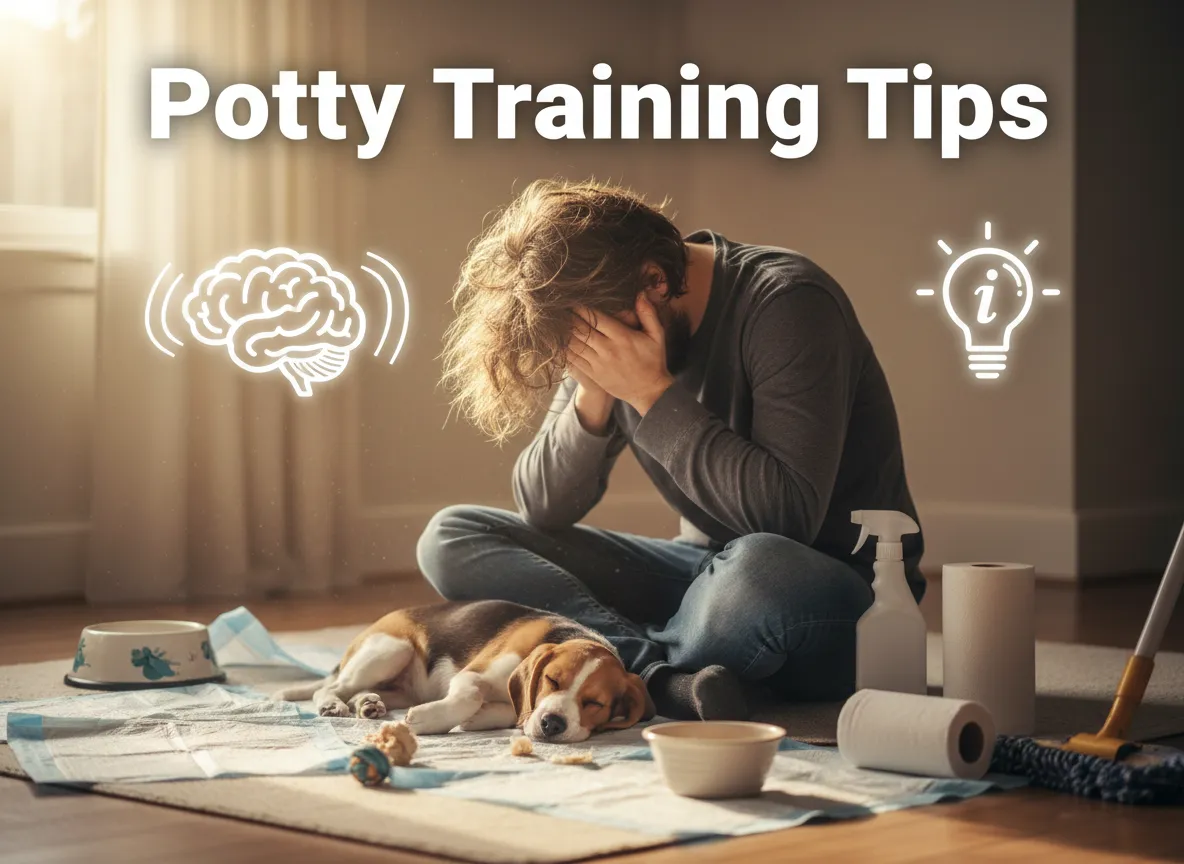
Potty training your dog is often seen as a rite of passage for new pet owners. While many anticipate the messes, few are prepared for the mental exhaustion that comes with it. Watching every sniff, circle, or pause in anticipation of an accident can be draining. However, understanding why this process feels so demanding can help you approach it with more patience and less stress.
Understanding the Mental Exhaustion
The mental toll of potty training stems from constant vigilance. It requires you to be alert and responsive at all times, interpreting every behavior as a potential signal. This mental workload is compounded by the unpredictability of a dog's schedule. Unlike a physical task, which can be scheduled and completed, potty training requires ongoing attention and adaptation.
Why It's Mentally Exhausting
- Constant Monitoring: You need to keep an eye on your dog at all times, which can be mentally taxing.
- Erratic Schedules: Dogs don't follow a predictable potty schedule, increasing unpredictability.
- Behavior Analysis: Trying to interpret your dog's signals demands focus and analysis.
Strategies to Ease the Mental Load
Set a Consistent Routine
Establishing a consistent routine can greatly reduce the unpredictability of potty training. Take your dog out at the same times each day, such as after meals, naps, and playtime. This consistency helps your dog understand when it's time to go, and over time, you'll become more attuned to their signals.
Use Crate Training
Crate training can be an effective tool in potty training. Dogs naturally avoid soiling their sleeping area, so using a crate can help reinforce good habits. Ensure the crate is comfortable and not used as a punishment, so your dog sees it as a safe space.
Tips to Ease Potty Training
Set a consistent routine for potty breaks.
Use crate training to reinforce good habits.
Reward your dog immediately after successful potty breaks.
Stay patient and calm during the process.
Positive Reinforcement
Reward your dog immediately after they eliminate outside. This positive reinforcement helps them associate going potty outside with a reward, making them more likely to repeat the behavior. Consistent rewards can accelerate the potty training process.
You can find more tips on training in our Training Guide.
Practical Tips
- Regular Breaks: Give yourself and your dog regular breaks to prevent frustration.
- Use a Timer: Set a timer to remind you when it's time for a potty break.
- Record Patterns: Keep a log of when your dog typically needs to go, which can help anticipate needs.
- Stay Calm: Mistakes happen, stay calm and patiently redirect your dog.
When to See a Professional
If you find that potty training is not progressing or your dog seems excessively stressed, it may be time to consult a professional dog trainer or a veterinarian. Persistent indoor accidents or uncharacteristic behavior might indicate a health issue or a need for a tailored training approach.
Conclusion
While potty training can be mentally exhausting, understanding its challenges can help you approach it with patience and optimism. By setting a routine, using positive reinforcement, and being prepared for the unpredictability, you can ease the mental load and create a successful potty training experience. For more detailed guidance, explore our Dog Behavior Guide and other resources on our blog.
You might also like
Why Dogs Patiently Wait for Their Humans
Aug 11, 2026
Discover why your dog is always at your side and learn the heartwarming reasons behind their loyal waiting.

6 Heartwarming Signs Your Dog Truly Trusts You
Aug 8, 2026
Discover the subtle signs that reveal your dog’s deep trust and learn how to nurture this precious bond.
Decoding the 'Guilty' Look: Do Dogs Really Feel Guilt?
Jul 19, 2026
Discover the truth behind your dog's 'guilty' look and what it really means for their behavior.
Comments
No comments yet. Be the first to comment!
Anbefalt Hundeopplæring


Vi kan motta en provisjon hvis du kjøper gjennom disse lenkene (uten ekstra kostnad for deg).