Why Dog Poop Isn't the Fertilizer You Think It Is
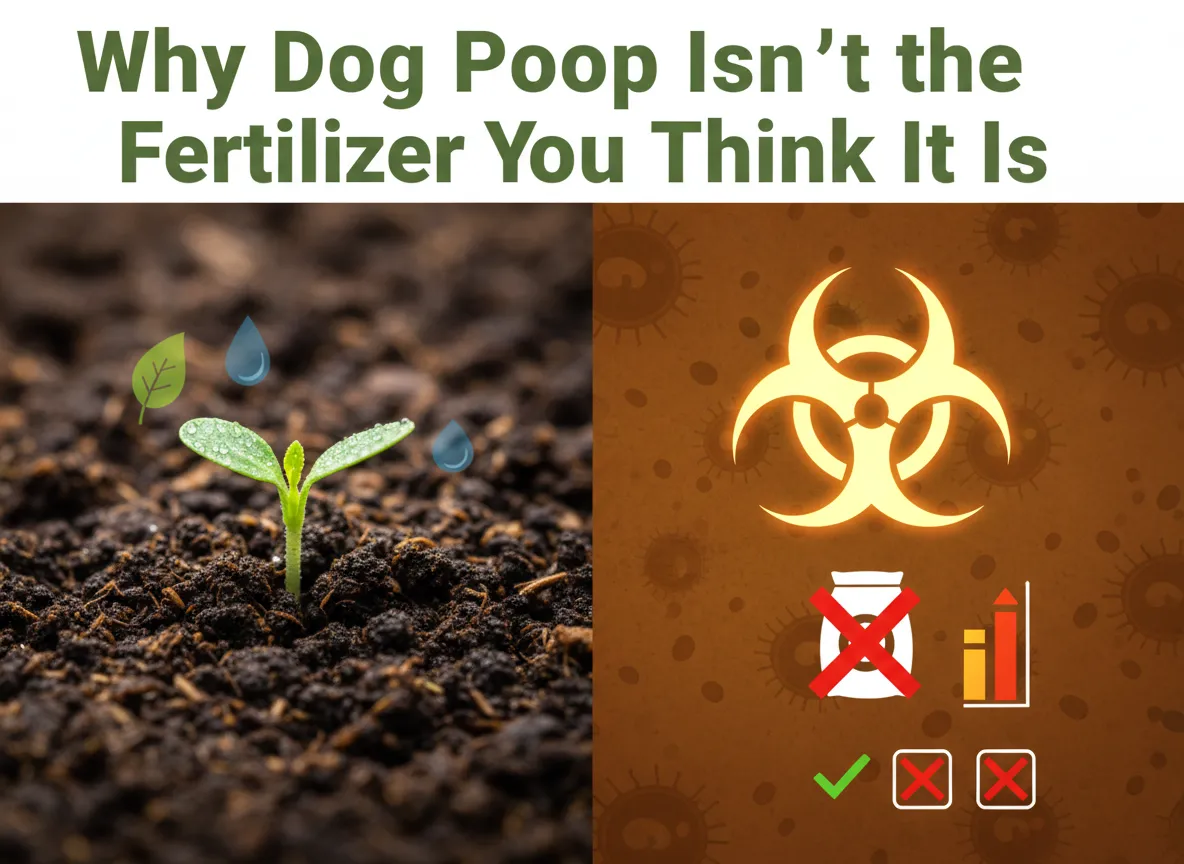
A Common Misconception
It's a scenario many dog owners have found themselves in. After cleaning up after your furry friend, you might glance at your garden and wonder if that pile of poop could serve as free fertilizer. It seems logical—after all, manure from cows and chickens enriches the soil, so why not dog waste?
However, the reality is quite different. Unlike herbivore manure, dog feces are not suitable for promoting plant growth. In fact, they can be hazardous to your garden's health and your own.
Why Dog Waste Doesn’t Work
To understand the issue, we need to look at the source. Herbivores like cows and horses have diets that create manure rich in organic matter and beneficial nutrients. Their digestive systems break down cellulose, resulting in a product that enhances soil structure.
Dogs, on the other hand, are primarily carnivorous. Their diets are high in protein, leading to waste that is rich in nitrogen and salts, which can harm plants rather than help them. According to landscaping expert Gene Caballero, dog waste can "burn grass and create dead spots" due to its unbalanced nutrient content.
Health Risks of Using Dog Poop
Beyond being ineffective as fertilizer, dog poop poses significant health risks. It can contain harmful bacteria and parasites, such as E. coli, Salmonella, and roundworms, which can linger in the soil for months. Heavy rains might even wash these contaminants into local water bodies, posing environmental hazards.
The Centers for Disease Control and Prevention (CDC) warns about the dangers of Toxocara canis, a parasite in dog feces that can cause serious health issues if humans ingest the microscopic eggs. This makes using dog waste in gardens particularly risky.
The Environmental Impact
The environmental consequences of using dog poop as fertilizer extend beyond your garden. Runoff from contaminated soil can lead to water pollution, affecting aquatic life and potentially entering human food and water sources. Proper disposal of dog waste is crucial to prevent such scenarios.
Dog Waste vs. Herbivore Manure
| Dog Waste | Herbivore Manure | |
|---|---|---|
| Nitrogen Content | High | Moderate |
| Pathogens | Yes | No |
| Soil Benefit | Negative | Positive |
Alternatives to Dog Waste Fertilizer
Instead of using dog poop, consider these safer and more effective options for fertilizing your garden:
- Compost: Utilize kitchen scraps and yard waste to create rich compost.
- Organic Fertilizers: Use commercially available organic fertilizers designed for specific plant needs.
- Manure from Herbivores: Choose manure from cows, sheep, or horses, which is beneficial for soil.
Practical Tips for Dog Owners
- Always use a Toxic Foods Checker to ensure your dog's diet is safe and balanced.
- Regularly clean up after your dog to prevent environmental contamination.
- Educate yourself with a Dog Behavior Guide to understand your dog's health and habits.
Safe Fertilizer Alternatives
Utilize kitchen scraps for composting.
Select commercially available organic fertilizers.
Use manure from cows, sheep, or horses.
Conclusion
While it might be tempting to use dog poop as a natural fertilizer, the risks far outweigh the benefits. By choosing safer alternatives and responsibly managing pet waste, you can protect your garden and the environment. For more tips on caring for your dog, visit our blog and explore our Training Guide.
For further reading on the environmental impact of dog waste, visit ASPCA's guide on pet waste.
You might also like
Tackling Dog Messes: A Guide to Cleaning Carpet Accidents
Jul 6, 2026
Discover effective methods for removing dog poop from carpets while learning about preventive care and maintaining a clean home.
The Practical Guide to Male Dog Wraps for Incontinence
Jun 13, 2026
Learn how male dog wraps can help manage incontinence and inappropriate urination. Discover tips for measurement and care.
Is Vaseline Safe for Your Dog? A Warm Guide for Pet Owners
May 17, 2026
Discover the benefits and precautions of using Vaseline on your dog's skin, including practical tips for safe application.
Comments
No comments yet. Be the first to comment!
Anbefalt Hundeopplæring


Vi kan motta en provisjon hvis du kjøper gjennom disse lenkene (uten ekstra kostnad for deg).