Understanding Your Dog's Licking: Signs, Causes, and Solutions
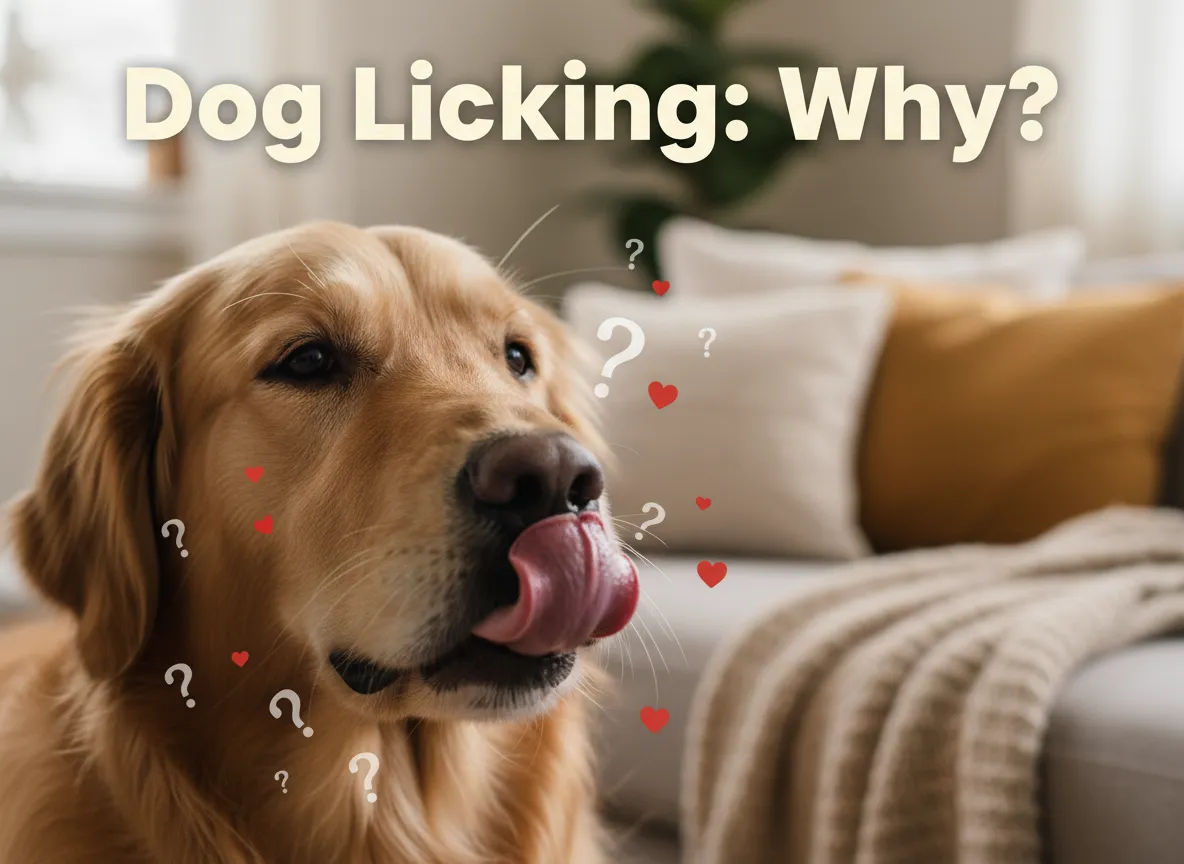
The Curious Case of Excessive Licking
Many dogs indulge in a bit of licking as part of their daily routine. Whether it's a quick spruce-up after a muddy walk or a leisurely grooming session before bedtime, licking is a natural behavior. However, when this turns into frequent or intense licking, it may signal something more significant.
Imagine noticing your furry friend licking their paw with unusual focus. While this can sometimes be a quirky habit, it might also indicate pain or discomfort lurking beneath the surface. Dogs, unable to verbalize their aches, often resort to such behaviors to express their distress.
Uncovering the Reasons Behind Licking
Licking can be soothing for dogs, much like how humans might rub a sore muscle. This repetitive action can release calming chemicals in their brain, providing temporary relief from discomfort. Interestingly, a dog's saliva contains enzymes with mild antibacterial properties, although it isn't the best remedy for healing.
For example, a dog experiencing hip discomfort might obsessively lick their flank or thigh. Similarly, wrist or elbow pain could lead to focused attention on a front leg. In some cases, the area that a dog licks might not even be the source of pain, as discomfort can be referred to other parts of the body.
Is It More Than Just Pain?
Licking isn't always about physical pain. Emotional factors such as boredom or anxiety can also drive this behavior. For many dogs, licking becomes a self-soothing ritual, especially if they feel stressed or anxious. If you observe increased licking following certain events, such as after a walk or when left alone, it might be time to consider underlying stressors.
Recognizing Patterns and Changes
The key to understanding your dog's licking lies in observing patterns and changes. Does the licking occur more frequently after exercise, or perhaps during the night? Such details can provide valuable clues for determining the cause.
Other signs of pain may include changes in posture, difficulty jumping, variations in appetite, or sensitivity to touch. Paying attention to these subtle cues can be crucial in identifying discomfort. Learn more about pain symptoms in dogs here.
What You Can Do
If you notice unusual licking, start by observing your dog's behavior rather than immediately trying to stop it. This behavior may be a symptom of a larger issue.
- Monitor Patterns: Keep track of when and where the licking occurs.
- Consult a Vet: If the licking persists, it's wise to consult your veterinarian for a comprehensive health check.
- Explore Environmental Changes: Consider any recent changes in your dog's environment that might have triggered stress or anxiety.
For guidance on addressing anxiety or stress in dogs, explore our Dog Behavior Guide.
Practical Tips for Reducing Excessive Licking
- Engage in Mental Stimulation: Provide toys and activities that challenge your dog's mind to divert attention from licking.
- Regular Check-Ups: Make sure to schedule regular veterinary visits to catch potential health issues early.
- Create a Calming Environment: Use calming pheromones or soothing music to reduce stress levels in your home.
Tips for Reducing Dog Licking
Engage in mental stimulation with toys and activities.
Schedule regular veterinary check-ups.
Create a calming environment with pheromones and music.
Conclusion
Understanding why your dog is licking excessively is the first step towards ensuring their well-being. By observing patterns, consulting professionals, and making thoughtful changes, you can help your furry friend feel more comfortable and secure. For more insights, check out our Training Guide for additional tips on nurturing a happy and healthy dog. Share your experiences and thoughts with us on our blog and join the conversation with fellow dog lovers.
You might also like
Understanding Sudden Changes in Dog Behavior
Mar 16, 2026
Explore why your dog might be exhibiting new behaviors suddenly and learn practical steps to address these changes effectively.
Understanding and Managing Your Dog's Air Licking Behavior
Feb 6, 2026
Discover why dogs lick the air and learn practical steps to address this behavior effectively.
Why Dogs Turn Mealtime Into Playtime: Understanding the Behavior
Jun 14, 2026
Discover why some dogs play with their food, and learn when it's time to pay attention as a pet owner.
Comments
No comments yet. Be the first to comment!
Anbefalt Hundeopplæring


Vi kan motta en provisjon hvis du kjøper gjennom disse lenkene (uten ekstra kostnad for deg).