Understanding Dog Play: Cues, Safety, and Fun Interaction
Introduction
Dog play is a delightful aspect of having pets, offering them exercise, social interaction, and mental stimulation. However, discerning when play is getting too rough or when one dog isn't enjoying the game can be challenging. Understanding these signals is crucial for maintaining a harmonious environment for your furry friends.
As a dog owner, it's important to recognize the nuances of canine play. Dogs communicate with each other and with us through a complex array of behaviors, and being able to interpret these can make all the difference in ensuring your dogs enjoy their play sessions safely.
Recognizing Play Cues
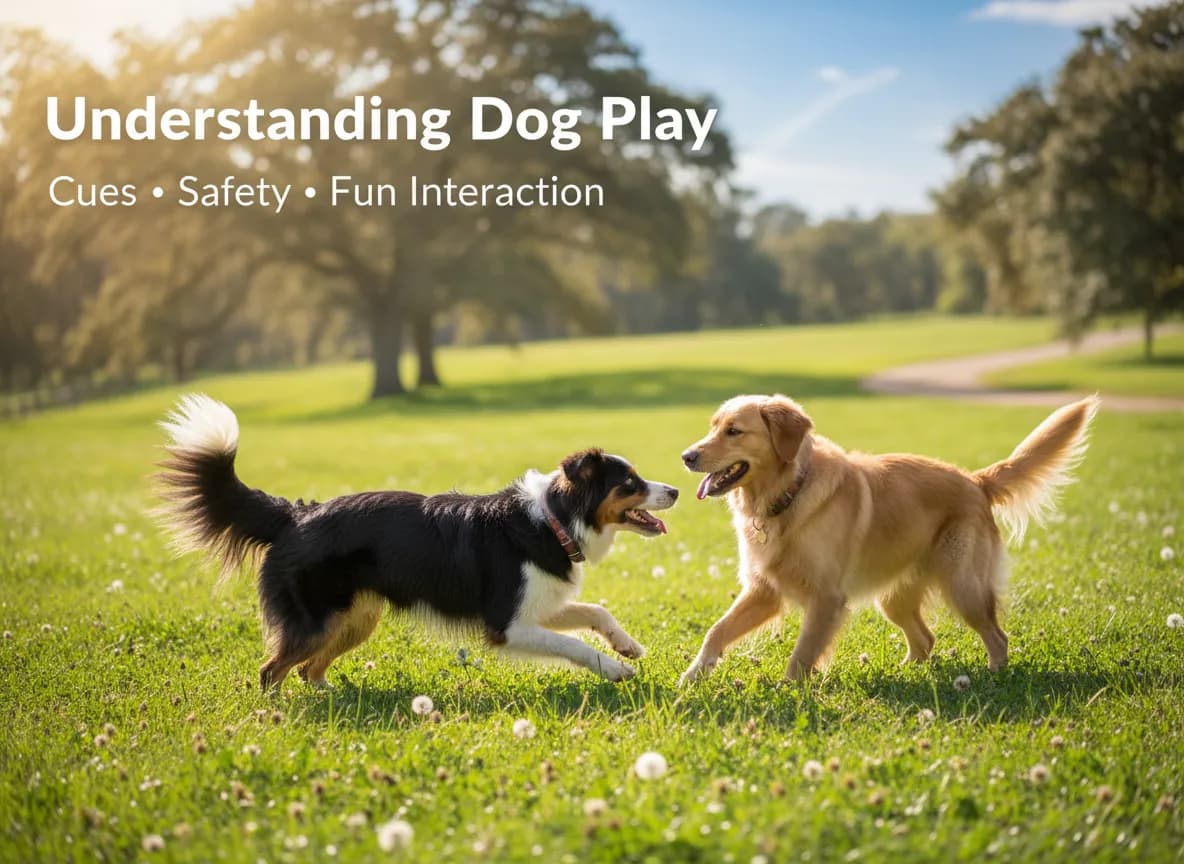
Dogs have a unique body language to indicate play. Understanding these cues can help you determine whether your dogs are having fun or if an intervention is necessary.
- Play Bow: This is when a dog lowers its front legs while keeping its rear up. It's a classic invitation to play.
- Wagging Tail: A loose, relaxed wag can signify happiness and excitement.
- Bouncy Movements: Dogs often hop around energetically when engaging in playful interactions.
- Mouthing: Lightly using their mouths on each other is common in play, but watch for tension or discomfort.
If you're unsure whether behavior is playful or aggressive, look for these signs together. A combination of relaxed wagging tails, playful barking, and bright eyes usually indicates friendly play.
Ensuring Safe Play
While play is essential, so is safety. Here are some strategies to keep play sessions safe and enjoyable:
- Monitor Body Language: Be vigilant about both dogs' comfort levels. If one dog shows signs of stress or discomfort, such as turning away, crouching, or avoiding eye contact, it's time to intervene.
- Set Boundaries: Teach commands like "leave it" or "stop" to intervene when necessary.
- Time and Space: Ensure both dogs have enough space and time alone if needed to prevent overexertion or irritation.
For more training techniques, consult our Training Guide for in-depth advice on teaching commands.
Understanding Disengagement
Recognizing when a dog wants to stop playing is as important as recognizing when they want to start. Here are some signs that a dog may need a break:
- Yawning: Contrary to what it seems, yawning often indicates stress or a desire to disengage, not tiredness.
- Licking Lips: This can be a calming signal to reduce tension.
- Freeze: A sudden pause in movement signifies that a dog might be uncomfortable.
If these cues appear, it’s time to pause the play session. You can provide individual toys to help each dog enjoy personal playtime without interference.
Tips for Safe and Fun Dog Play
Rotate toys regularly to maintain interest.
Use interactive games to engage both dogs.
Ensure the play area is hazard-free.
Practical Tips for Better Play
Here are practical takeaways to enhance playtime:
- Rotate Toys: Keep toys fresh by rotating them to maintain interest.
- Interactive Games: Use tug-of-war or fetch to engage both dogs without direct competition.
- Environment: Ensure the play area is free of hazards and has enough room for safe movement.
Explore these tips and more in our Dog Behavior Guide for a deeper understanding of canine interactions.
When to See a Vet or Professional Advice
If one of your dogs consistently shows aggressive behavior or if play often turns into scuffles, consider consulting a professional. A veterinarian or a certified dog behaviorist can offer tailored advice and strategies to improve your dogs' interactions.
Conclusion
Understanding and managing dog play is vital for the wellbeing of your pets. By interpreting play cues correctly and ensuring safe interaction, you can foster a positive environment that encourages joyful companionship. Keep exploring our blog for more insights into canine care and behavior.
For further reading on dog behaviors, visit ASPCA or PetMD for expert advice.
You might also like
Why Dogs Dash Away and How You Can Prevent It
Jun 3, 2026
Discover why even well-loved dogs run away and learn practical tips to prevent such heart-stopping moments.
Why Your Dogs May Suddenly Argue and How to Restore Harmony
May 16, 2026
Explore why dogs who once got along may start having conflicts and learn effective strategies to restore peace in your home.
Helping Dogs Overcome Fears of Everyday Obstacles
Mar 21, 2026
Discover how to help your dog overcome fears of unavoidable obstacles like staircases with these practical tips.
Comments
No comments yet. Be the first to comment!
Anbefalt Hundeopplæring


Vi kan motta en provisjon hvis du kjøper gjennom disse lenkene (uten ekstra kostnad for deg).