Spring Prep: Choosing the Perfect Dog Fence for Your Needs
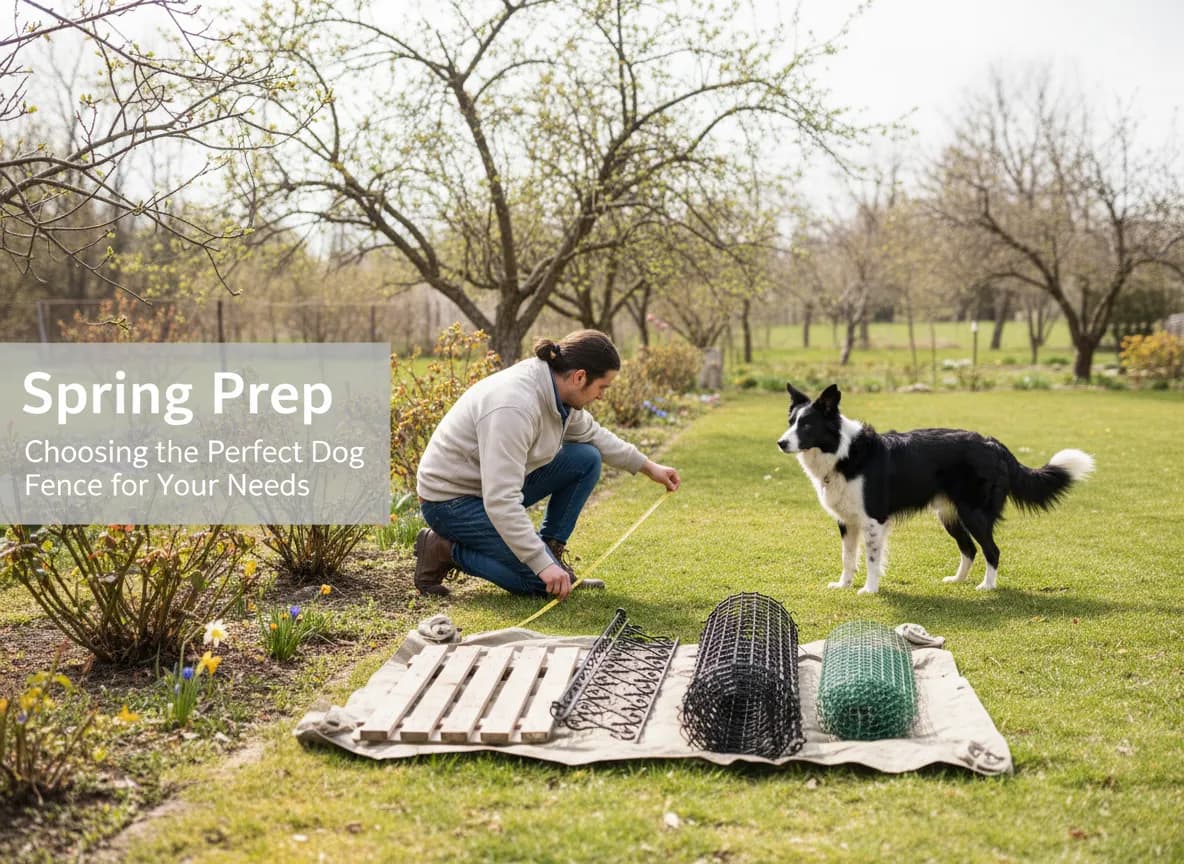
Springtime Decisions for Dog Owners
As winter turns to spring and the garden begins to bloom, many dog enthusiasts find themselves reconsidering their yard's containment setup. Perhaps you're planning a landscaping overhaul, relocating to a new home, or simply dealing with a dog who has discovered the joys of digging. With a multitude of options available, from traditional wooden fences to advanced GPS systems, choosing the right fence for your furry friend can seem daunting.
Understanding Your Needs
Before investing in a new fence, it's important to assess your specific requirements:
- Property Size: How big is your yard?
- Future Plans: Are you planning to move soon?
- Lifestyle: Do you travel or camp with your dog often?
- Dog's Behavior: Is your dog prone to jumping or digging?
- Restrictions: What are the local regulations or HOA rules?
- Budget: How much are you willing to spend?
- Technology: Do you want GPS tracking?
Answering these questions will help narrow down the best options for your situation.
Types of Fences
Physical Fences
For many, the classic image of a dog fence is a wooden, vinyl, or chain-link barrier. These are excellent for smaller suburban yards, providing a visible boundary that doesn't rely on technology. However, costs can skyrocket for larger properties, especially those with challenging terrains. Another downside is the lack of alerts if your dog manages to escape.
Pros:
- Minimal training required
- Provides a clear, physical boundary
- Dependable once installed
Cons:
- High cost for large areas
- Installation time and maintenance
- Not flexible or portable
Buried Wire Fences
First popularized in the 1970s, buried wire systems like Invisible Fence® offer a way to contain dogs without a visible barrier. Ideal for expansive yards or escape-prone dogs, these systems use a wire buried underground to create an electronic boundary.
Fence Types Comparison
| Type | Pros | |
|---|---|---|
| Physical Fence | Clear boundary | High cost, maintenance |
| Buried Wire | Invisible, flexible | Requires training |
| GPS Fence | Portable, adjustable | Technology-dependent |
GPS Dog Fences
For high-tech solutions, GPS dog fences offer a virtual boundary, providing flexibility and portability. These systems are particularly useful for those who travel with their dogs, allowing an adjustable perimeter.
The Best Fit for Your Dog
While each fence type has its advantages, the right choice depends on your property's specifics and your dog's behavior. If you need more guidance, check out our Dog Behavior Guide to better understand your dog's tendencies.
Practical Tips for Choosing a Fence
- Consider Training: Even with a fence, training is crucial. Check our Training Guide for effective methods.
- Check Local Laws: Ensure compliance with local regulations before installation.
- Assess Long-Term Plans: Consider whether the fence will suit future needs, especially if you plan to move.
Tips for Choosing a Dog Fence
Assess your property size and future plans
Consider your dog's behavior
Check local laws and regulations
Conclusion
Choosing the right fence for your dog is a significant decision that can enhance both your pet's safety and your peace of mind. As you explore options, remember the importance of matching the fence type to your lifestyle and property needs. For more insights, visit our blog and stay informed on the latest in pet care.
For more information, visit trusted resources like the American Kennel Club or PetMD.
You might also like
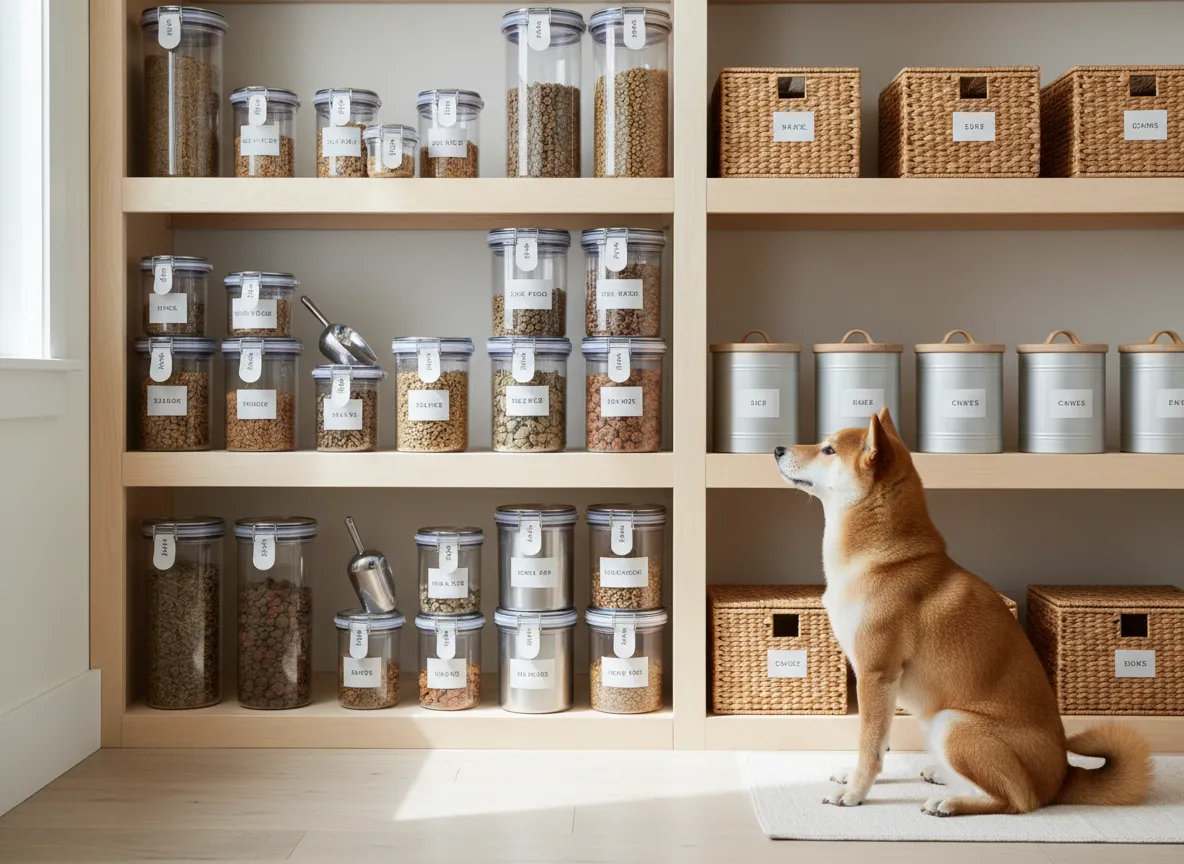
Top Tips for Storing Your Dog's Food Freshly and Securely
Aug 26, 2026
Discover the best ways to store your dog's food to maintain freshness and nutrition. Secure your pantry and keep pests away!

6 Heartwarming Signs Your Dog Truly Trusts You
Aug 8, 2026
Discover the subtle signs that reveal your dog’s deep trust and learn how to nurture this precious bond.
Caring for Your Maltese: Health Issues and Tips for a Long, Happy Life
Jul 26, 2026
Maltese dogs, with their charming personalities and silky coats, are prone to specific health issues. Discover how to keep them healthy.
Comments
No comments yet. Be the first to comment!
Anbefalt Hundeopplæring


Vi kan motta en provisjon hvis du kjøper gjennom disse lenkene (uten ekstra kostnad for deg).