Secrets to Longevity: Why Your Dog Might Live to 19
Introduction
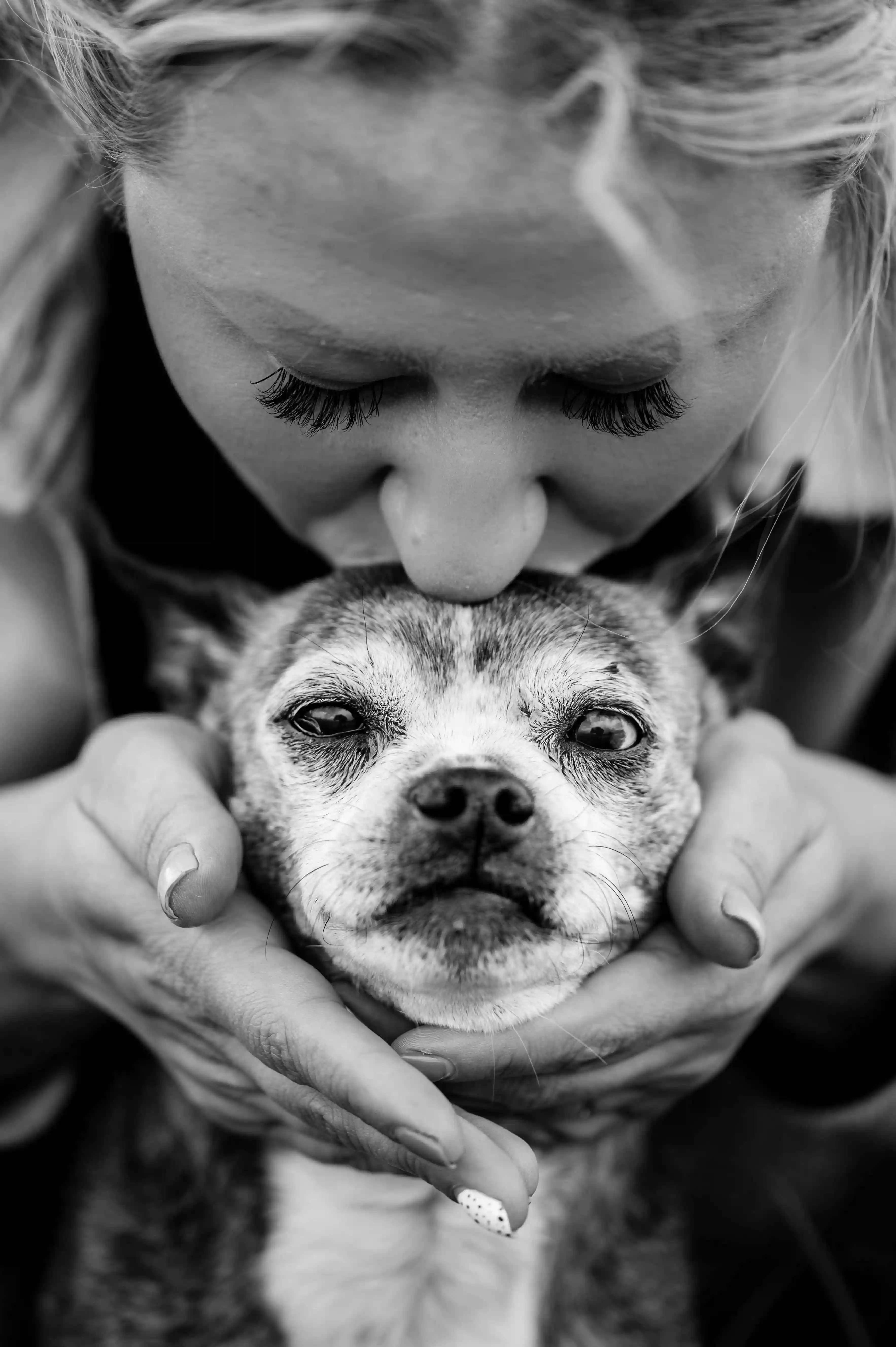
Reaching the milestone of 19 years is a remarkable feat for any dog. As a dog owner, it’s natural to wonder what factors have contributed to your canine companion’s longevity. Could it be the fact that your dog was never neutered, or perhaps it’s the vegan diet they’ve been on for half their life? This article will delve into these questions and provide practical advice on how to help your dog live a long, healthy life.
Understanding the longevity of a dog involves considering multiple factors, from genetics to lifestyle choices. Let's explore how diet, neutering, and other lifestyle decisions might impact your dog's lifespan.
The Role of Neutering in Longevity
Neutering, or the lack thereof, is often a topic of interest when discussing dog longevity. While some studies suggest that neutering can lead to a longer life by reducing the risk of certain diseases, others indicate that leaving a dog intact can also have its benefits.
- Health Implications: Neutering can decrease the risk of some cancers but may increase the risk of others. It's essential to weigh these risks with your veterinarian to make the best decision for your dog.
- Behavioral Factors: Intact dogs can sometimes exhibit stronger territorial behaviors but may also retain more energy and vitality into old age.
Our Dog Behavior Guide can offer more insights into how neutering might affect your dog's behavior.
Diet and Its Impact on Longevity
Diet plays a crucial role in a dog's health and longevity. A well-balanced diet, whether plant-based or not, can contribute significantly to a longer life.
- Vegan Diets: Some owners have found success in vegan diets for their dogs, ensuring they receive all necessary nutrients. However, it’s crucial to consult with a veterinary nutritionist to ensure dietary needs are met.
- Balanced Nutrition: Utilize tools like our Nutrition Planner to design a diet that supports longevity, balancing proteins, fats, and carbohydrates appropriately.
For more information on responsible vegan diets for dogs, consider this PetMD article.
Lifestyle Choices for a Long Life
Beyond diet and neutering, several lifestyle factors can influence your dog's life expectancy.
- Regular Exercise: Keeping your dog active maintains muscle strength and cardiovascular health. Tailor the activity to your dog's age and health status.
- Routine Check-Ups: Regular veterinary visits help catch potential health issues early, significantly impacting longevity.
Practical Tips for Enhancing Your Dog’s Longevity
- Schedule routine vet checks at least once a year.
- Provide a balanced diet tailored to your dog's needs with the help of a Nutrition Planner.
- Encourage daily exercise suited to your dog's health and age.
- Consider the benefits and drawbacks of neutering with your vet.
- Stay informed through resources such as our Training Guide for behavioral and physical health.
When to See a Vet
If you notice significant behavioral changes, unexplained weight loss, or any signs of distress in your elderly dog, it’s crucial to consult your veterinarian immediately. Early intervention can make a significant difference in health outcomes.
Conclusion
While factors like diet and neutering play roles in a dog's lifespan, each dog's needs are unique. By combining informed choices with regular veterinary care, you can help your dog enjoy a long and happy life. Share your experiences and strategies with us on our blog to inspire other dog owners.
You might also like
10 Plant-Based Foods to Boost Your Dog’s Health and Longevity
May 8, 2026
Discover how incorporating plant-based foods into your dog's diet can enhance their well-being and longevity with these nutritious options.

Helping Your Older Dog Settle After Neutering Surgery
Feb 11, 2026
Learn how to comfort your older dog after neutering surgery, ensuring a safe and soothing recovery environment.
Top Tips for Storing Your Dog's Food Freshly and Securely
Aug 26, 2026
Discover the best ways to store your dog's food to maintain freshness and nutrition. Secure your pantry and keep pests away!
Comments
No comments yet. Be the first to comment!
Anbefalt Hundeopplæring


Vi kan motta en provisjon hvis du kjøper gjennom disse lenkene (uten ekstra kostnad for deg).