Navigating Emergency Vet Visits: What Every Dog Owner Should Know
Late-Night Surprises: A Common Predicament for Dog Owners
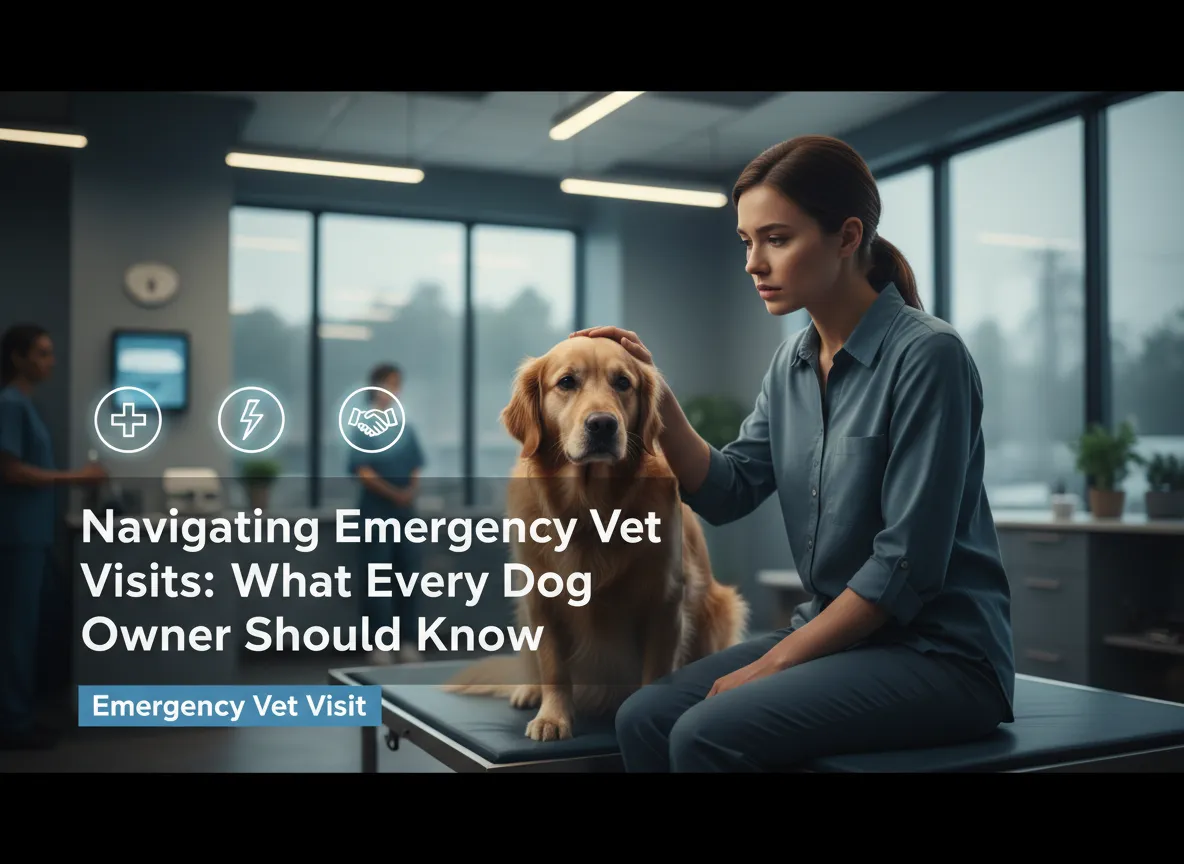
Imagine this: It's almost midnight, and your furry friend has been acting strangely for a few hours. Perhaps they have a limp, an unusual cough, or maybe you caught them rummaging through the trash earlier. You hope it's nothing serious, but by 11:39 pm, you're anxiously waiting in an emergency vet clinic, clutching the leash with a pounding heart.
While many dog owners anticipate the diagnosis to be the most daunting part of the visit, often the real surprise comes when a hefty estimate is presented before any treatment can commence. This is the critical moment where emotions and finances intersect, catching many unprepared.
Understanding the Dynamics of Emergency Veterinary Care
Emergency veterinary clinics operate differently from your regular vet's office. Modeled after human emergency rooms, these clinics are equipped to handle unpredictable situations round-the-clock. According to the American Veterinary Medical Association, these facilities are staffed with specialized teams ready to triage and stabilize urgent cases at a moment's notice.
While the rapid pace and comprehensive readiness of emergency clinics offer comfort, they also come with significant costs. The 24/7 availability of advanced equipment, surgical teams, and ICU monitoring is factored into the expenses you encounter upon arrival.
The Importance of Preparation
Many dog owners make the mistake of arriving at emergency clinics without a financial plan. Without preparation, the stress of the situation can be overwhelming. Knowing what to expect and planning ahead can make a substantial difference.
Financial Preparedness: Planning for the Unexpected
- Pet Insurance: Investing in pet insurance can significantly reduce the financial burden of emergency visits. Learn more about choosing the right coverage in our Product Research.
- Emergency Fund: Establishing a dedicated savings account for pet emergencies can provide peace of mind and readiness for unforeseen events.
Understanding Canine Health Indicators
Recognizing early signs of distress in your dog can be crucial. Familiarize yourself with common symptoms that warrant immediate attention, as detailed in our Dog Behavior Guide.
Practical Tips for Navigating an Emergency Vet Visit
- Stay Calm: Your dog can sense your anxiety. Remaining calm helps to reassure them.
- Bring Essential Information: Have your dog's medical history and any recent changes in behavior easily accessible.
- Ask Questions: Don’t hesitate to ask the veterinary staff for clarification on procedures and costs.
Essential Tips for Emergency Vet Visits
Stay calm to reassure your dog.
Bring your dog's medical history.
Ask questions about procedures and costs.
Conclusion: Being Proactive and Informed
By understanding the dynamics of emergency veterinary care and preparing financially, you can navigate these challenging situations with greater ease. Share your experiences and tips with fellow dog lovers on our blog. Together, we can ensure our canine companions receive the best care possible.
You might also like

Is Your Dog Unhappy with Their Bed? Tips to Find the Perfect Fit
Mar 8, 2026
Discover why your dog might be unhappy with their bed and learn how to choose the best bed that meets their needs.

Understanding Why Your Dog Spends All Day on Its Bed
Mar 5, 2026
Explore why your dog might be resting all day on its bed and learn practical tips to encourage more activity.

Understanding Your Dog's Behavior After Spaying: Why Toys Matter
Mar 3, 2026
Explore why your recently spayed dog might be fixated on her toys and learn practical tips to ensure her comfort and recovery.
Comments
No comments yet. Be the first to comment!
Anbefalt Hundeopplæring


Vi kan motta en provisjon hvis du kjøper gjennom disse lenkene (uten ekstra kostnad for deg).