Managing Your Dog's Herding Instincts During Group Outings
Introduction
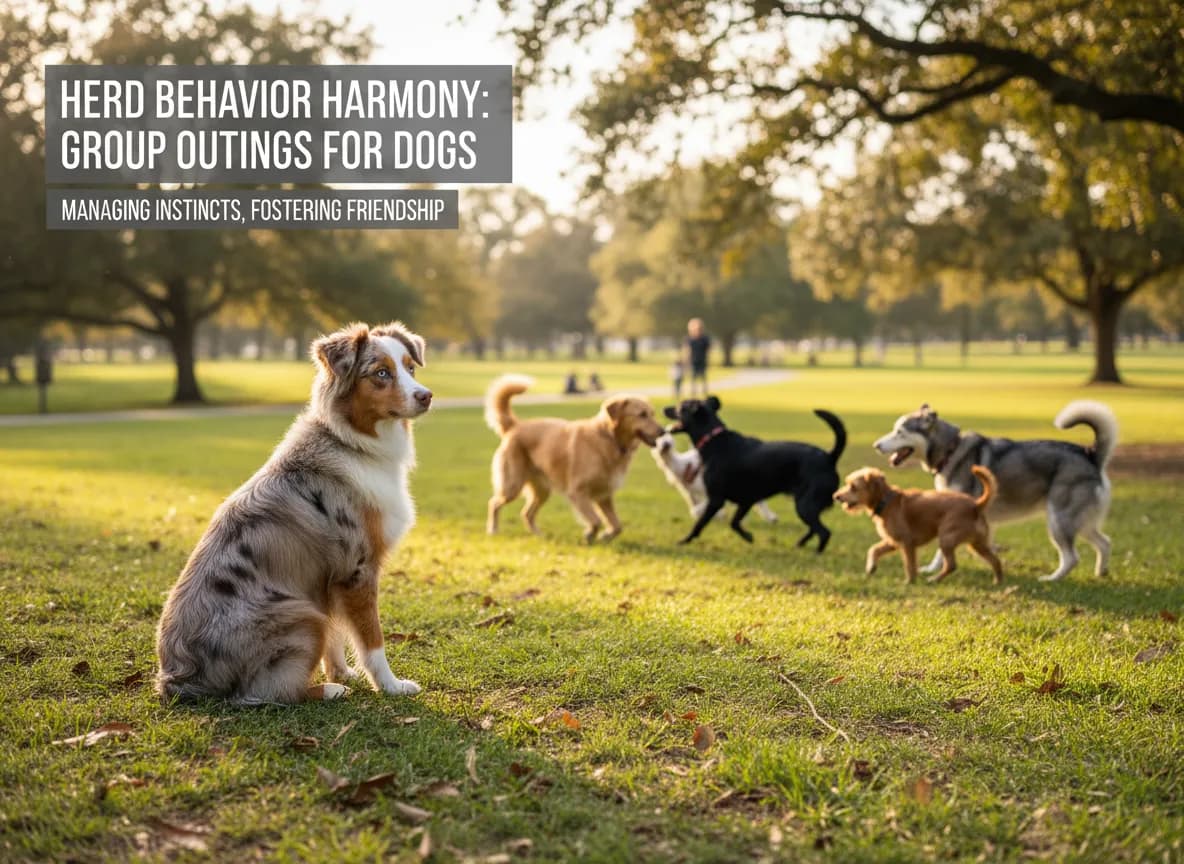
Do you find that your normally calm dog becomes restless and eager to lead whenever you’re in a group setting? If so, it might be a manifestation of herding instincts. Group hangouts can often trigger these natural behaviors, especially in dogs with a herding or guarding background. This article explores how to manage these instincts effectively, ensuring a pleasant outing for both you and your furry friend.
Understanding your dog's behavior is key. Herding instincts are deeply embedded in many dogs, especially those with ancestry tied to farm work. While these instincts are beneficial in specific settings, they can be less than ideal in social situations. Here, we'll explore why this happens and provide practical strategies to calm your dog during group outings.
Common Triggers for Herding Behavior
Understanding Herding Instincts
Herding instincts are a natural behavior where dogs attempt to gather and control the movement of groups. This behavior can surface when a dog perceives a group setting similar to a herd. While it is a natural inclination, understanding the underlying reasons can help address it effectively.
- Origins: Herding instincts stem from generations of selective breeding for work with livestock. Dogs with such backgrounds often see any group movement as something to manage.
- Triggers: Groups larger than three people can resemble a flock, triggering the dog's impulse to control and lead the group.
Understanding these triggers is crucial. Awareness allows for targeted methods to calm and redirect your dog’s energy, improving your outings together.
Practical Strategies to Calm Your Dog
Managing a dog's herding behavior during group outings requires patience and strategic training. Here are some effective strategies:
Training for Calmness
- Obedience Training: Start with basic obedience commands like "sit," "stay," and "come." Reinforce these commands during group settings to help divert your dog's attention from herding.
- Redirect Attention: Use toys or treats to distract your dog when it begins to herd. This can refocus its energy away from the group.
- Consistent Routine: Establish and maintain a consistent exercise and socialization routine. A well-exercised dog is less likely to default to herding behaviors.
Socialization in Controlled Environments
Gradually increase your dog's exposure to group settings in controlled environments. Start with smaller groups and gradually increase the size as your dog becomes more comfortable. Use our Training Guide for additional tips on socializing your dog effectively.
Tips for Calming Herding Instincts
Use basic obedience commands in group settings.
Distract with toys or treats to redirect focus.
Gradually increase group size exposure.
Reward calm behavior consistently.
Use Positive Reinforcement
Reward your dog for calm behavior with treats or praise. Positive reinforcement strengthens the association between calmness and rewards, making it a powerful tool in managing behavior.
Practical Tips
- Keep your dog on a leash during group outings until it consistently displays calm behavior.
- Utilize a long lead to give your dog freedom to move while maintaining control.
- Practice commands in various settings to generalize obedience.
- Engage in mental stimulation like puzzle toys to distract and calm your dog.
When to See a Vet / Professional Advice
If your dog’s herding behavior becomes unmanageable or stressful, it might be time to consult with a professional trainer or behaviorist. In some cases, underlying anxiety or stress might exacerbate herding behaviors, requiring more specialized intervention.
Conclusion
Herding instincts are natural for many dogs, but can be managed effectively with understanding and the right approach. By incorporating training, socialization, and positive reinforcement, you can help your dog remain calm during group hangouts. Explore more ways to bond with your dog using our Daily Bonding Regimen and make every outing enjoyable for everyone.
For further insights, check resources like ASPCA’s behavior guides or visit our blog for additional tips and tools.
You might also like

Why Dogs Patiently Wait for Their Humans
Aug 11, 2026
Discover why your dog is always at your side and learn the heartwarming reasons behind their loyal waiting.

6 Heartwarming Signs Your Dog Truly Trusts You
Aug 8, 2026
Discover the subtle signs that reveal your dog’s deep trust and learn how to nurture this precious bond.

Decoding the 'Guilty' Look: Do Dogs Really Feel Guilt?
Jul 19, 2026
Discover the truth behind your dog's 'guilty' look and what it really means for their behavior.
Comments
No comments yet. Be the first to comment!
Anbefalt Hundeopplæring


Vi kan motta en provisjon hvis du kjøper gjennom disse lenkene (uten ekstra kostnad for deg).