Gentle Care for Your Dog's Eye Stye: Home Remedies and Tips
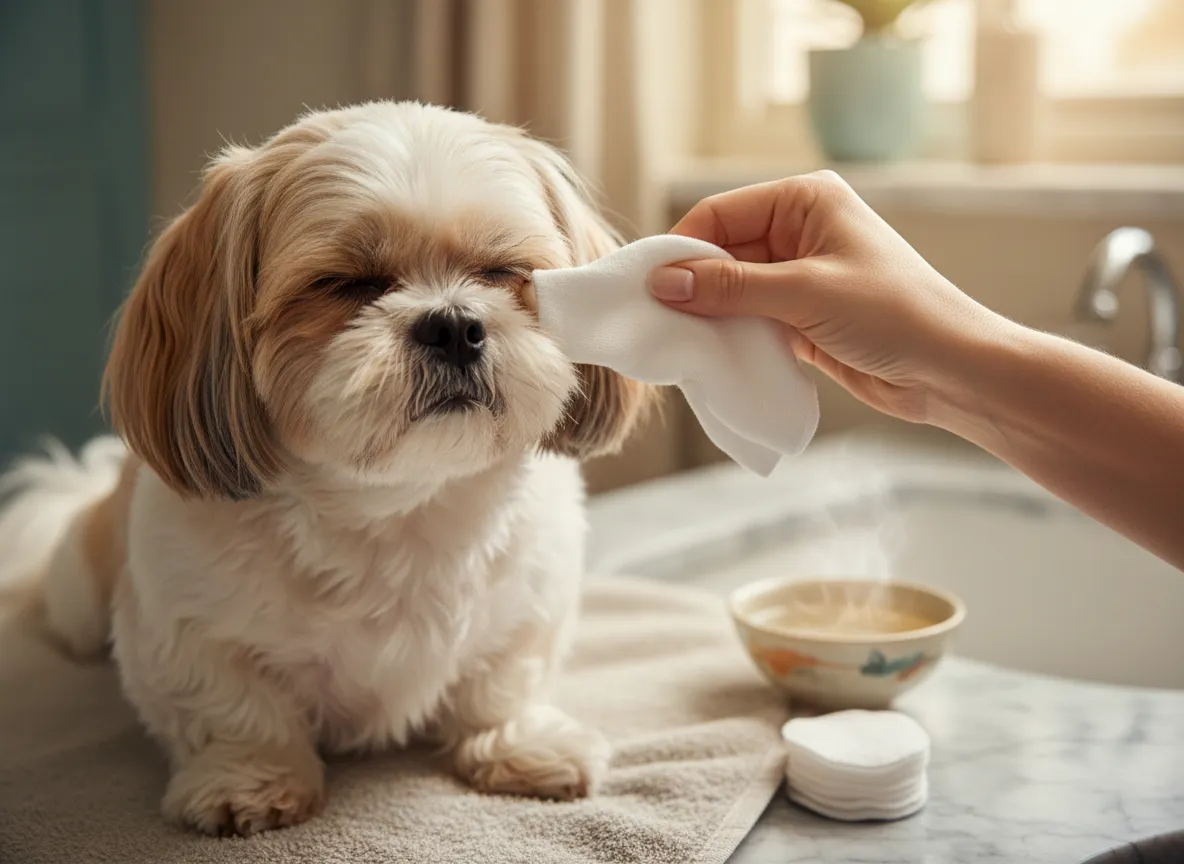
A Soothing Approach to Dog Eye Styes
If you've noticed a red, painful bump on your dog's eyelid, you might be dealing with a stye. These pesky bumps can be uncomfortable but are often manageable at home with the right care. A stye is usually caused by a blocked oil gland or hair follicle that becomes infected. While any dog can develop a stye, certain breeds with distinctive facial features, like those with brachycephalic traits, and older dogs are more susceptible.
Recognizing a stye can be straightforward: it appears as an inflamed, red bump on the outer eyelid. Your dog might blink more frequently, squint, or try to paw at the affected eye. If the symptoms are mild, home care might just do the trick. However, if your dog's discomfort seems significant, it’s best to consult your vet.
Understanding Canine Eye Health
What is a Stye?
A stye in dogs is similar to those in humans, presenting as a small, painful bump that can disrupt their daily activities. It's crucial to distinguish a stye from other eye conditions like eyelid infections or tumors. A good Dog Behavior Guide can help you observe any changes in your dog's behavior that might indicate discomfort.
Common Causes and Susceptible Breeds
Older dogs and breeds with flat faces, such as Pugs and Bulldogs, often experience styes due to their unique facial anatomy, which can lead to blocked glands. Regular grooming and face cleaning can help prevent these issues. For breed-specific advice, check our Breeding Guide.
When to See a Vet
While many styes resolve with home care, persistent or worsening symptoms require professional intervention. If the lump doesn’t improve within a week, or if it significantly impacts your dog's quality of life, a vet visit is essential to rule out other conditions.
Tips for Managing Dog Eye Styes
Use lukewarm compresses to reduce swelling.
Consult your vet before using any eye wash.
Prevent your dog from scratching the affected eye.
Home Care Tips for Dog Styes
-
Warm Compresses: Gently apply a warm, damp washcloth to the affected eyelid for about a minute, two to three times daily. Make sure the water is lukewarm and comfortable for your pet.
-
Saline Solution: Consult your vet about using a saline solution or dog-safe eye wash. Avoid over-the-counter products without veterinary approval.
-
Prevent Scratching: If your dog is pawing at the stye, consider using an Elizabethan collar to prevent further irritation.
Practical Tips for Managing Eye Health
- Regularly Check Your Dog's Eyes: Make it a habit to check for any signs of redness, irritation, or unusual discharge.
- Maintain Good Hygiene: Keep the area around your dog's eyes clean, especially if they are prone to styes.
- Teach Cooperative Care: Train your dog to be comfortable with eye care routines, making the process easier for both of you.
Conclusion
Caring for a dog's stye at home involves patience and gentle attention. By following these home remedies and keeping a close eye on symptoms, you can help your furry friend recover comfortably. Remember, your vet is your best resource for any persistent or concerning issues. Stay informed by visiting our blog for more tips on pet health.
For further reading, check out this PetMD article on canine eye care.
You might also like
Caring for Your Maltese: Health Issues and Tips for a Long, Happy Life
Jul 26, 2026
Maltese dogs, with their charming personalities and silky coats, are prone to specific health issues. Discover how to keep them healthy.
Understanding Canine Reproductive Health: Key Issues and Solutions
May 28, 2026
Delve into the critical aspects of canine reproductive health, focusing on conditions like pyometra and dystocia, and learn how to safeguard your dog.
Understanding and Managing Recurrent UTIs in Dogs
Mar 16, 2026
Explore why your dog may experience recurrent UTIs and learn effective strategies for prevention and treatment.
Comments
No comments yet. Be the first to comment!
Anbefalt Hundeopplæring


Vi kan motta en provisjon hvis du kjøper gjennom disse lenkene (uten ekstra kostnad for deg).