Exploring the Rainbow: Labrador Retriever Colors Unveiled
Labrador Retrievers: A Palette of Personality
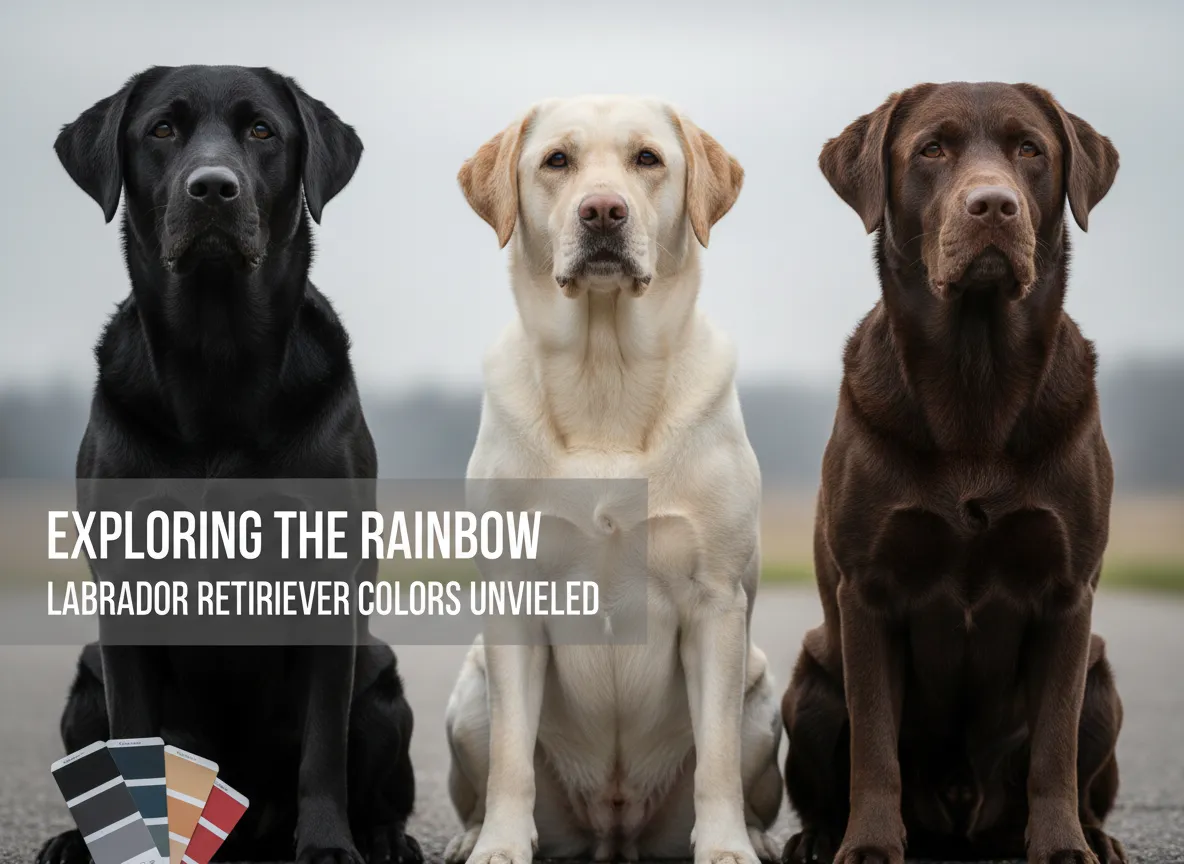
If you've ever watched a trio of Labradors—a black, a yellow, and a chocolate—romping joyfully in the park, you might have marveled at how such different-looking dogs belong to the same breed. Labrador Retrievers, beloved for their friendly dispositions and loyalty, come in a variety of colors that often surprise new enthusiasts. Beyond the well-known hues lies a debate over additional shades like 'silver' and 'charcoal' that adds even more intrigue to this cherished breed.
Officially Recognized Colors
The American Kennel Club (AKC) acknowledges three primary Labrador colors: black, yellow, and chocolate. This classification has remained unchanged since Labradors were first registered in the US. Each color brings its own charm and history.
Black Labradors are the original color, tracing back to the breed's ancestors, the St. John's Water Dogs. Known for their striking, jet-black coats, these dogs are prevalent in working roles and are often seen in guide dog programs and field trials. Their sleek, dense coats shimmer beautifully in the sunlight.
Yellow Labradors can range from a pale cream to a deep fox-red. Despite the variety, all are categorized as 'yellow' by the AKC. This color is particularly popular among families, often capturing hearts with its photogenic appeal.
Chocolate Labradors gained popularity in the 1980s and vary from a medium to a dark rich brown. These dogs are beloved for their warm, earthy hues that stand out in any setting.
Controversial Colors: The Debate Continues
Beyond the classic trio, there are 'dilute' shades that stir discussions among breeders and enthusiasts. Silver, charcoal, and champagne Labradors are not officially recognized by the AKC and are registered under one of the three main colors.
- Silver Labradors are a diluted version of chocolate. While their metallic sheen is eye-catching, their origins remain a topic of debate.
- Charcoal Labradors appear as a diluted black. Like their silver counterparts, their recognition is contentious.
- Champagne Labradors are the rarest, seen as a diluted yellow, adding a unique twist to the traditional palette.
Understanding Labrador Genetics
The color of a Labrador is determined by its genes, specifically the presence and interaction of various alleles. The basic genetic framework involves the B (black/brown) and E (extension of pigment) series, which together create the three accepted colors. Dilute genes (d allele) further modify these colors, resulting in the controversial shades.
- The B locus determines whether the dog will have black (BB or Bb) or chocolate (bb) pigmentation.
- The E locus controls the expression of these pigments. Dogs with at least one E allele will express the base color, while those with two e alleles will be yellow regardless of the B locus.
For a deeper dive into genetic influence on dog traits, explore our Breeding Guide.
Popular Labrador Colors
3
Official Colors
Black, Yellow, Chocolate
1980s
Chocolate Popularity
Gained popularity in the 1980s.
Controversial
Debated Shades
Silver, Charcoal, Champagne
Practical Tips for Choosing a Labrador
- Consider Your Lifestyle: Different colors might be more suited to specific environments. Black Labs are often favored for work due to their prevalence in working lines.
- Health and Temperament: Focus on the dog's health and temperament over color. Regardless of shade, a Labrador's friendly nature is a hallmark.
- Engage with Breeders: If interested in dilute colors, speak with reputable breeders to understand potential genetic implications.
Choosing Your Labrador
Consider your lifestyle: some colors may suit certain environments better.
Focus on health and temperament over color.
Engage with breeders for insights on dilute colors.
Celebrate Diversity in Labradors
Labrador Retrievers are more than just their colors—they're companions, helpers, and friends. Whether you prefer the classic shades or are drawn to the unique hues of silver or champagne, each Labrador brings joy and love to their families. Explore our Dog Behavior Guide to better understand your furry friend.
For more insights on dog breeds and colors, visit the American Kennel Club for comprehensive information.
Stay updated with the latest from our blog and join a community that celebrates every splash of Labrador color.
You might also like

The Happiest Dog Breeds: Smiles That Brighten Every Day
Jul 22, 2026
Discover the dog breeds known for their naturally joyful faces and learn how their personalities make them beloved companions.

Discover the Softest Dog Breeds and Find Your Perfect Fluffy Companion
Apr 30, 2026
Explore the softest dog breeds, from velvety Bichon Frises to the airy Coton de Tulear, and find the ideal fluffy friend for your lifestyle.

Herding Dogs in City Apartments: Practical Tips for a Happy Life
Feb 26, 2026
Living with herding dogs in a city apartment is possible with the right strategies. Discover how to keep your dog happy and healthy.
Comments
No comments yet. Be the first to comment!
Anbefalt Hundeopplæring


Vi kan motta en provisjon hvis du kjøper gjennom disse lenkene (uten ekstra kostnad for deg).