Caring for Your Aging Dog: A Complete Senior Dog Guide
Introduction
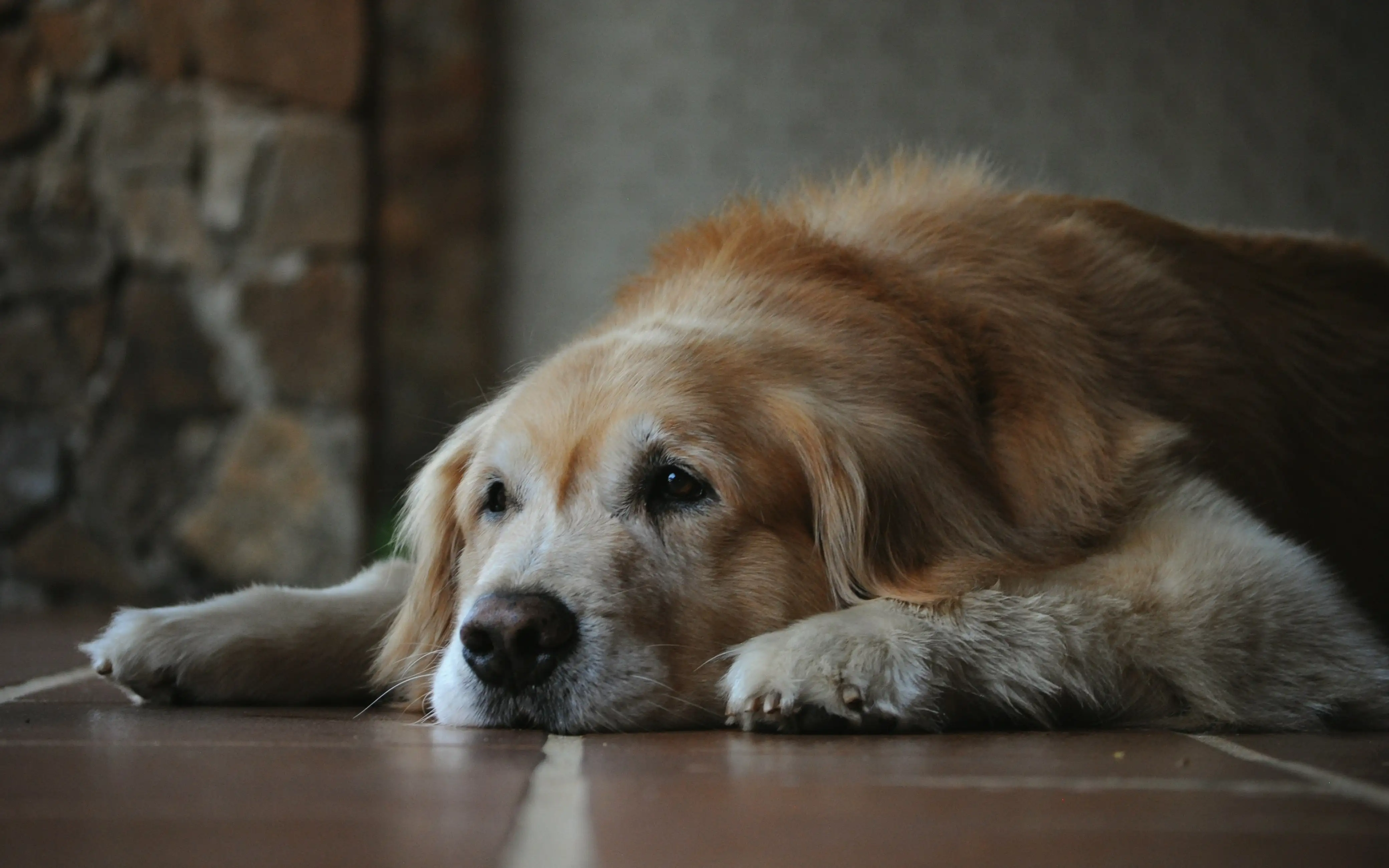
As our beloved dogs grow older, they enter a new life stage that requires special attention and care. Just like humans, senior dogs experience changes in health, energy levels, and dietary needs. By understanding these changes, you can help your furry friend enjoy their golden years comfortably and healthily.
Caring for an aging dog involves adjusting their diet, keeping up with health screenings, and making accommodations to ensure their comfort. Let's explore how to best support your senior dog through this transition.
Understanding Aging in Dogs
Every dog ages differently, and knowing when your dog is considered a senior is crucial. Generally, smaller dogs tend to age slower than larger ones. Typically, a dog is considered senior between the ages of 7 and 10, but this can vary.
Signs of Aging
- Decreased Energy: Your dog may not be as active or may tire more quickly.
- Weight Changes: Be it weight loss or gain, both can signal age-related issues.
- Joint Stiffness: Look for signs of limping or difficulty moving.
- Changes in Behavior: Increased anxiety or changes in their usual behavior.
Adjusting Your Dog’s Diet
As dogs age, their dietary needs change. Senior dogs often require fewer calories due to decreased activity levels. However, they need more nutrients to support joint health and digestion.
- Balanced Nutrition: Use our Nutrition Planner to create a diet that fits your senior dog’s new needs.
- Joint Supplements: Consider adding glucosamine and chondroitin to support joint health.
- High-Fiber Foods: Assists with digestion and prevents constipation.
For more in-depth nutritional advice, check reputable sources like PetMD.
Health Screenings and Monitoring
Regular veterinary check-ups become more critical as your dog ages. Early detection of health issues can significantly impact treatment success.
- Bi-annual Vet Visits: Increase veterinary visits to twice a year for comprehensive check-ups.
- Dental Health: Aging dogs are prone to dental issues; regular cleanings are essential.
- Monitor Vision and Hearing: Be alert for signs of decline in vision or hearing.
Practical Tips for Senior Dog Care
Maintain a consistent routine to reduce stress.
Engage in gentle, frequent exercise to keep them active.
Regularly monitor weight and adjust diet as necessary.
Making Your Home Comfortable
Comfort is key for senior dogs. Here are some adjustments to help your dog relax at home:
- Orthopedic Beds: Provides support to relieve joint pressure.
- Non-Slip Mats: Helps prevent slips and falls on slippery surfaces.
- Ramps: Use ramps to assist them in climbing stairs or getting into vehicles.
Practical Tips for Senior Dog Care
- Maintain a Routine: Consistency can reduce anxiety and stress.
- Gentle Exercise: Short, frequent walks can keep them active without overexertion.
- Monitor Weight: Regularly check weight to adjust diet accordingly.
When to See a Vet
If you notice drastic changes in your dog’s behavior, appetite, or mobility, schedule a vet visit immediately. Also, use our Dog Age Calculator to better understand your dog's age-related needs.
Conclusion
Caring for a senior dog is a rewarding experience that strengthens your bond. By staying attentive to their changing needs and providing appropriate care, you can ensure your dog enjoys its golden years happily. Visit our Daily Bonding Regimen for tips on maintaining a strong connection with your dog.
You might also like
Top Tips for Storing Your Dog's Food Freshly and Securely
Aug 26, 2026
Discover the best ways to store your dog's food to maintain freshness and nutrition. Secure your pantry and keep pests away!
Understanding Restlessness in Dogs: A Sign of Pain?
Jul 8, 2026
Restlessness in dogs might indicate pain. Learn the signs and how to help your furry friend find comfort.
Understanding Muscle Volume in Your Dog: The Role of CT Scans
Jun 22, 2026
Discover how CT scans measure your dog's muscle health and what this means for their well-being.
Comments
No comments yet. Be the first to comment!
Anbefalt Hundeopplæring


Vi kan motta en provisjon hvis du kjøper gjennom disse lenkene (uten ekstra kostnad for deg).