Can Dogs Detect Where You've Been? Understanding Canine Scent Abilities
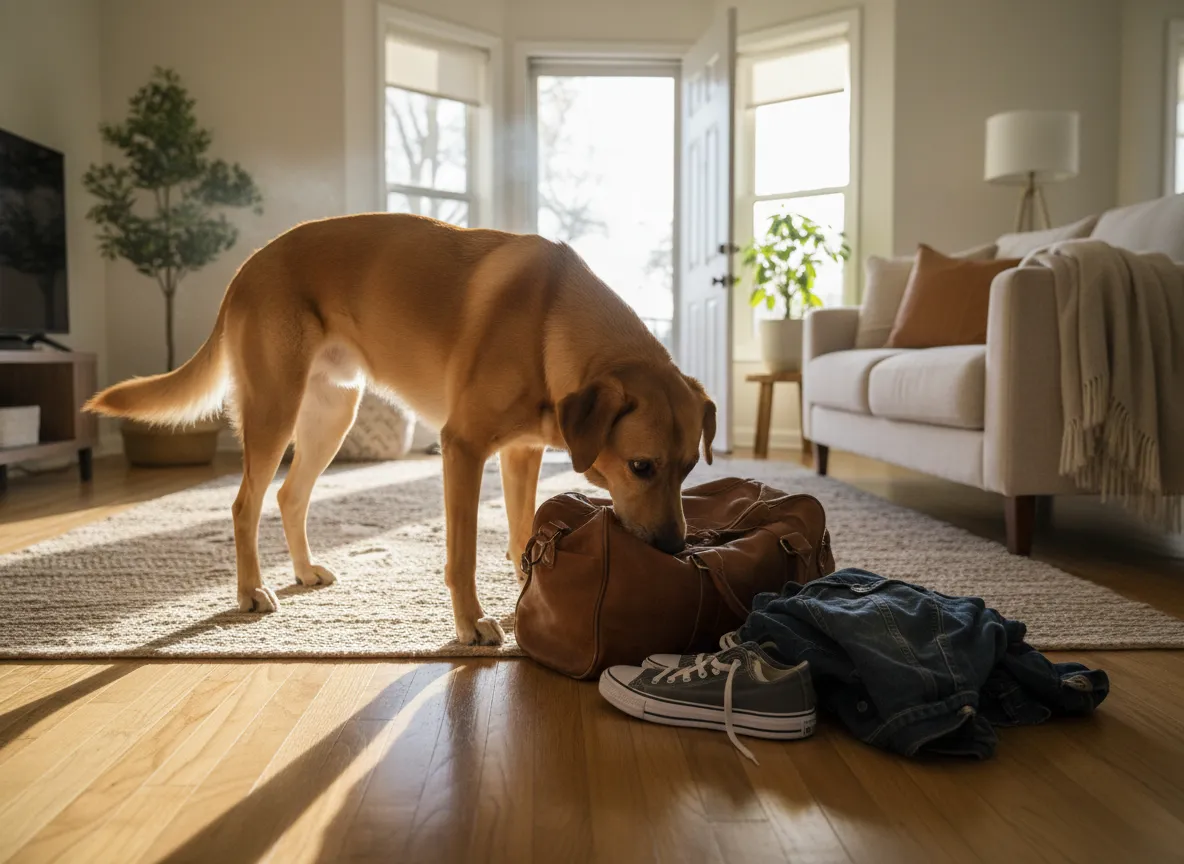
Can Dogs Smell Where You've Been?
Have you ever returned home only to find your dog intensely sniffing you, as if unraveling the mystery of your day? Dogs have an astounding ability to detect scents, and they can indeed gather a wealth of information through their noses. Let's dive into how dogs can tell where you've been and how you can engage their incredible olfactory skills.
The Science Behind a Dog's Nose
Dogs have up to 300 million scent receptors in their noses, compared to a human's mere 5 million. This massive difference allows dogs to detect and differentiate between a wide array of smells. Their brains are also structured to devote a significant portion to processing scents, making their sense of smell 10,000 to 100,000 times more acute than that of humans.
Smelling Familiar People and Places
When you visit a friend or familiar place, you unknowingly carry a "scent message" back home on your clothes, skin, and hair. Dogs can discern individual scents in this complex bouquet, recognizing people and environments they are familiar with. This means your dog can figure out if you've been to the park, your mom's house, or even the local coffee shop where they have visited before.
Can Dogs Recognize Emotions by Scent?
Not only can dogs detect where you've been, but they can also sense your emotions through scent. The pheromones and other chemicals your body emits when you're happy, anxious, or stressed can be picked up by your dog. This ability helps them respond with empathy, offering comfort when you're upset or joining in your excitement when you're joyful.
Tips to Engage Your Dog's Sniffing Skills
- Scent Games: Hide treats around the house or yard and encourage your dog to find them using their nose.
- Scent Trails: Create a trail with a distinctive smell, like vanilla or lavender, and lead your dog to a hidden reward.
- Explore New Environments: Take your dog on walks in new areas, allowing them to experience a variety of scents and engage their keen sense of smell.
Practical Applications
Understanding your dog's ability to recognize scents can improve your relationship with them. Here are some actionable tips:
- Training: Use scent-based exercises to enhance obedience training.
- Health Monitoring: Pay attention to how your dog sniffs you as changes in their behavior might signal health issues.
- Bonding: Strengthen your connection by actively participating in scent games and acknowledging the key role their sense of smell plays in their world.
Conclusion
Dogs truly have a superpower when it comes to their sense of smell. Not only can they tell where you've been, but they can also connect with you on a deeper emotional level through scent. By understanding and nurturing this ability, you can enrich both your dog's life and your relationship with them.
Explore more about your dog's world by using our breed guide and toxic foods checker to ensure their health and happiness.
Practical Ways to Harness Your Dog's Nose
Understanding your dog's incredible scent abilities opens up a world of enrichment possibilities. Nosework is one of the fastest-growing dog sports, and for good reason — it taps into your dog's most powerful natural ability and provides intense mental stimulation without physical strain.
Here are ways to put your dog's nose to work at home:
- Kitchen searches: Hide small treats around a room and let your dog find them using scent alone. Start easy (treats in plain sight) and gradually increase difficulty by hiding them under cups, behind furniture, or on low shelves.
- Scent trails: Drag a treat along the ground to create a scent trail through your yard or home, ending with a jackpot reward. This mimics natural tracking behavior.
- Snuffle mats: These fabric mats with deep folds are designed to hide kibble or treats, forcing your dog to use their nose rather than their eyes. A 10-minute session on a snuffle mat can be as tiring as a 30-minute walk. Find top-rated options using our Product Research tool.
- Essential oil detection: Teach your dog to find a specific scent (like birch or anise oil on a cotton swab) hidden in boxes. This is the foundation of competitive nosework and can be incredibly rewarding for both dog and handler.
Our Training Guide includes step-by-step nosework exercises from beginner to advanced level.
The Science of the Dog-Human Scent Bond
One of the most fascinating aspects of canine olfaction is how dogs use scent to understand and bond with their humans. When you return home after a day out, your dog is not just happy to see you — they are reading an olfactory story about your entire day. They can detect the coffee shop you visited, the colleague's dog you petted, and even shifts in your emotional state through changes in your body chemistry.
This scent-based bond is why dogs often gravitate toward items that smell like their owners — sleeping on your worn clothes, guarding your shoes, or curling up on your side of the bed. It is also why dogs can detect medical conditions like low blood sugar, seizures, and certain cancers. The dog-human bond operates on a level that goes far beyond what we can consciously perceive, and scent is at the heart of it. Plan activities that engage your dog's nose with our Daily Bonding Regimen planner.
You might also like
The Hidden Dangers of Unfenced Yards: What Dog Owners Need to Know
Jul 5, 2026
Discover why unfenced yards can be risky for dogs and learn how to ensure their safety while enjoying outdoor freedom.
Navigating Love When Your Partner Isn't a Dog Person
May 13, 2026
Can love thrive when one partner isn't a dog lover? Discover how to bridge the gap and ensure harmony for all.
Why Do Dogs Chew on Socks and Rocks? Understanding Their Quirky Habits
Aug 15, 2026
Discover why dogs chew on unusual items like socks and rocks, and learn how to manage these behaviors effectively.
Comments
No comments yet. Be the first to comment!
Anbefalt Hundeopplæring


Vi kan motta en provisjon hvis du kjøper gjennom disse lenkene (uten ekstra kostnad for deg).