Ancient Dog Skulls Uncover Unexpected Diversity Origins
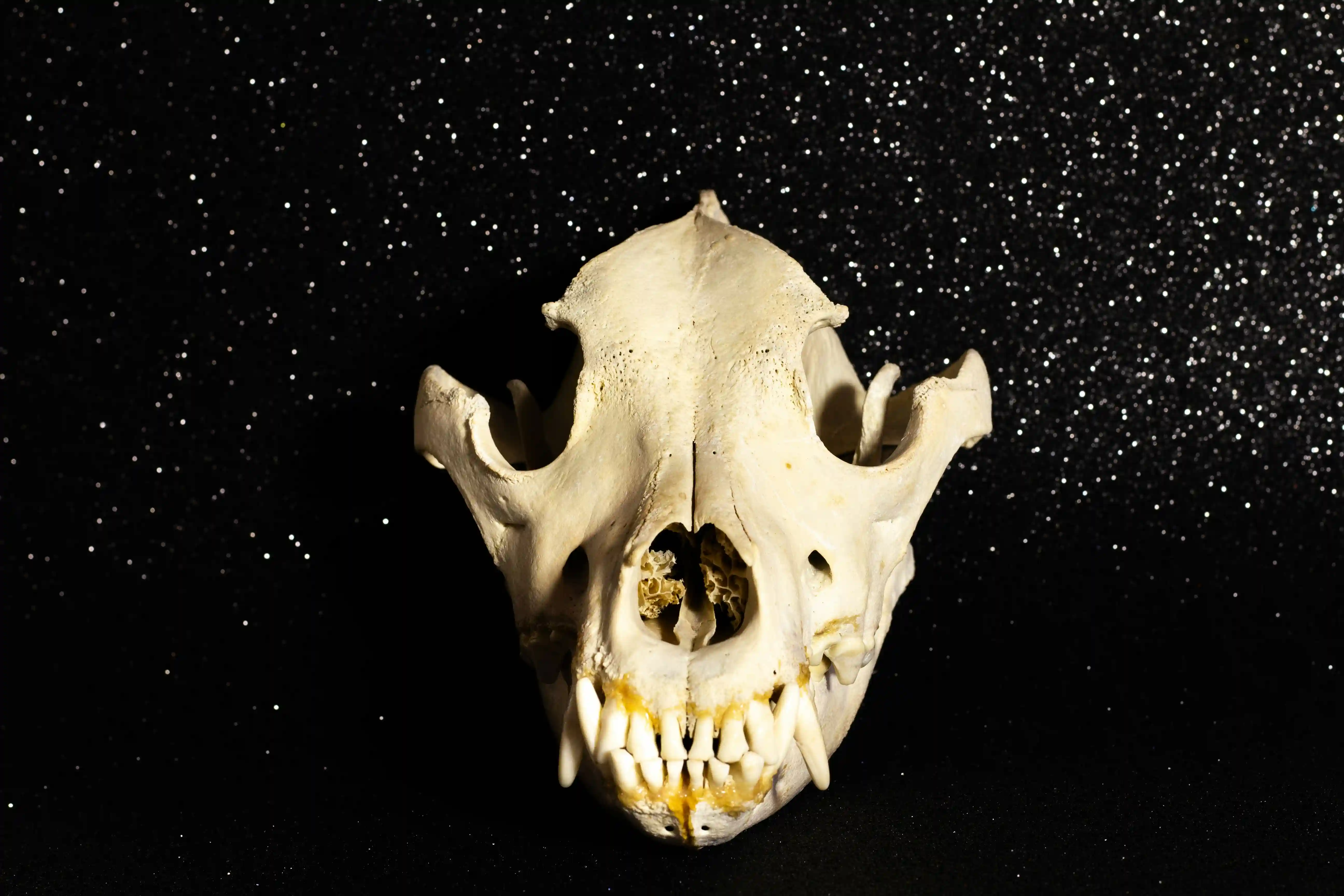
Why Should You Care About Ancient Dog Skulls?
Imagine your floppy-eared companion, chasing a ball or snuggling by the fireplace. Ever wondered how dogs evolved from their wolf ancestors to the diverse shapes and sizes we see today? New archaeological research sheds light on this very question, revealing that the story of dog diversity began much earlier than previously thought. This insight not only deepens our connection with our furry friends but also reshapes our understanding of their evolution alongside humans.
The Research: A Journey Back in Time
A comprehensive study conducted by the University of Exeter and the French CNRS, and published in Science, delved into the history of dog diversity using advanced shape analysis on 643 ancient and modern dog skulls. The research spanned 50,000 years, from the Pleistocene era to today, incorporating specimens like recognized breeds, street dogs, and even wolves. By applying geometric morphometrics—a precise method for comparing shapes—the team discovered that dogs began to show varied forms at least 11,000 years ago.
This study challenges the long-held belief that most canine diversity arose from selective breeding practices of the Victorian era. Instead, it highlights that dogs were already exhibiting significant physical variation shortly after diverging from wolves, driven by their growing bond with human communities. Notably, by the Mesolithic and Neolithic periods, dogs already displayed a broad range of skull shapes and sizes, reflecting their roles in hunting, herding, guarding, and companionship.
What This Means for Dog Owners
For modern dog owners, this research is a poignant reminder of the deep relationship humans have shared with dogs for millennia. It emphasizes that the variety seen in dogs isn't merely a product of recent breeding but a testament to their long-standing adaptation to human societies. Whether you're using our Dog Age Calculator to keep track of your senior dog's years or exploring the Dog Behavior Guide to understand your pup's quirks, this history enriches every interaction.
Knowing that early dogs adapted to human environments suggests that today's dogs continue to evolve based on our lifestyles and needs. As we continue to cohabit and collaborate, understanding this shared history can inspire more thoughtful and enriching relationships with our pets.
Practical Takeaways
- Appreciate Diversity: Recognize that your dog's unique traits have deep historical roots.
- Enrich Relationships: Engage with your dog through activities that honor their natural instincts, such as herding games or scent trails.
- Educate Others: Share insights from this research to foster a greater appreciation for dogs' evolutionary journey.
Key Findings on Dog Diversity
11,000 years
Early Dog Diversity
Dogs began to show varied forms at least 11,000 years ago.
50,000 years
Study Timeline
Research spanned from the Pleistocene to the present.
643 skulls
Sample Size
Analysis included 643 canid skulls.
A Note on the Evidence
While this study is the most extensive of its kind, involving contributions from over 40 institutions, it is important to remember that archaeological records can be incomplete. More research will continue to refine our understanding of early dog evolution.
Closing
This fascinating glimpse into the ancient world of dogs reminds us how deeply intertwined their history is with ours. As you cuddle with your canine friend, consider how their ancestors once roamed and evolved alongside human societies. For more insights on dog care, visit our blog and discover how history informs today's best practices.
You might also like

Unveiling the Ancient History of Our Furry Friends
Apr 16, 2026
Discover how genetic evidence from ancient dog remains is reshaping our understanding of canine history.
Ancient Bonds: Dogs Became Friends Sooner Than We Thought
Mar 30, 2026
A jawbone discovery reveals dogs and humans were companions 15,000 years ago, reshaping our understanding of early domestication.

Ancient Wolves and Human Voyages: A Surprising Island Tale
Feb 8, 2026
Discover how ancient wolves ended up on a Baltic island through human intervention and what this means for our understanding of early human-wolf relationships.
Comments
No comments yet. Be the first to comment!
Anbefalt Hundeopplæring


Vi kan motta en provisjon hvis du kjøper gjennom disse lenkene (uten ekstra kostnad for deg).