8 Household Hazards That Could Cost You a Fortune in Vet Bills
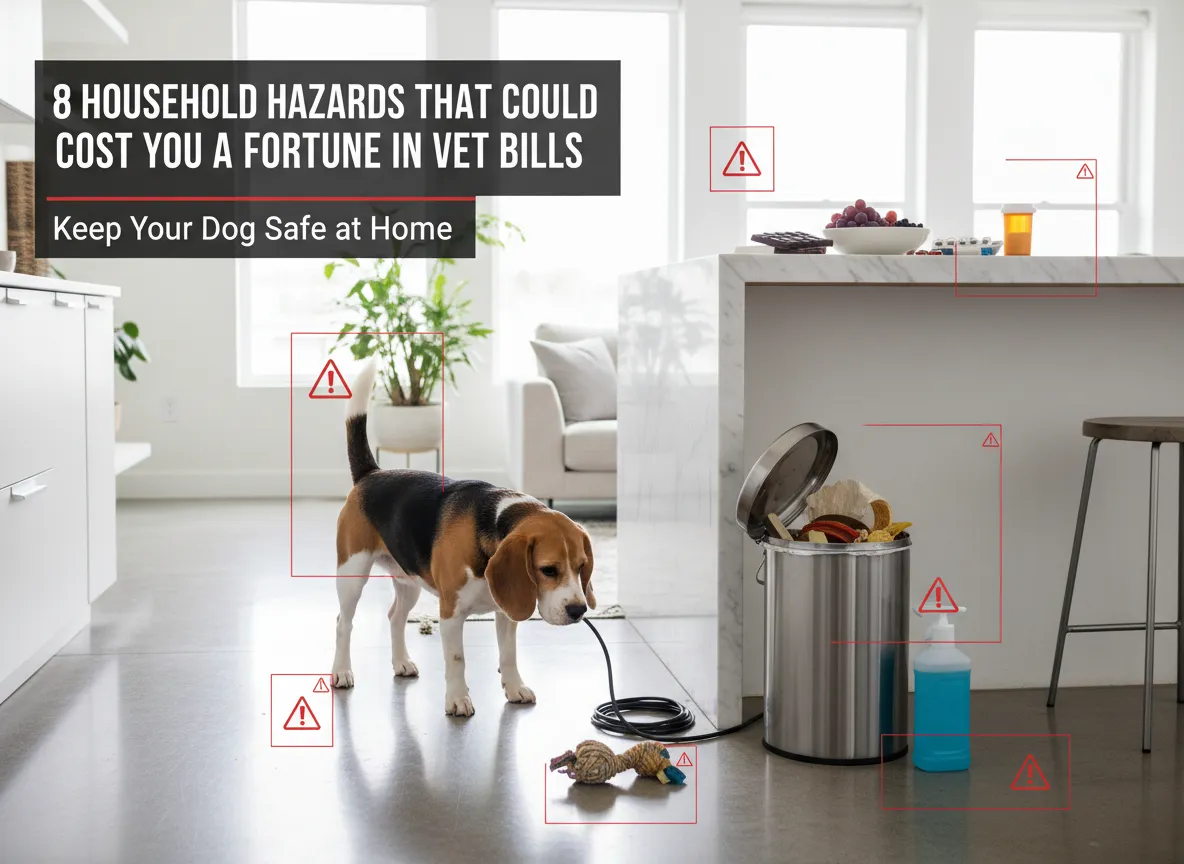
Household Hazards: A Dog Owner’s Unexpected Challenge
As a dog owner, you might already be familiar with the curious nature of our four-legged friends. To them, a world of adventure can be found in the most mundane household items. From the laundry basket to the kitchen trash, these everyday objects can become tantalizing treats or toys for our dogs. Unfortunately, what seems like harmless exploration can quickly turn into a costly trip to the vet.
Imagine this: You come home to find your dog happily chewing on an old sock from the laundry pile. It might seem like a harmless act, but for your dog, it's a sensory delight. Dogs experience the world through smell and taste, and a sock carries the comforting scent of their favorite human. Similarly, a leftover corn cob from the trash can become an irresistible feast.
This behavior is not just a quirk; it’s an instinctual part of how dogs interact with their environment. Puppies, much like human toddlers, are notorious for exploring with their mouths. Even older dogs, driven by curiosity or boredom, can fall victim to this behavior.
Understanding the Canine Curiosity
Why Dogs Chew: The Instinctual Drive
Dogs use their mouths to investigate the world, much like we use our eyes and hands. This natural behavior can sometimes lead them to ingest items that are not safe. Chewing is a way for dogs to explore textures and tastes, but it can also be a sign of stress, anxiety, or boredom.
Common Household Dangers
Many household items pose a risk to dogs if ingested. Here are a few that might surprise you:
- Laundry Items: Socks, underwear, and even dryer sheets can be tempting but dangerous if swallowed.
- Trash Contents: Corn cobs, bones, and food wrappers can lead to choking or intestinal blockages.
- Small Items: Hair ties, rubber bands, and string can easily be swallowed and cause digestive issues.
For more on preventing these risks, check out our Dog Behavior Guide and Toxic Foods Checker.
How to Keep Your Dog Safe
Providing Proper Stimulation
A well-exercised and mentally stimulated dog is less likely to seek out inappropriate objects to chew. Regular walks, playtime, and interactive toys can help keep your dog's mind and body engaged.
Training and Supervision
Training your dog to "leave it" or "drop it" can be invaluable. Supervision, especially with puppies, is crucial. For more training tips, visit our Training Guide.
Safe Alternatives
Provide your dog with safe chew toys that are durable and designed for their chewing style. Regularly check toys for wear and replace them if they become a choking hazard.
Practical Tips for Dog Owners
- Regular Exercise: Ensure your dog gets enough physical activity to reduce boredom.
- Use Baby Gates: Restrict access to areas with potential hazards.
- Secure Trash Cans: Use pet-proof trash cans to prevent scavenging.
Practical Tips for Dog Safety
Ensure regular exercise to reduce boredom.
Use pet-proof trash cans to prevent scavenging.
Train commands like 'leave it' and 'drop it'.
Conclusion: A Safer Home for Your Canine Companion
By understanding the reasons behind your dog's behavior and taking proactive measures, you can create a safer environment for them. Remember, a curious dog is a happy dog, but it's our job to ensure their curiosity doesn't lead to harm. For more tips on keeping your pet safe and happy, explore our blog with a wealth of resources.
For further reading on preventing common pet hazards, visit PetMD.
You might also like
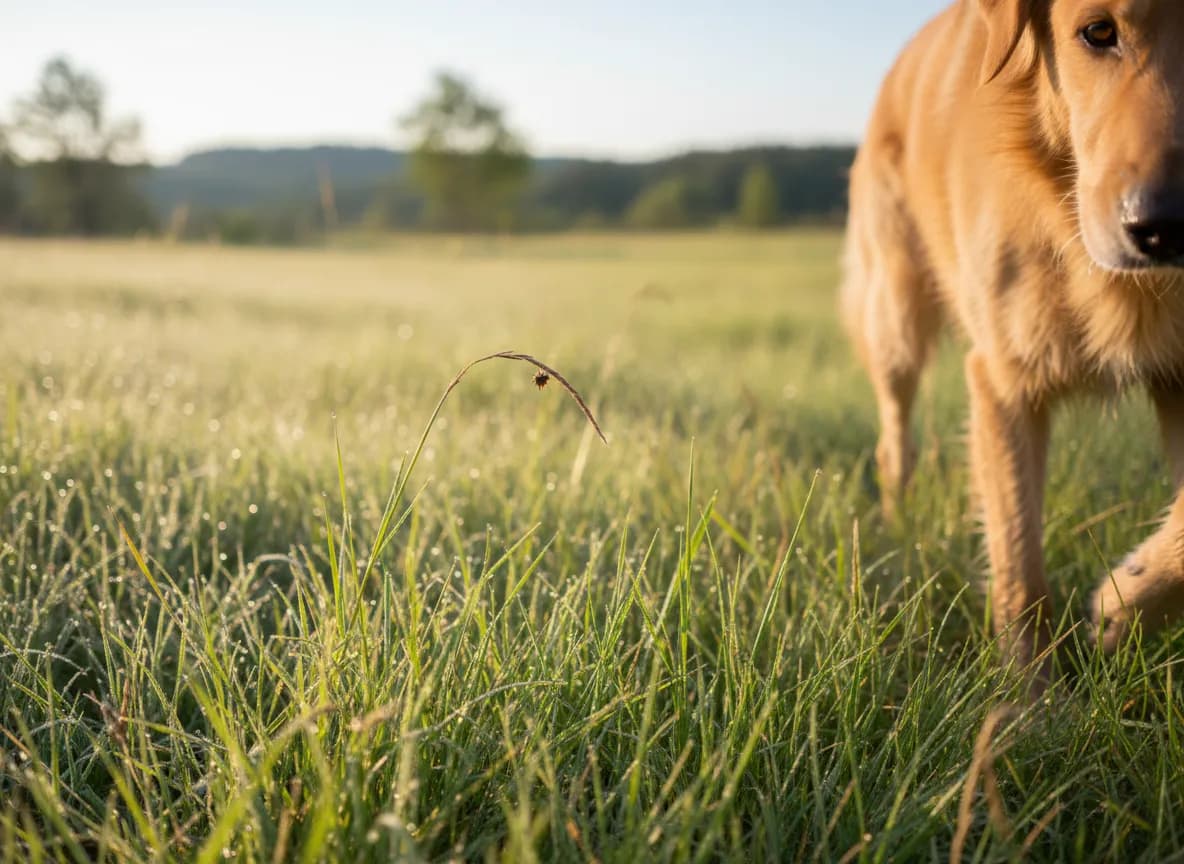
The Unseen Dangers Lurking in Tall Grass for Your Dog
Apr 4, 2026
Discover why even dead ticks pose a risk to your dog and learn how to safely remove them.
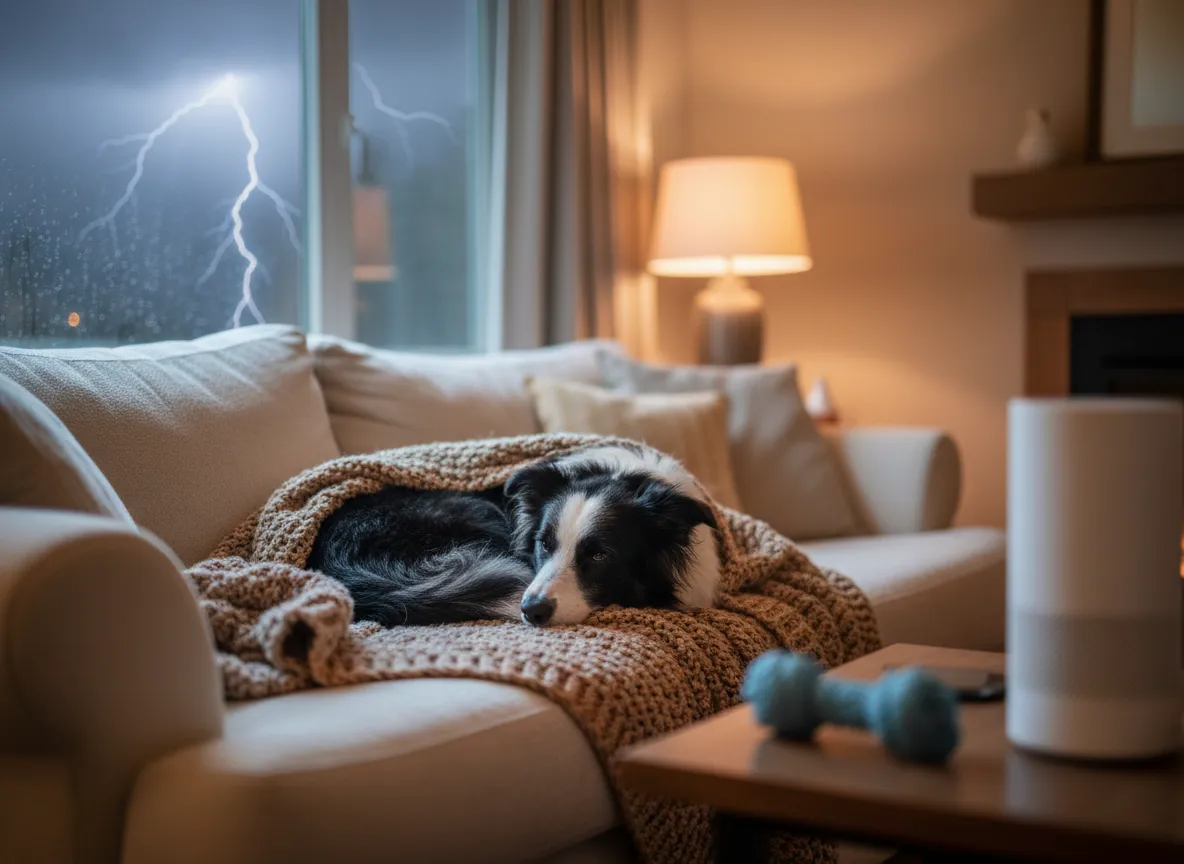
Easing Storm Anxiety in Dogs: Understanding and Helping Your Pet
Jul 20, 2026
Many dogs fear thunderstorms, but understanding the reasons and solutions can help ease their anxiety.
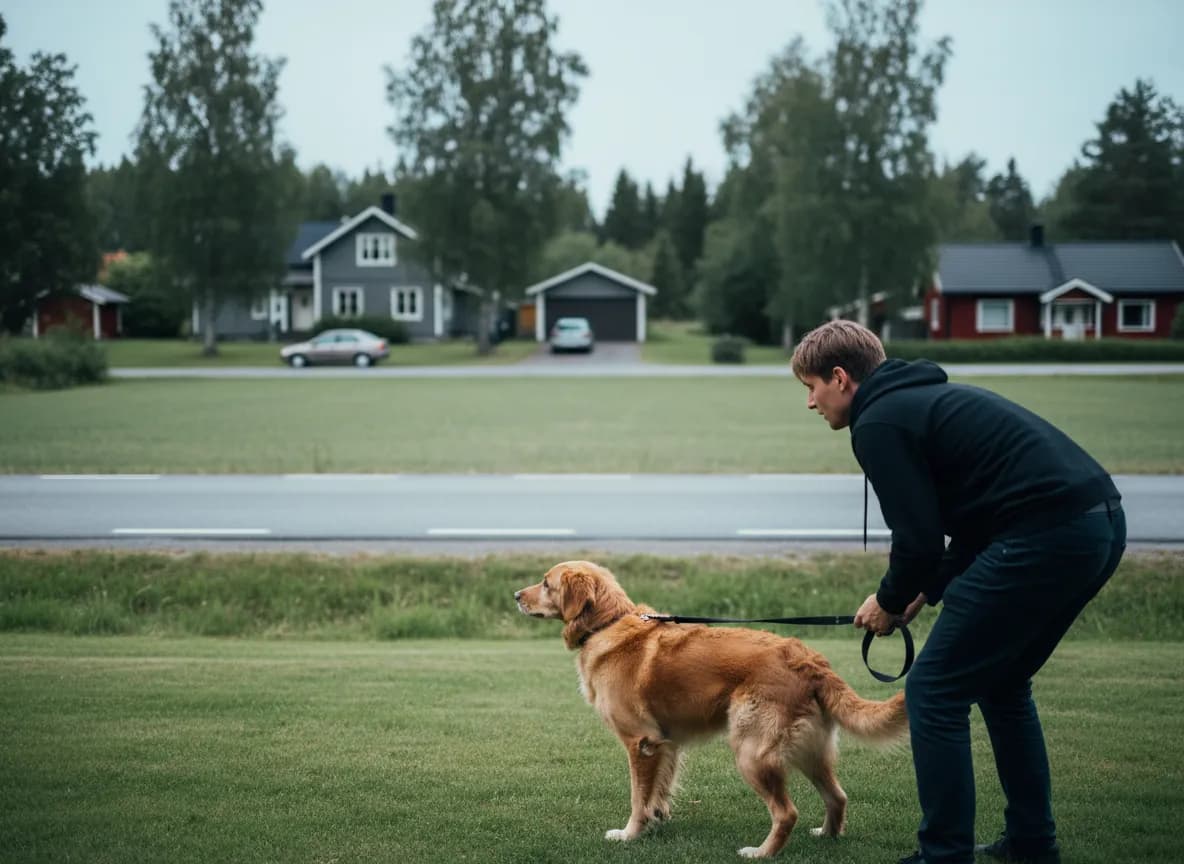
The Hidden Dangers of Unfenced Yards: What Dog Owners Need to Know
Jul 5, 2026
Discover why unfenced yards can be risky for dogs and learn how to ensure their safety while enjoying outdoor freedom.
Comments
No comments yet. Be the first to comment!
Anbefalt Hundeopplæring


Vi kan motta en provisjon hvis du kjøper gjennom disse lenkene (uten ekstra kostnad for deg).